Kaunas 1st music school’s Nordplus Junior project in Latvia
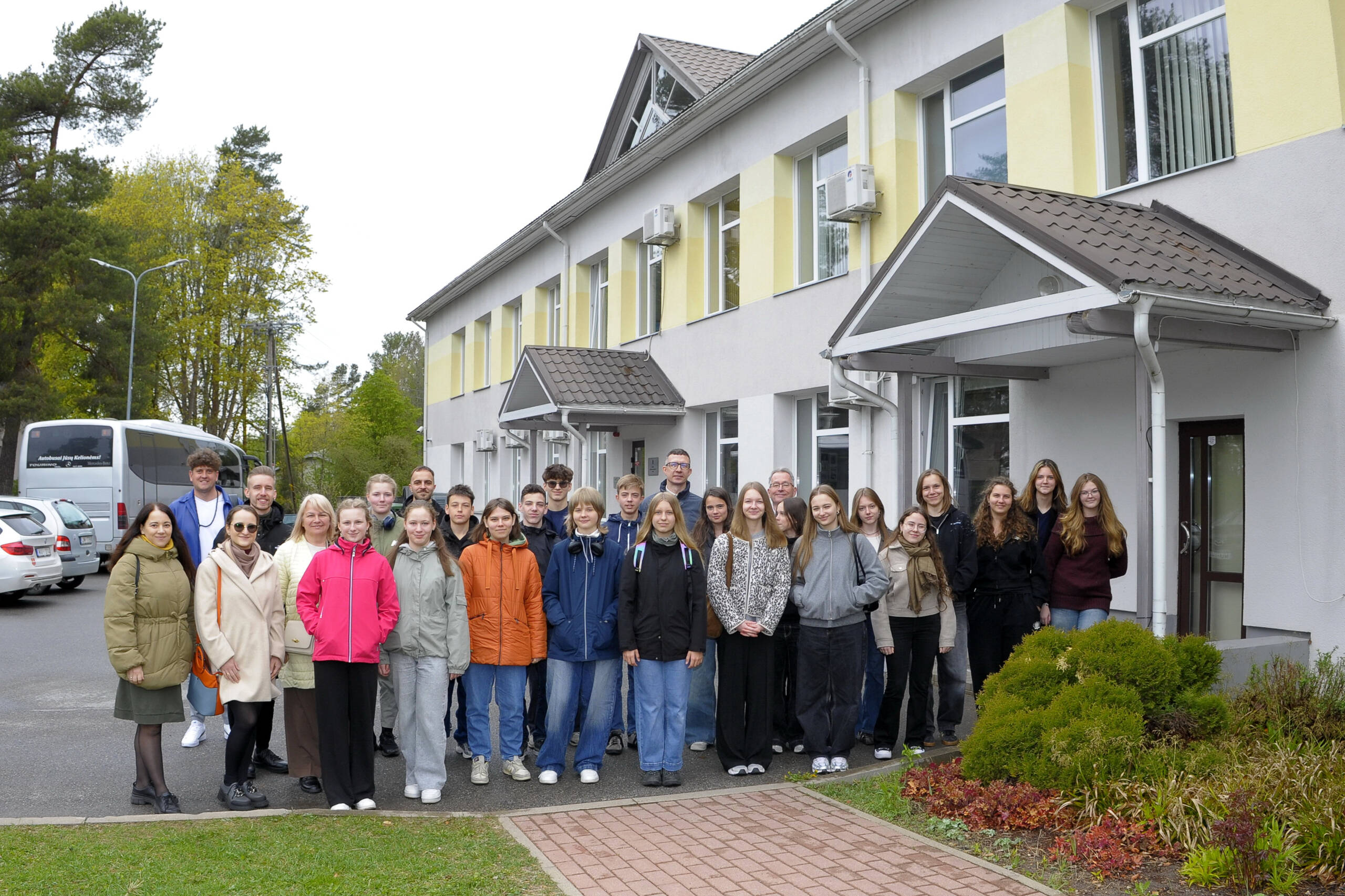
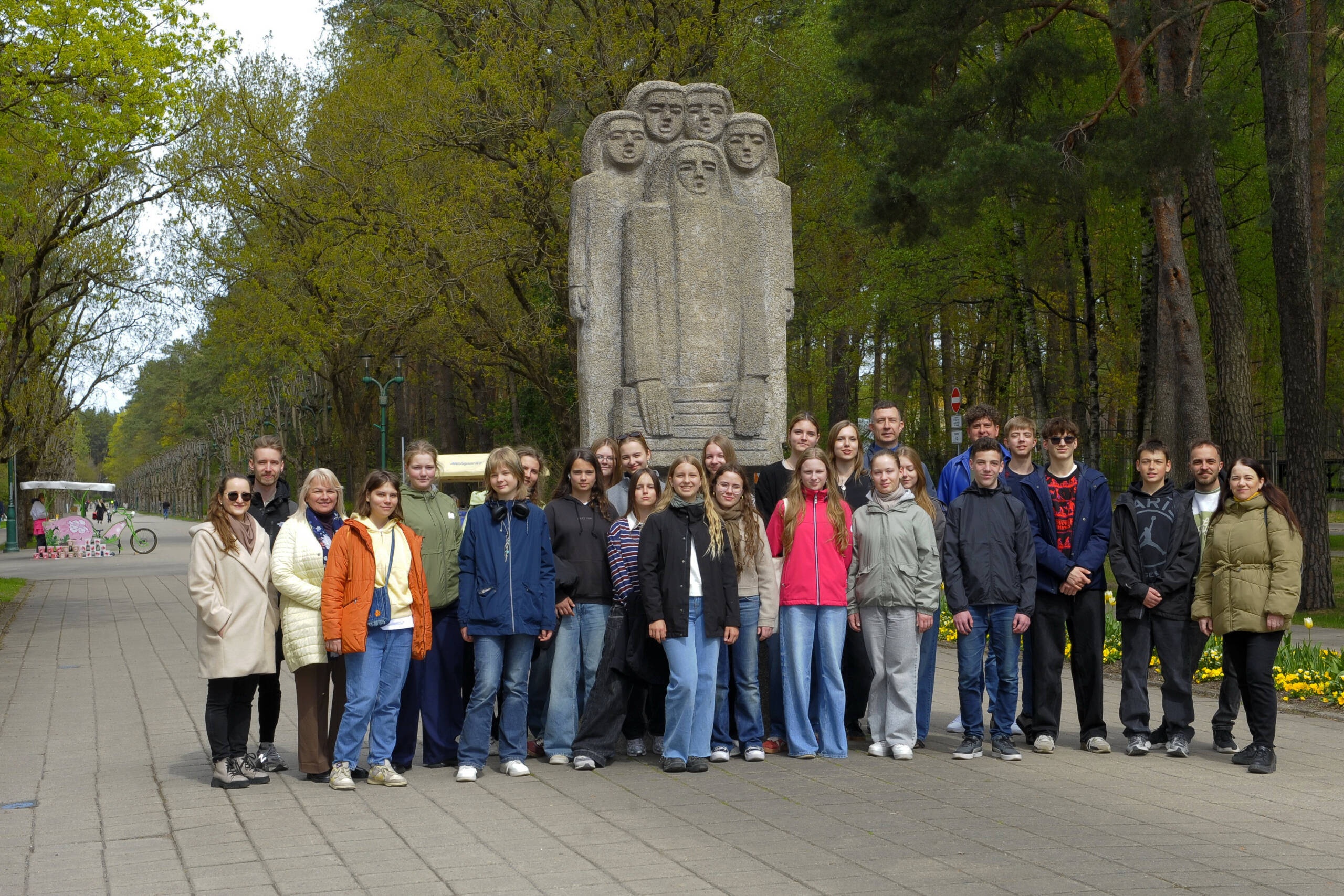
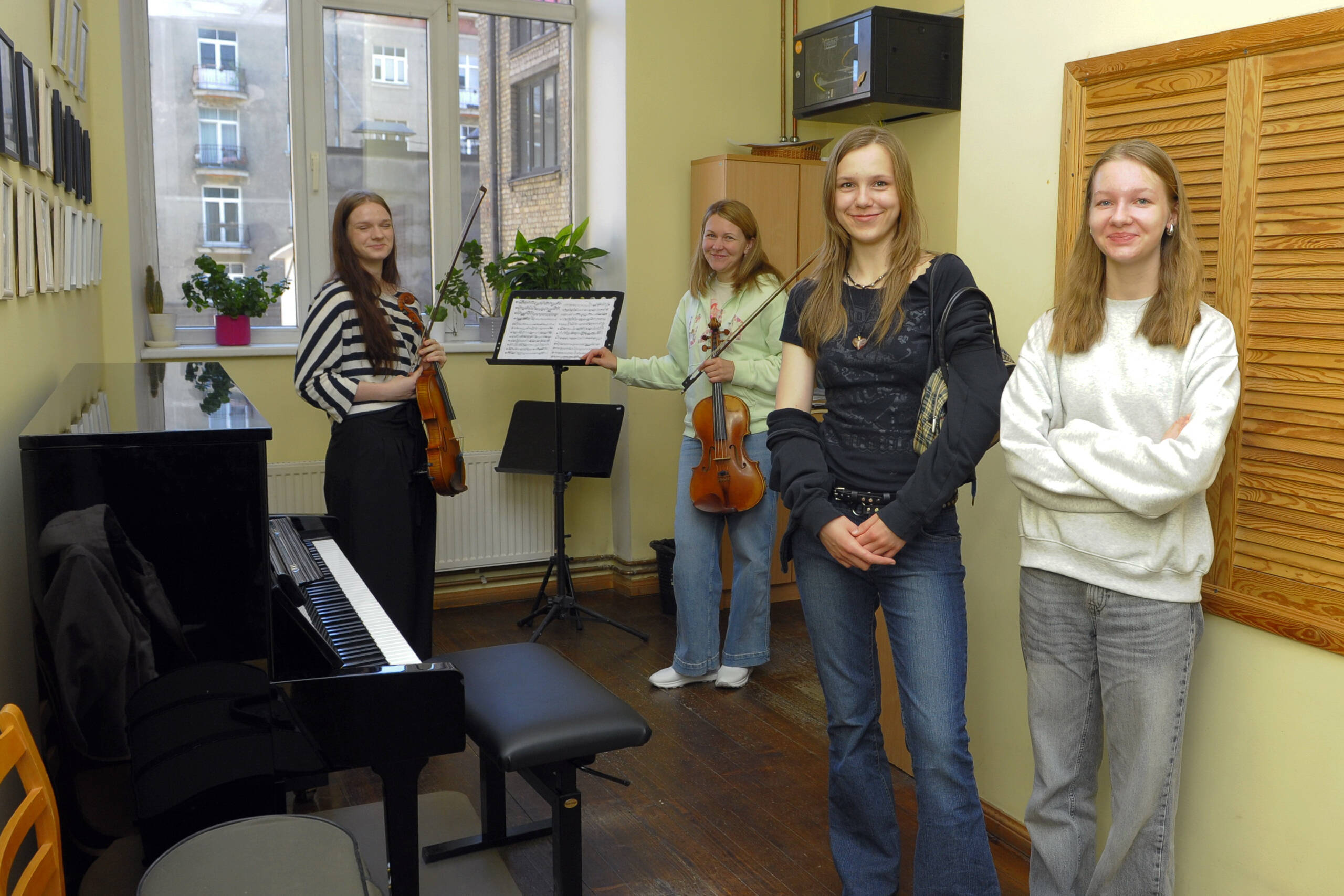
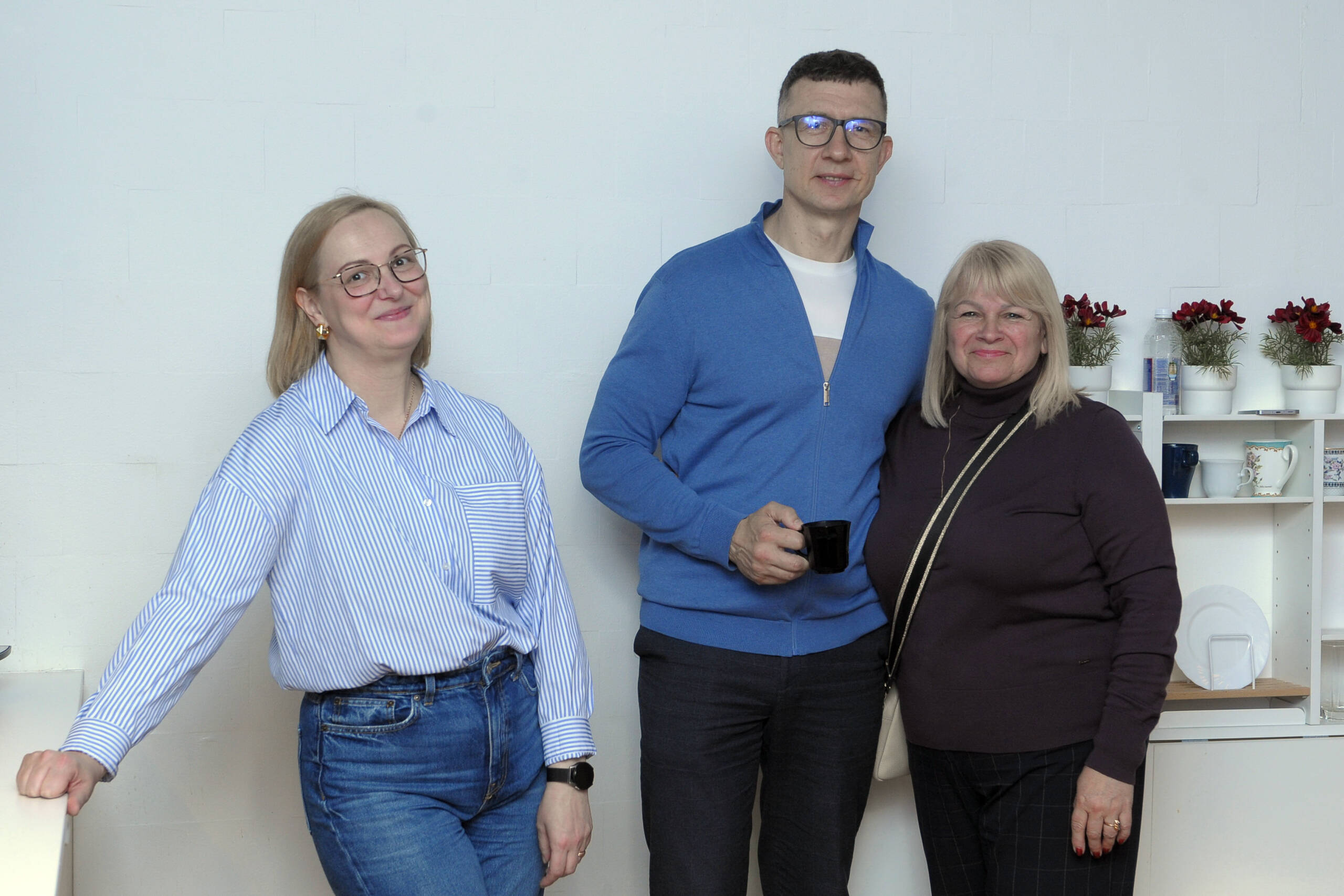
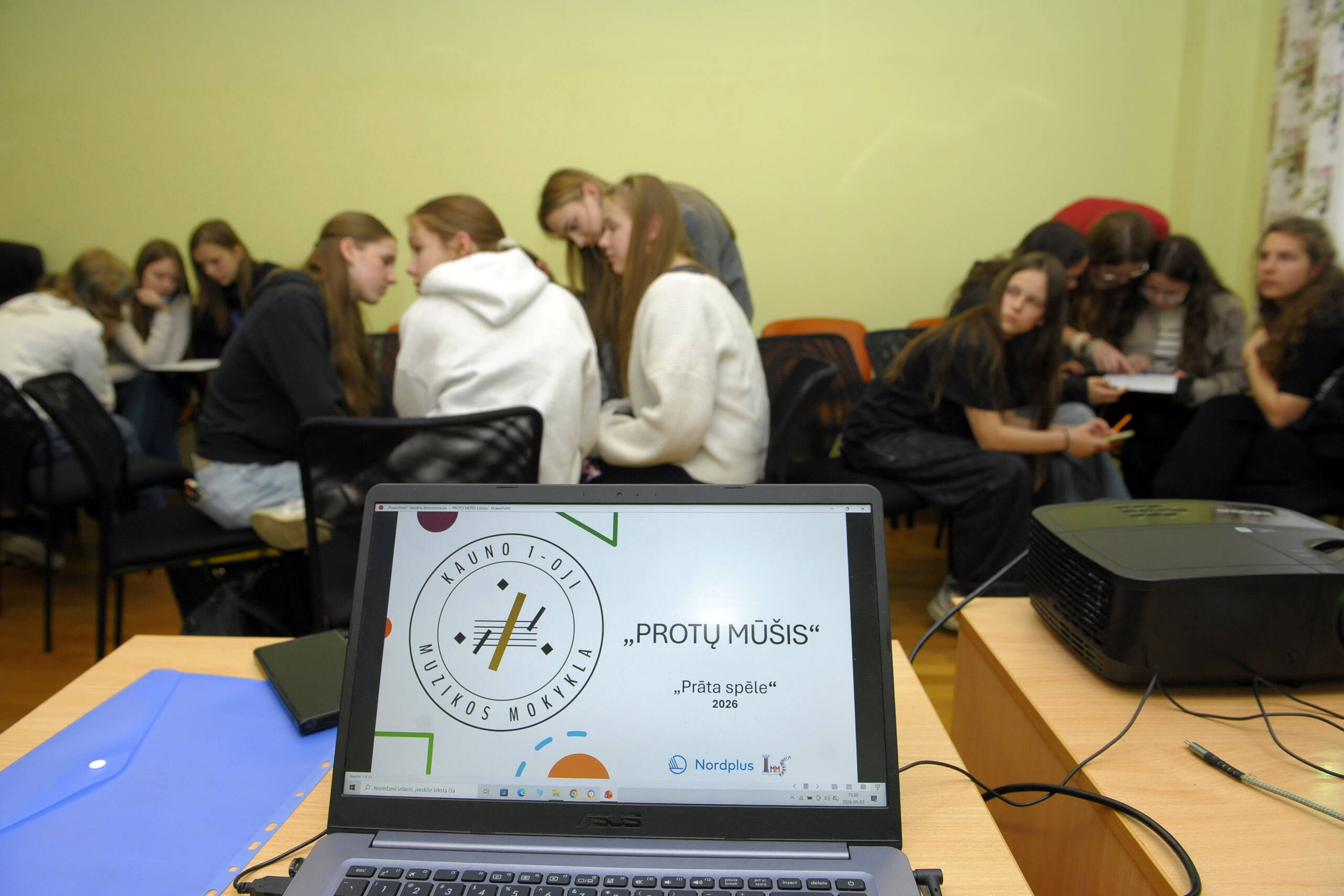
On 7–9 May 2026, Kaunas 1st Music School implemented the Nordplus Junior project “From Notes to Narratives: An Interactive Study of Latvian Music” (project number NPJR-2025/10329), carried out under the Nordic-Baltic educational cooperation programme. The project was implemented in cooperation with Ikšķile School of Music and Art in Latvia. Students, teachers and administrative staff of Kaunas 1st Music School took part in the project.

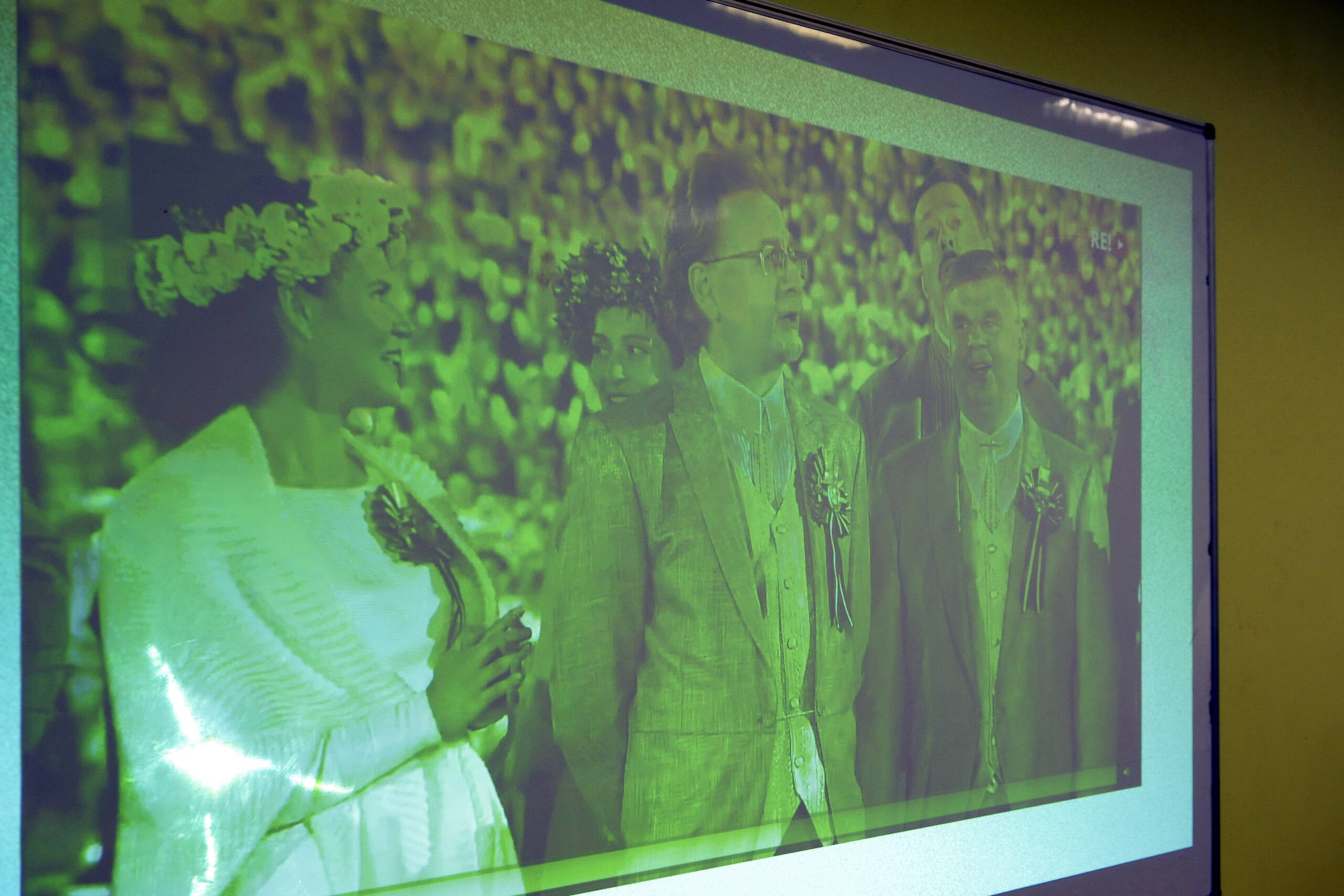
The three-day educational programme in Ikšķile and Riga was designed to explore Latvian musical culture through practical activities. During the project, students deepened their knowledge of Latvian folk singing traditions, choral culture, the work of composers, the music education system, the phenomenon of the Song Celebration tradition and the broader musical context of the Baltic region.
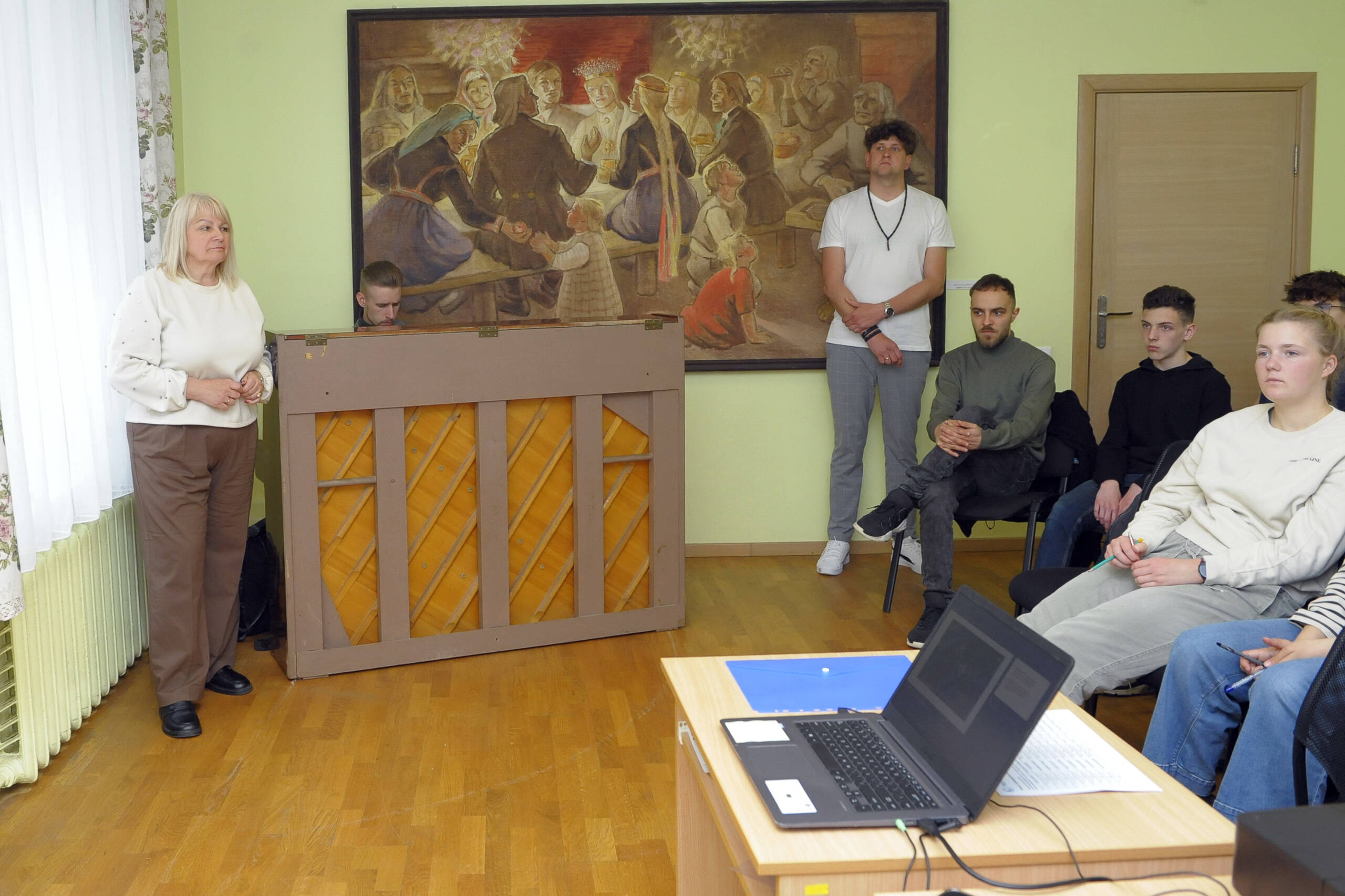
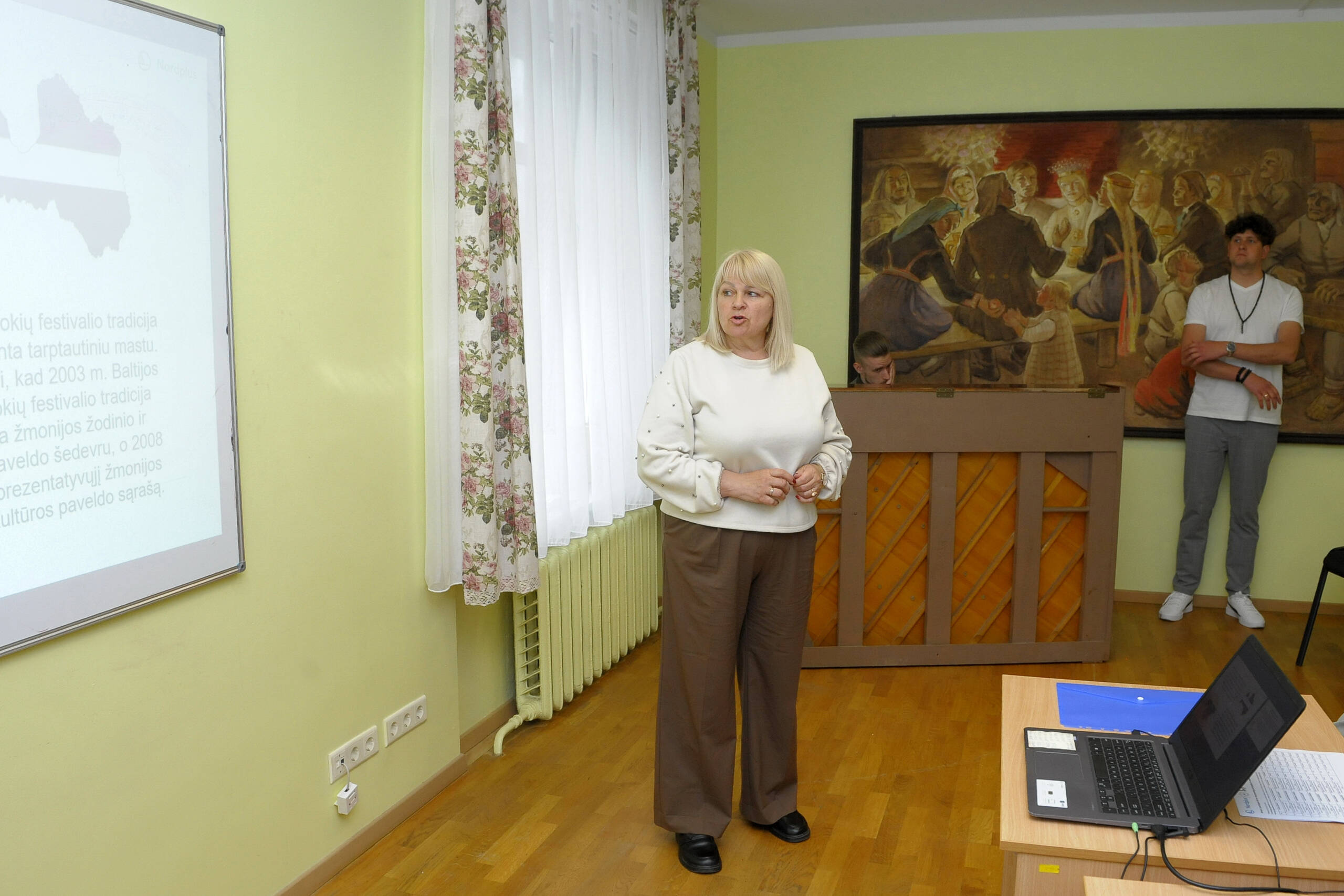
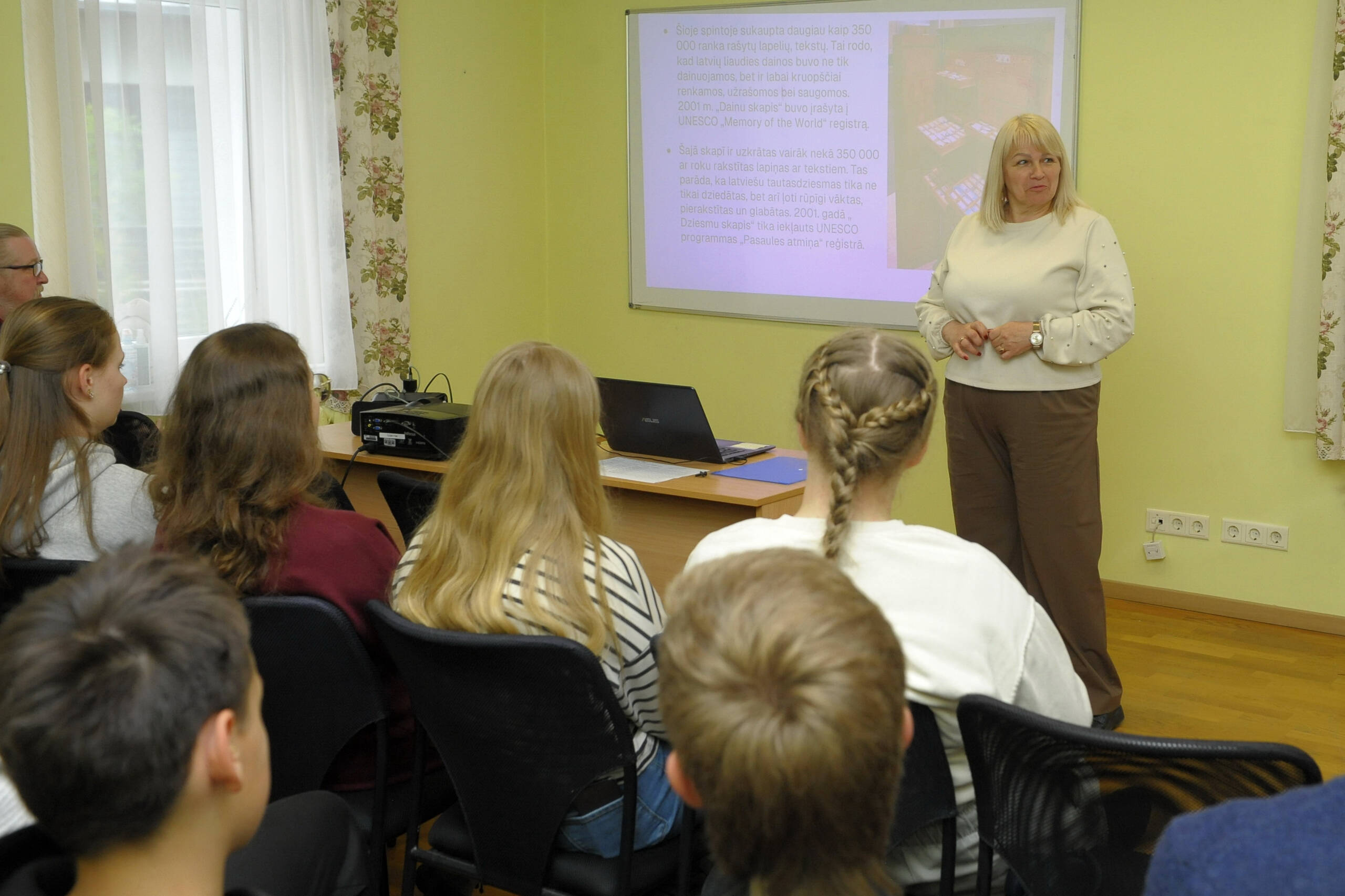
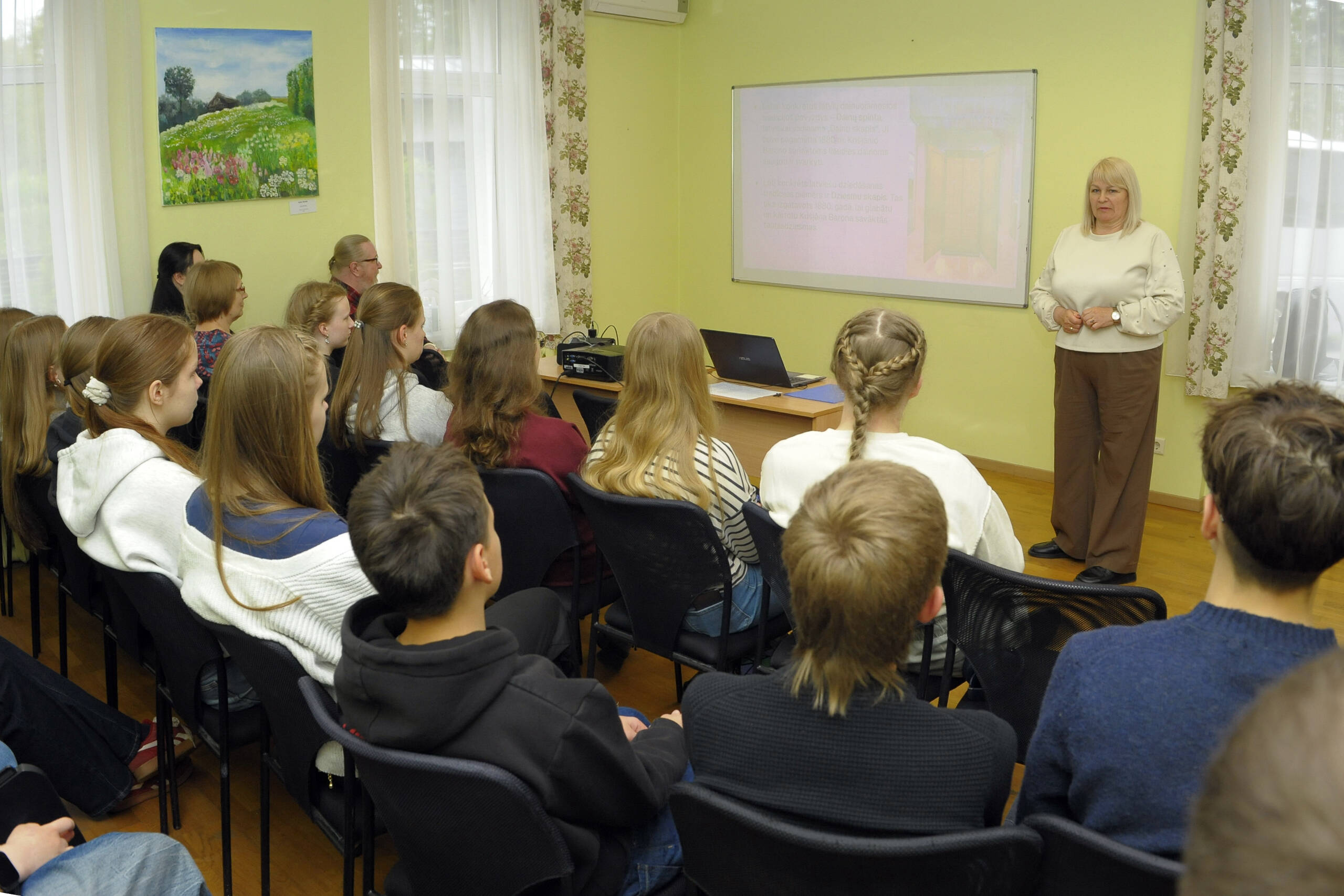
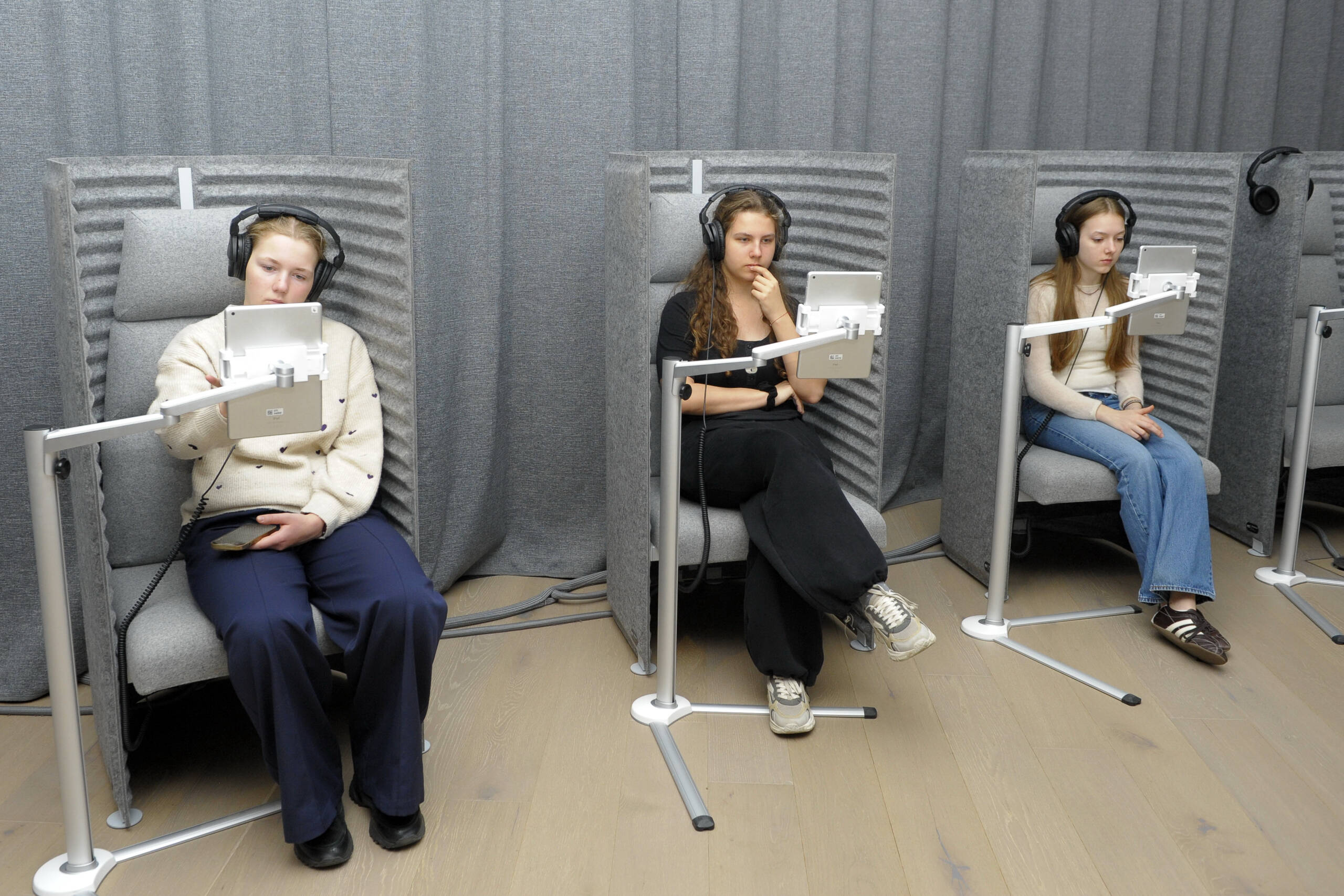
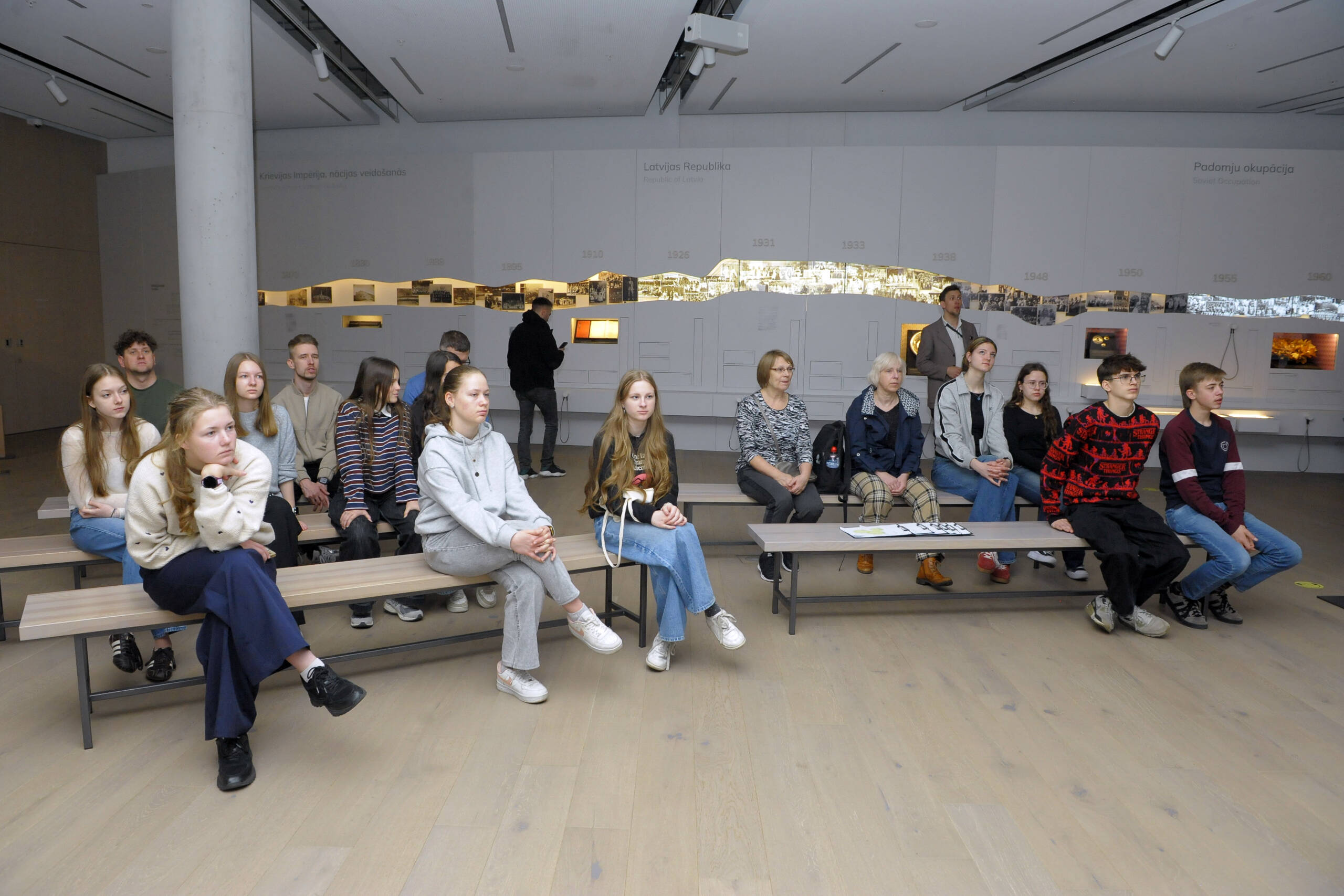
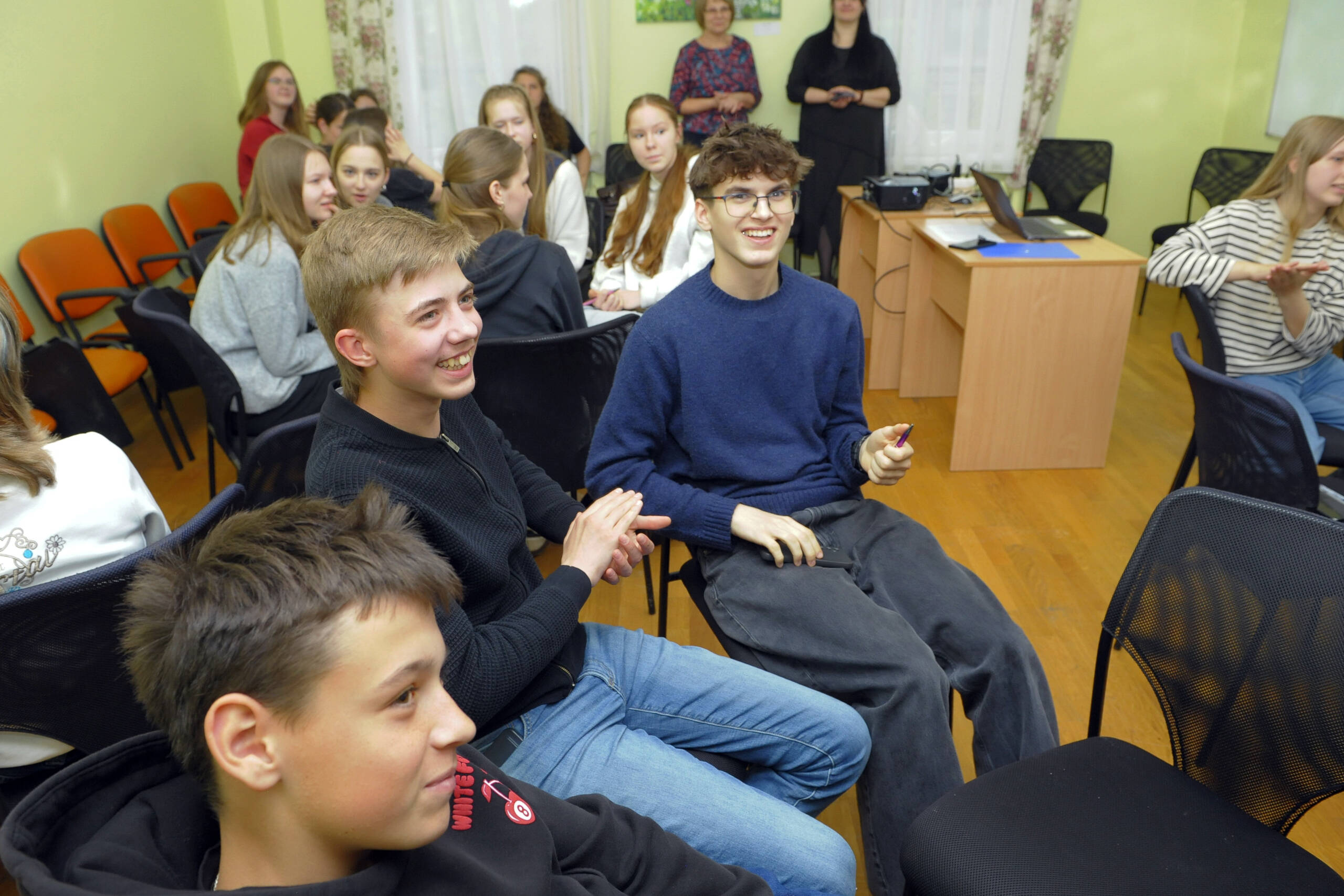
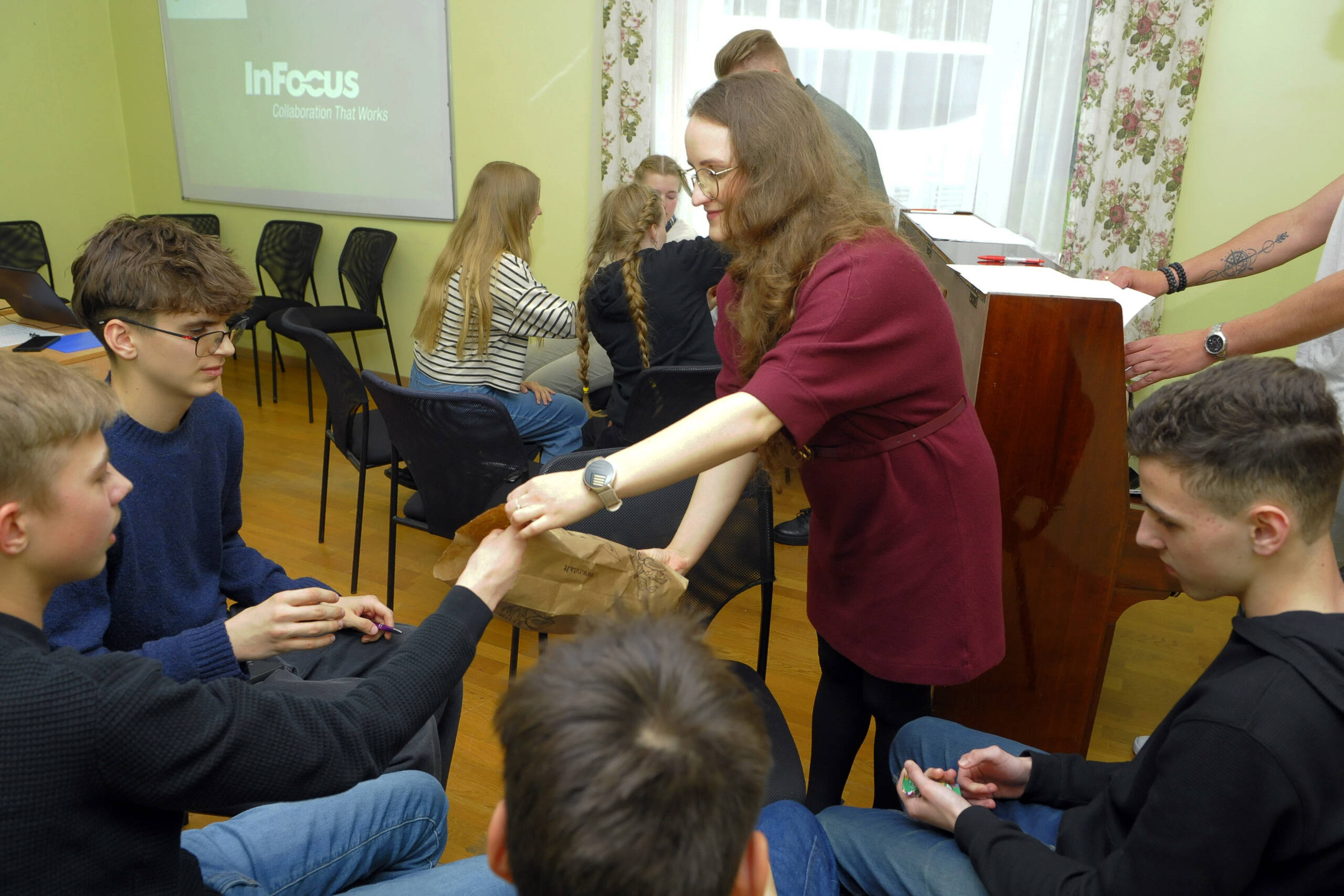
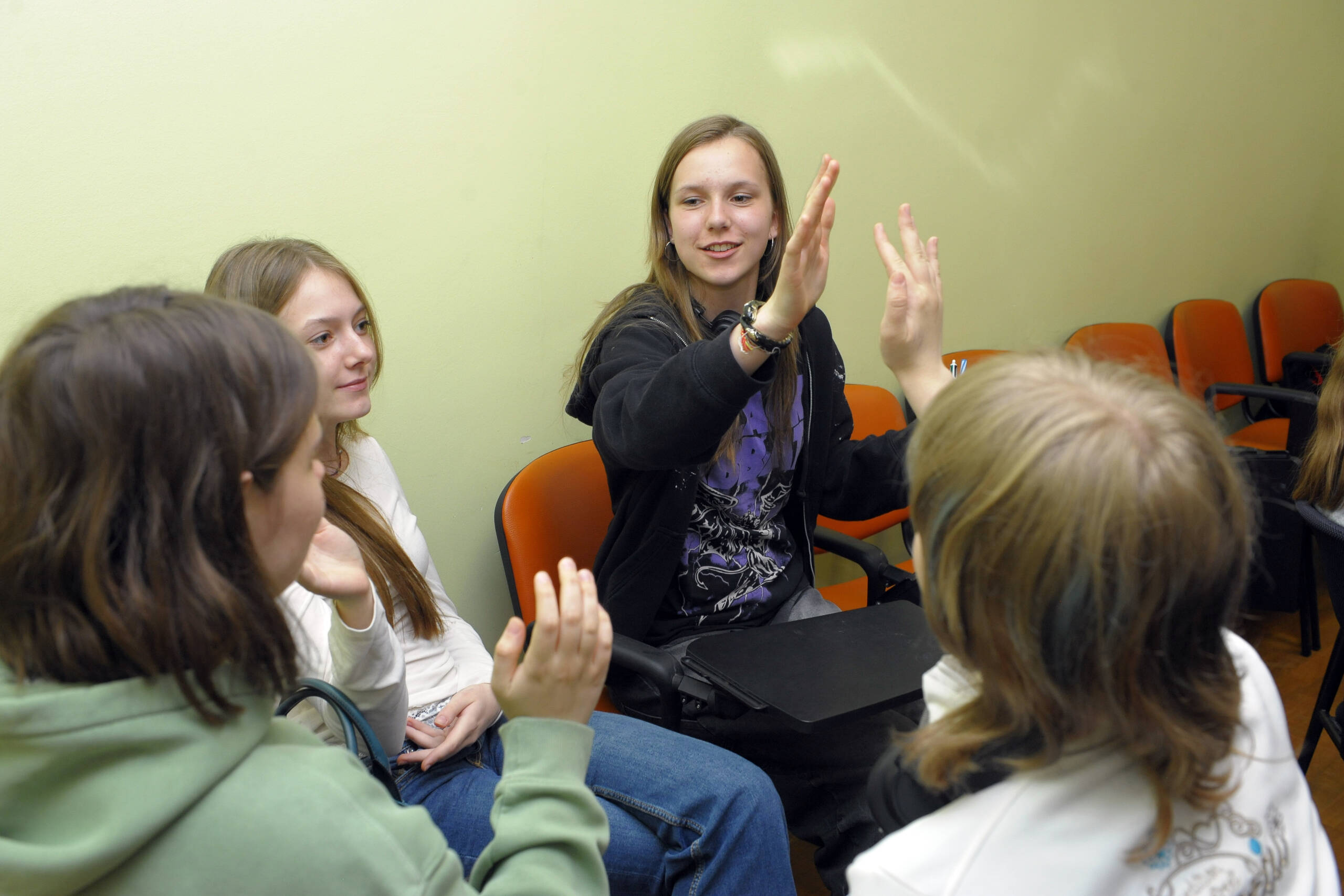
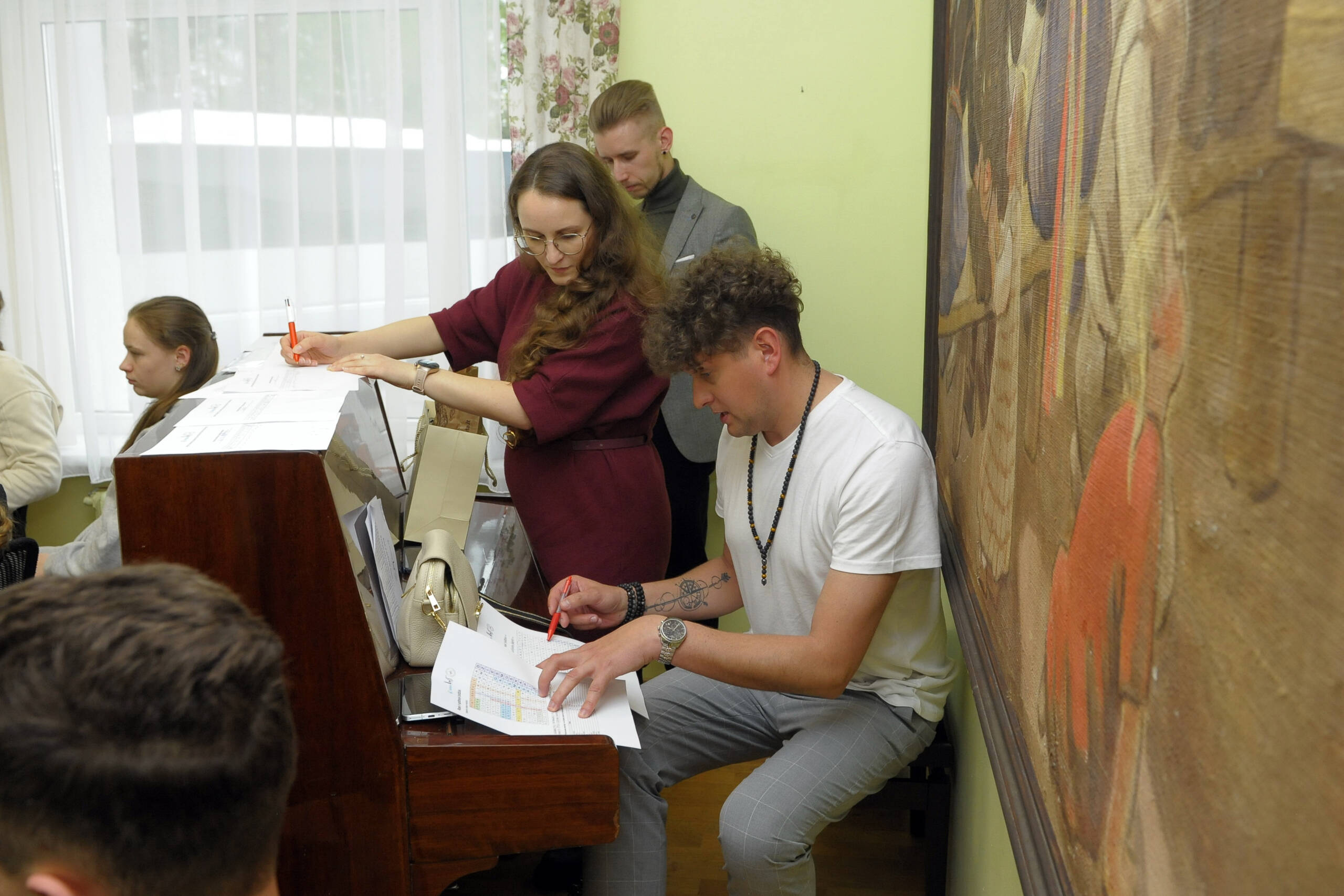
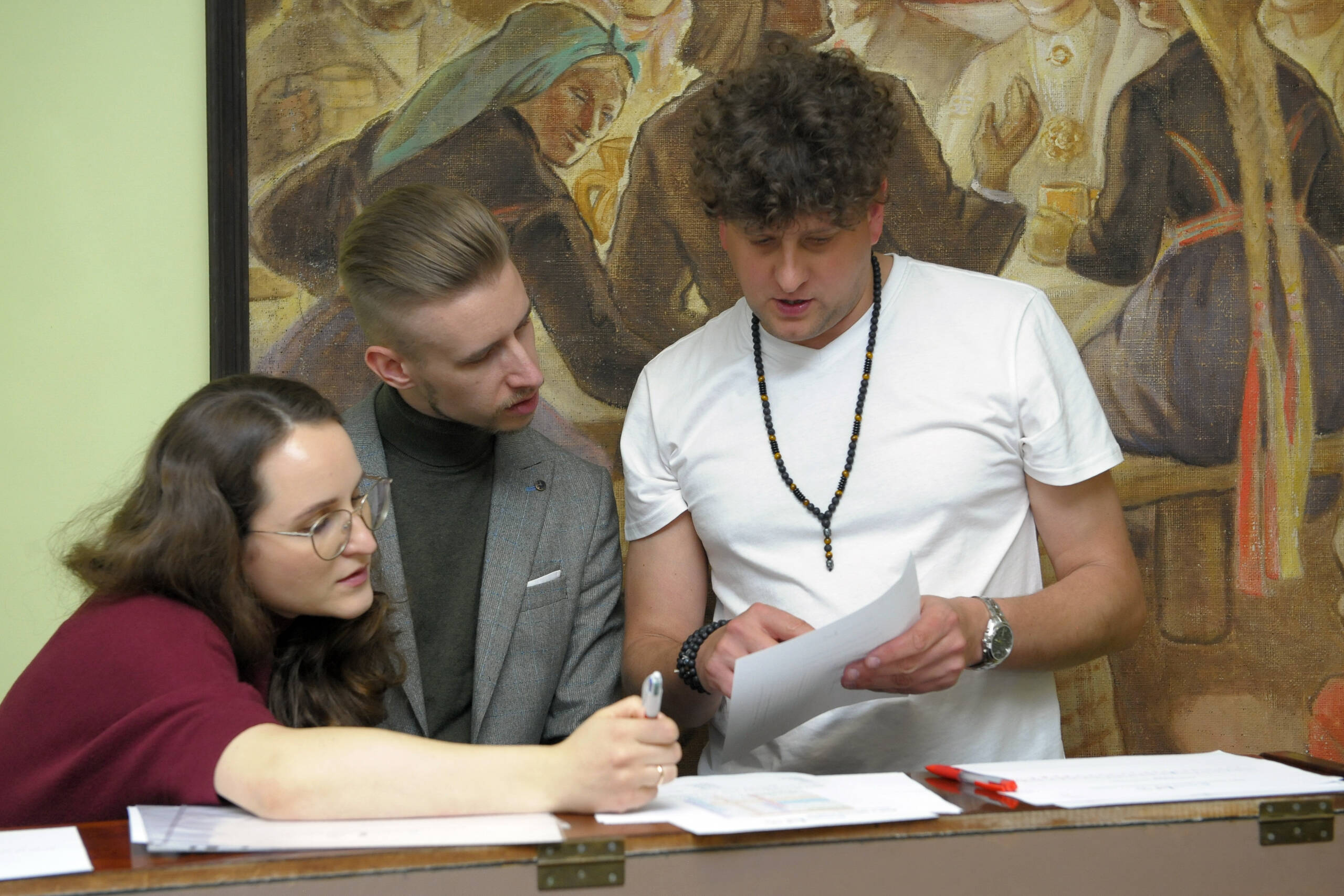
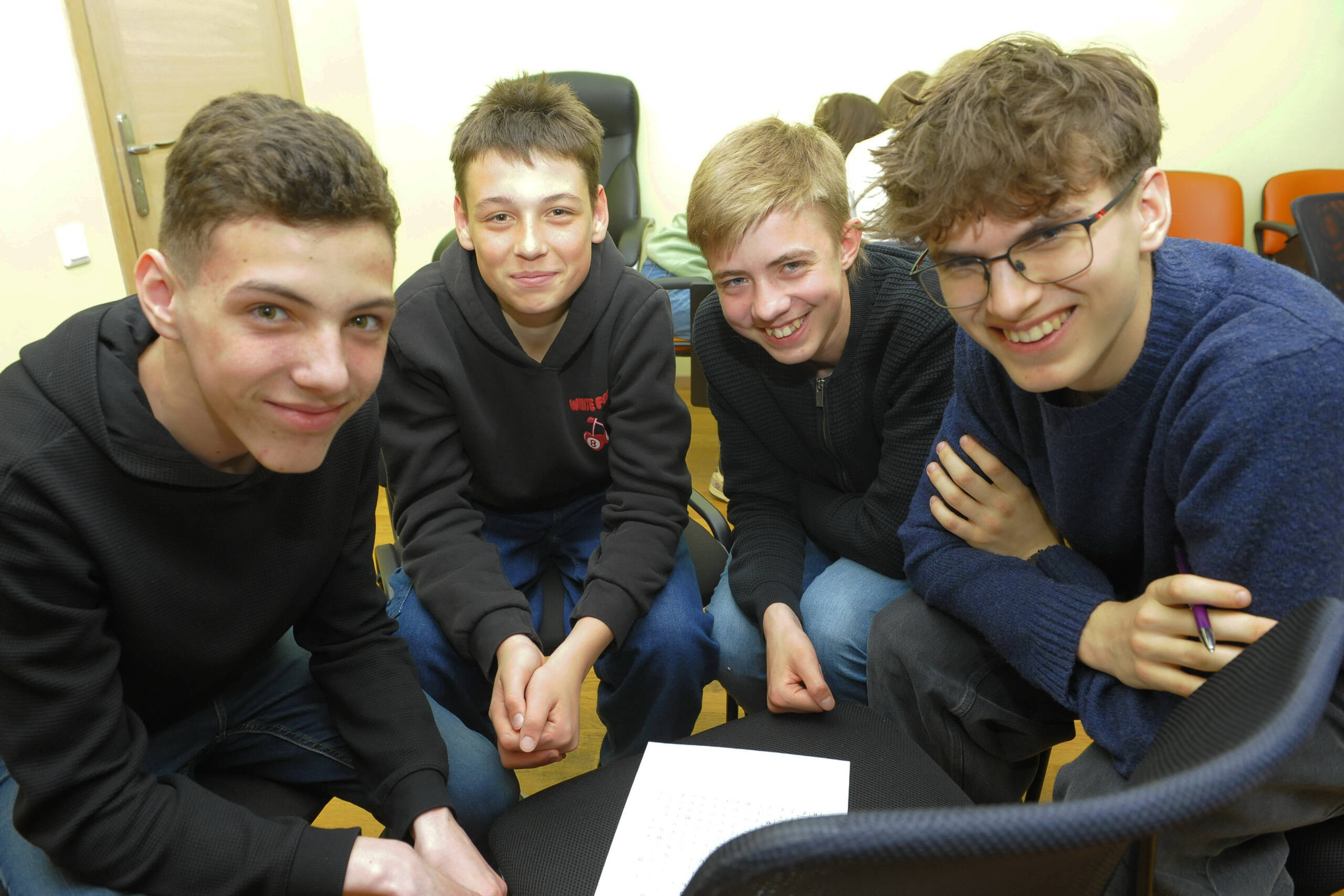
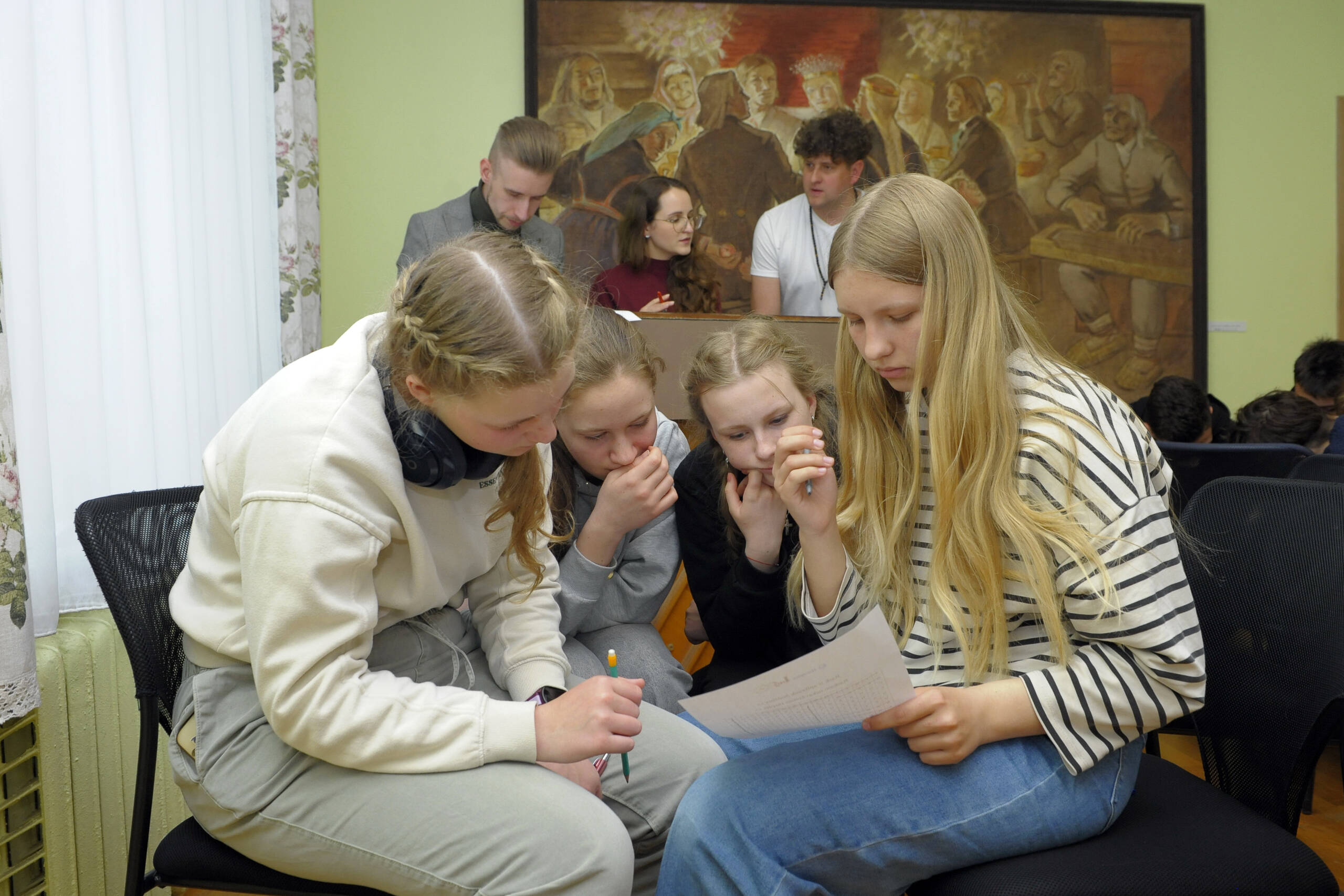
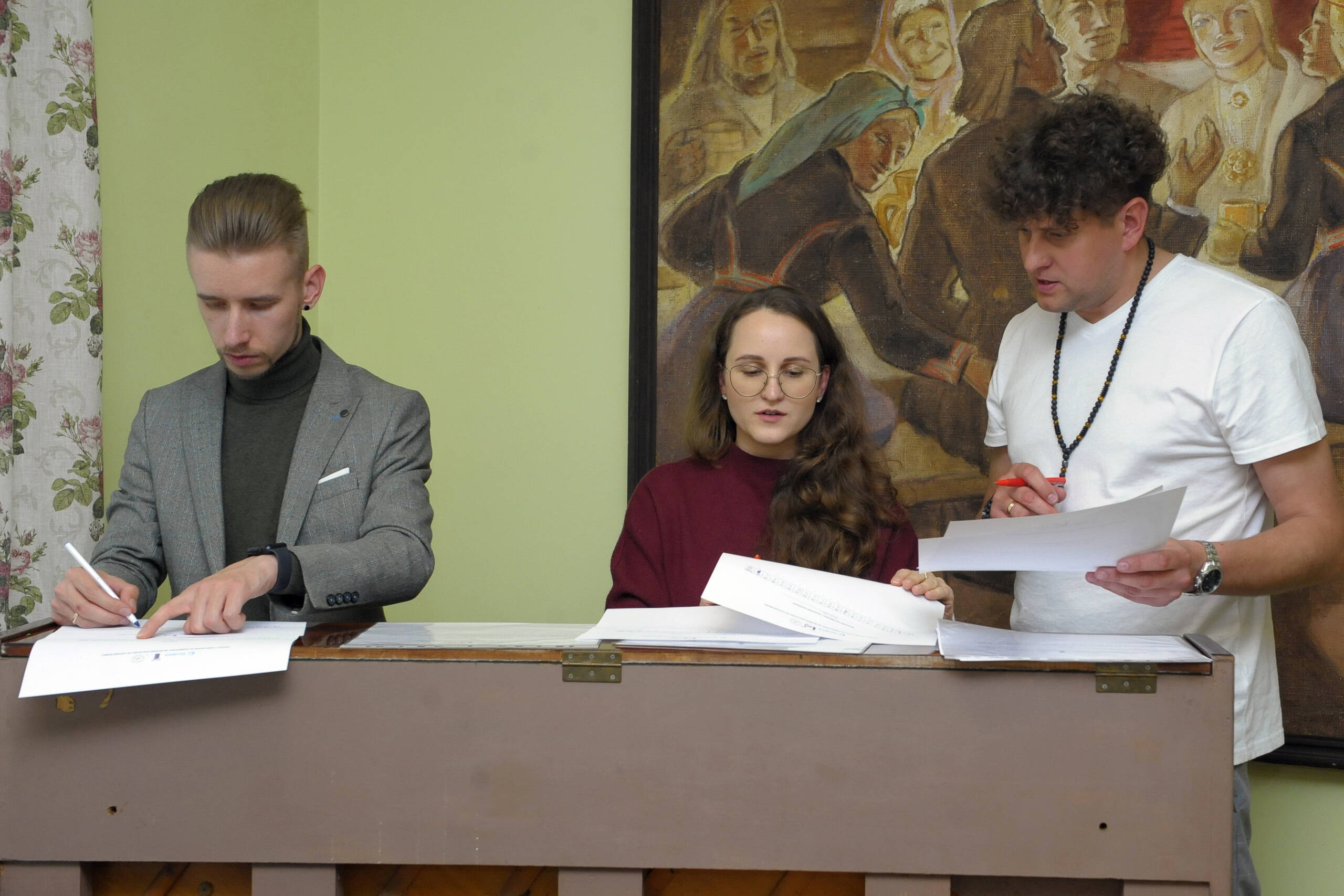
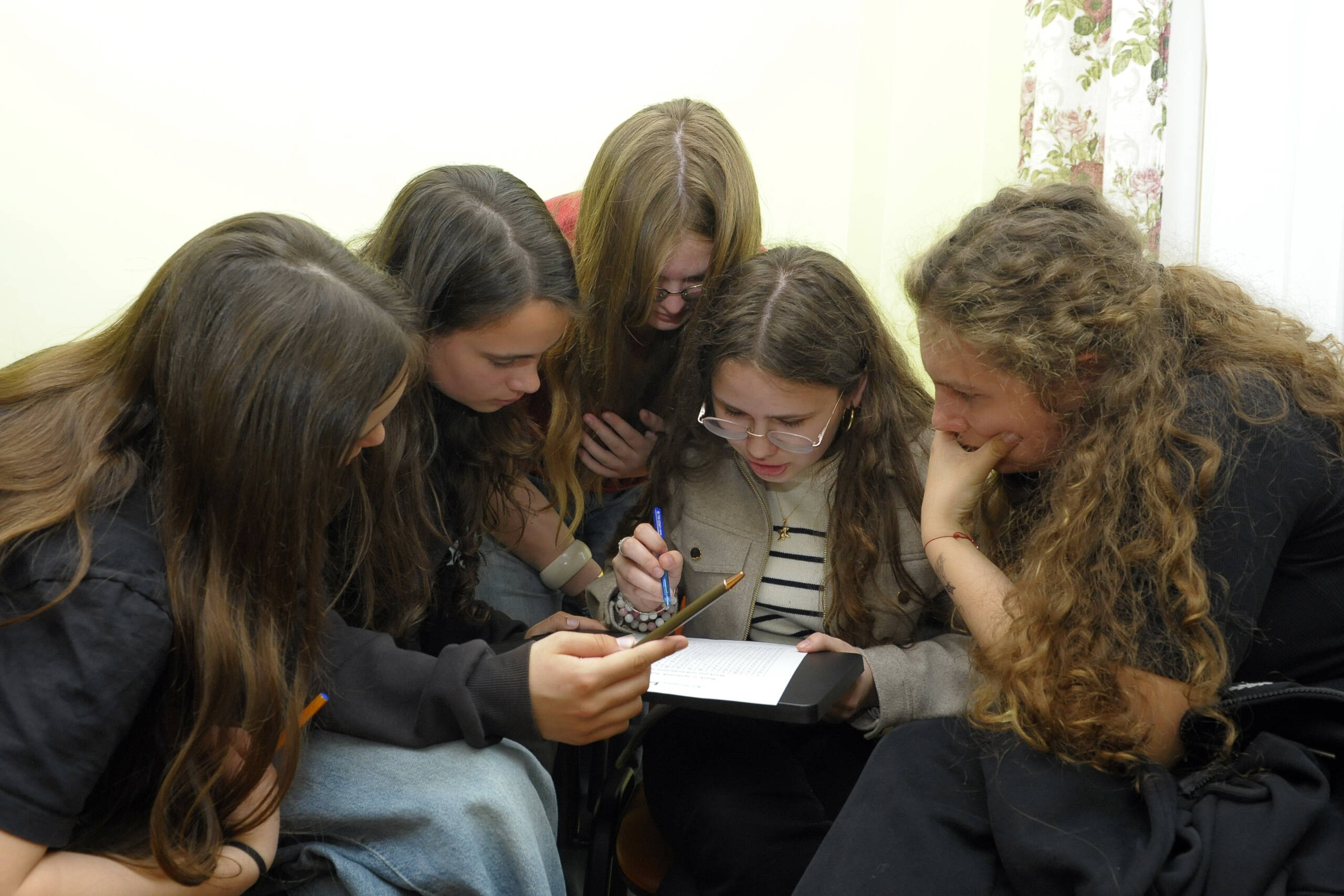
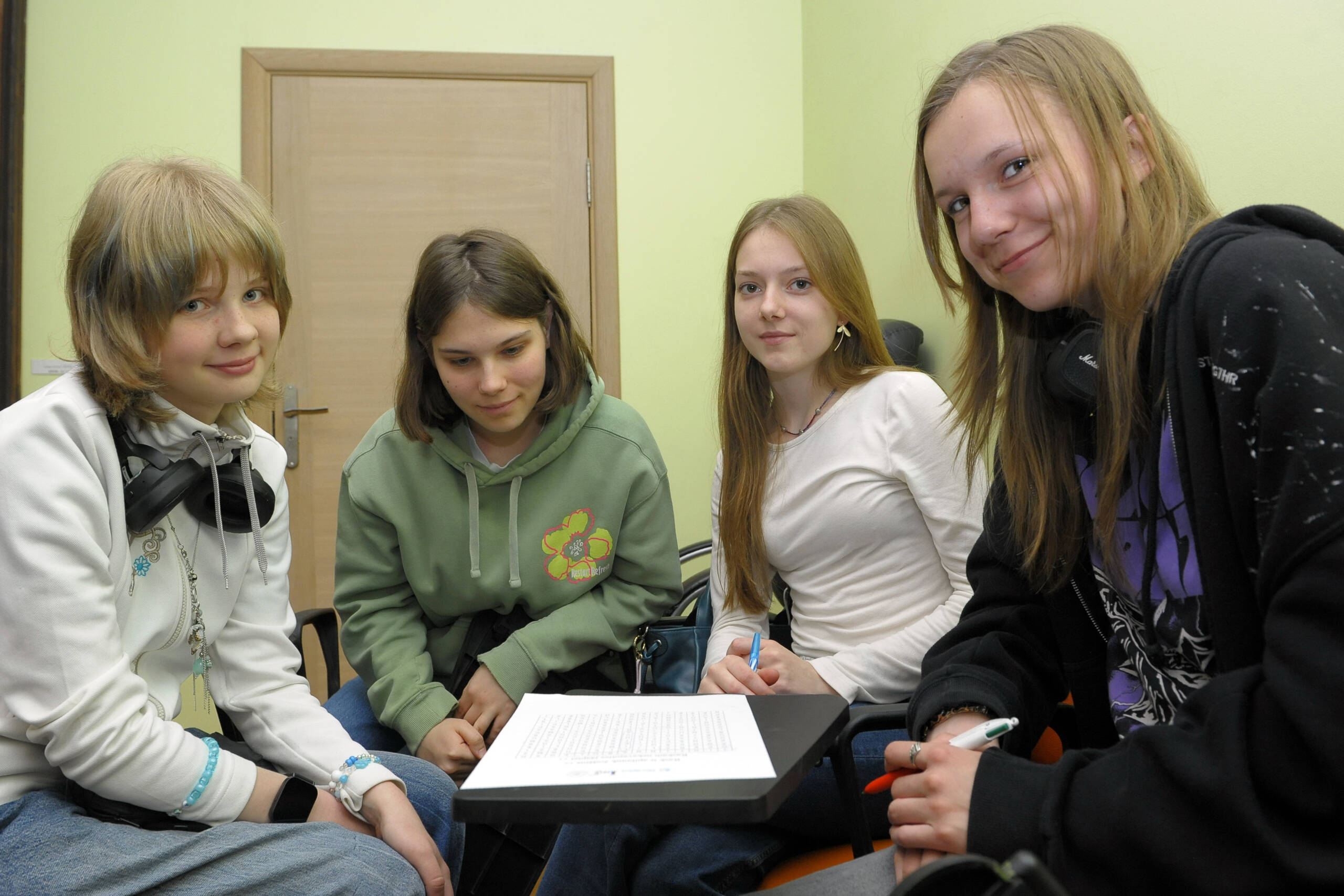
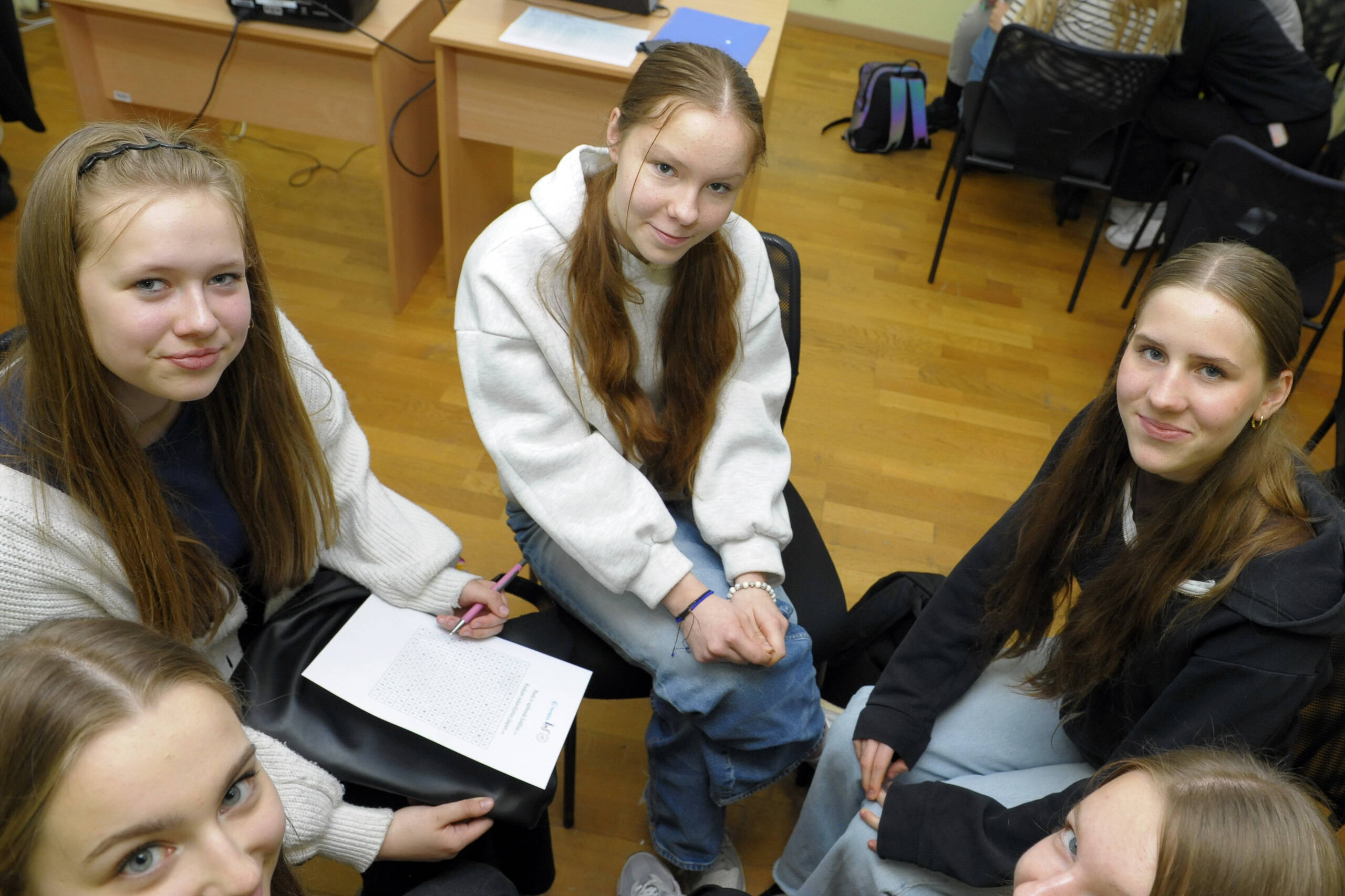
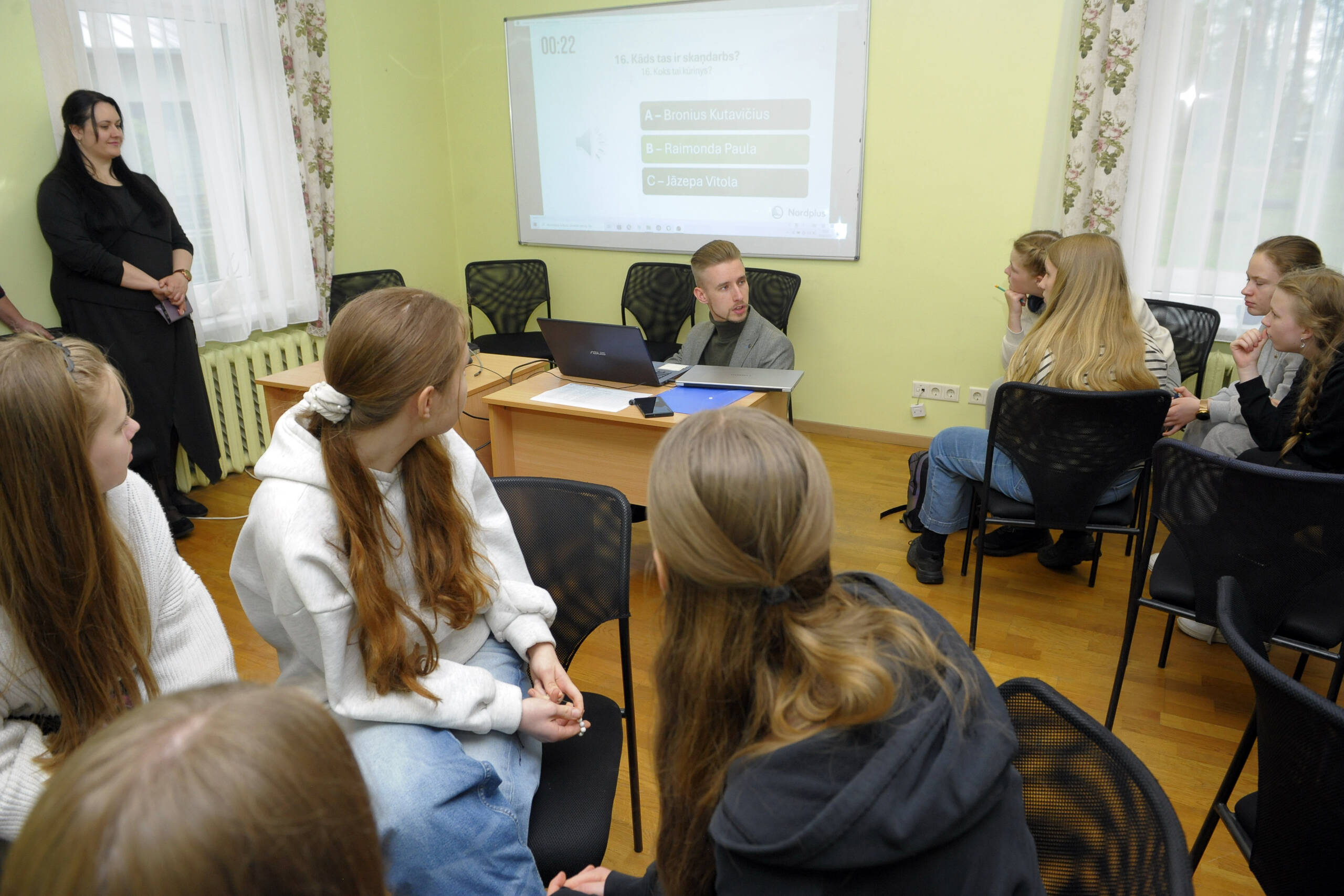
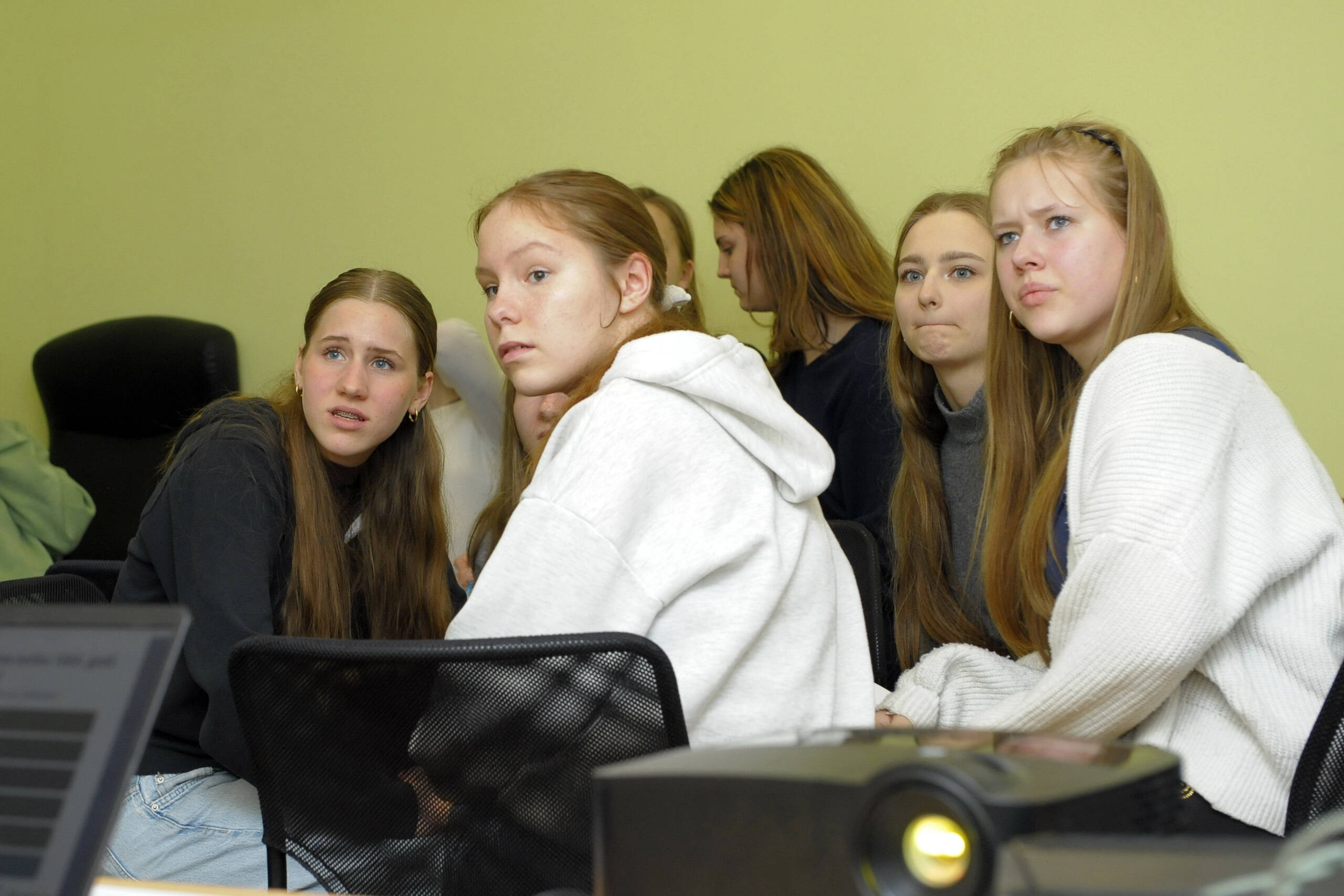
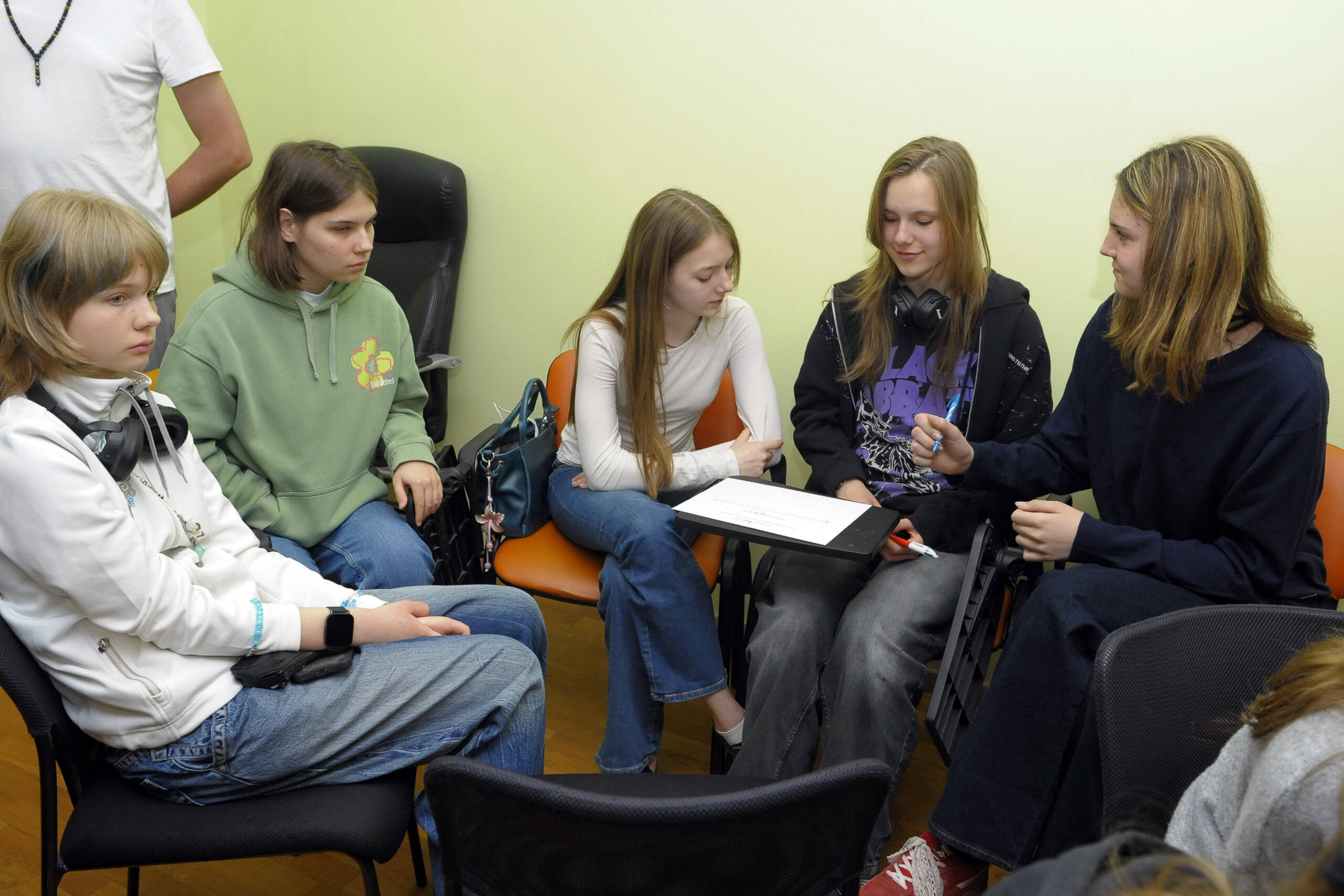
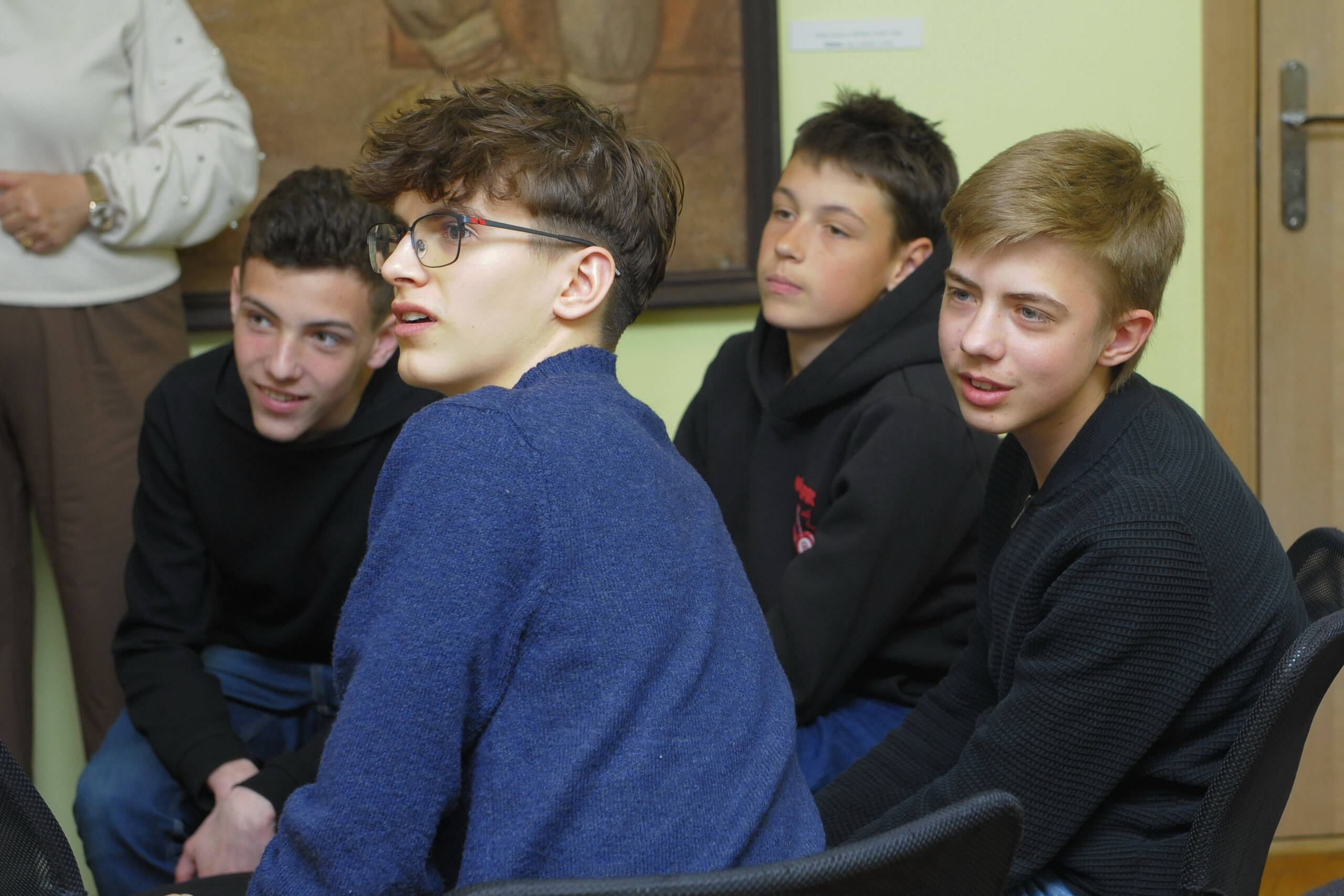
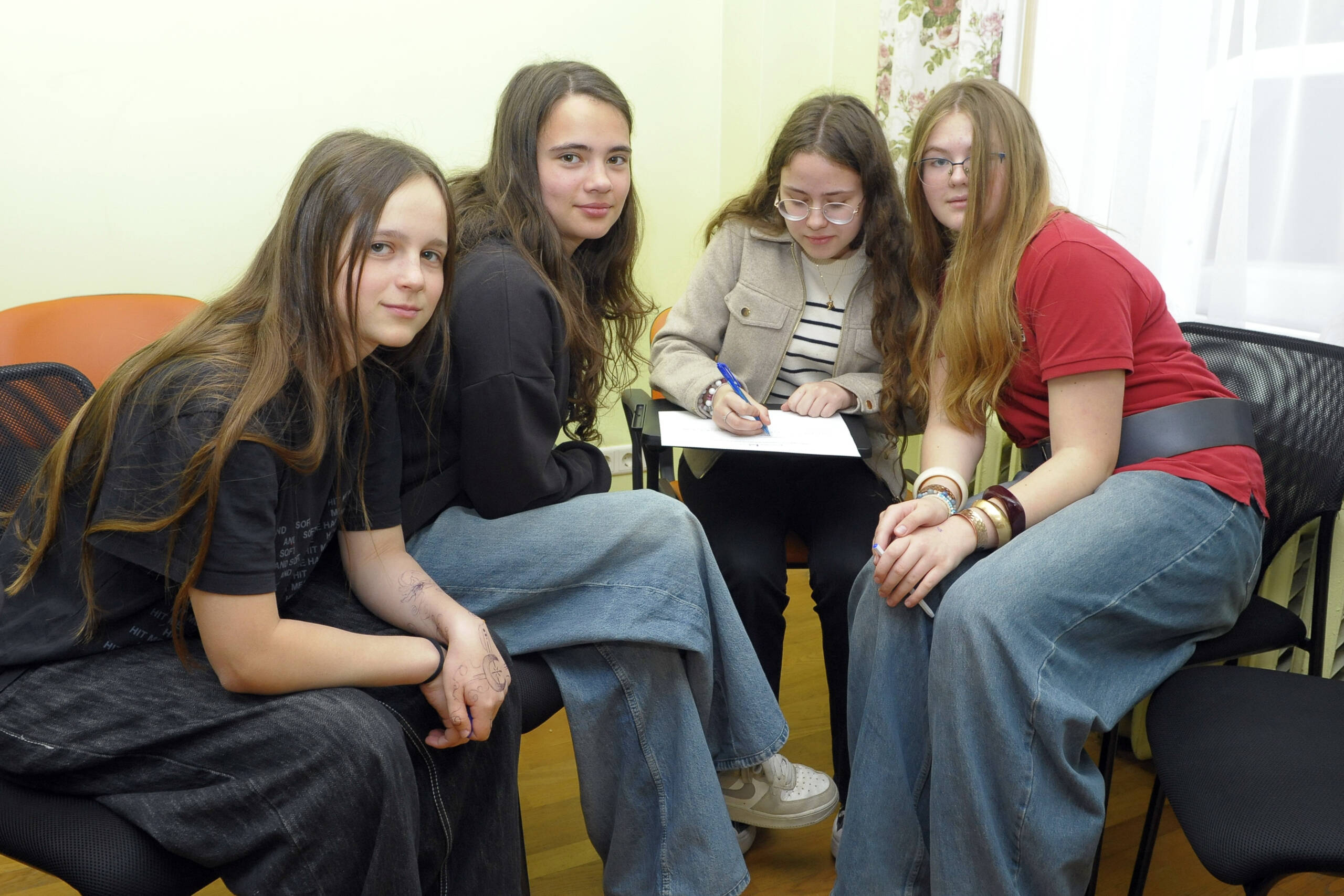
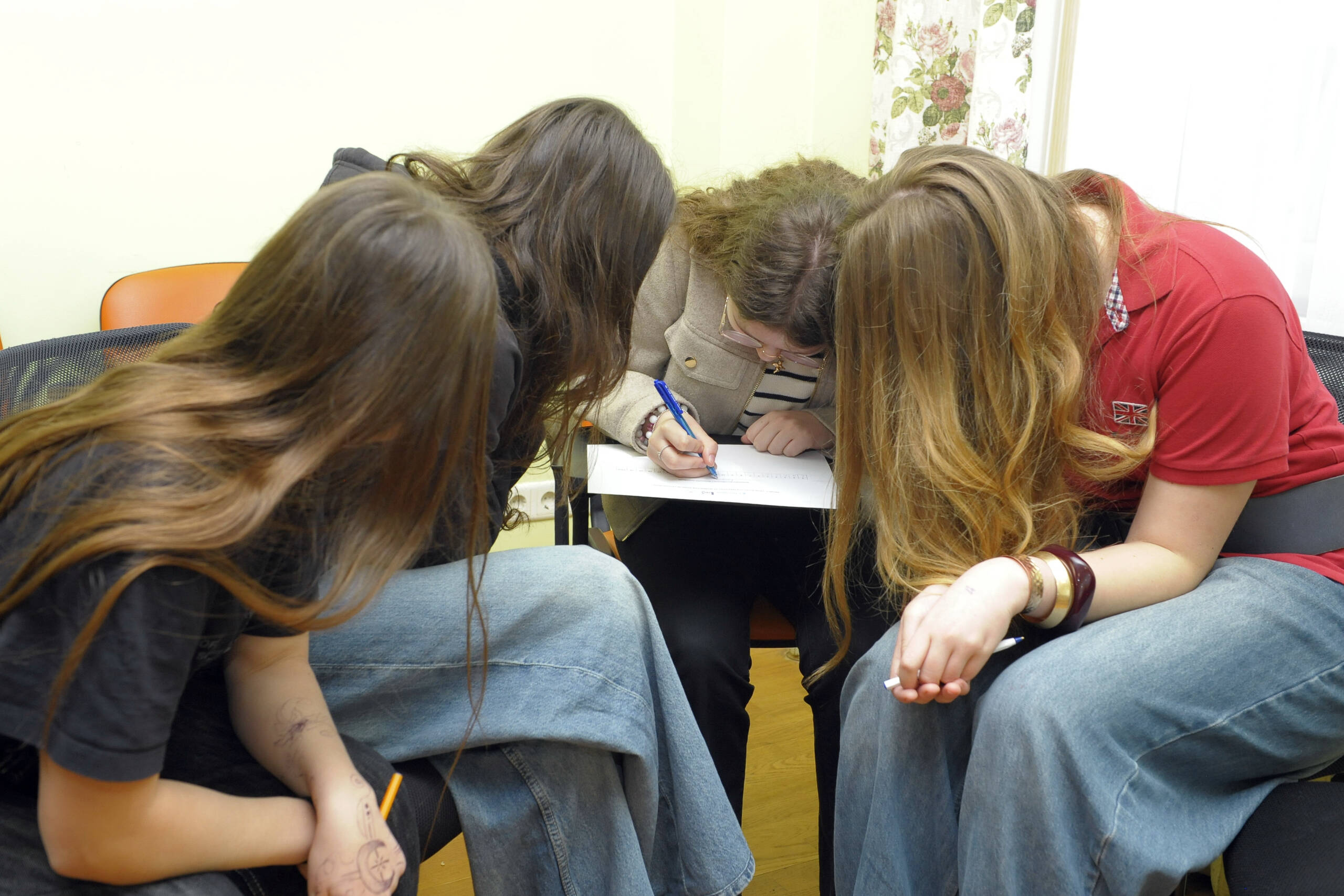
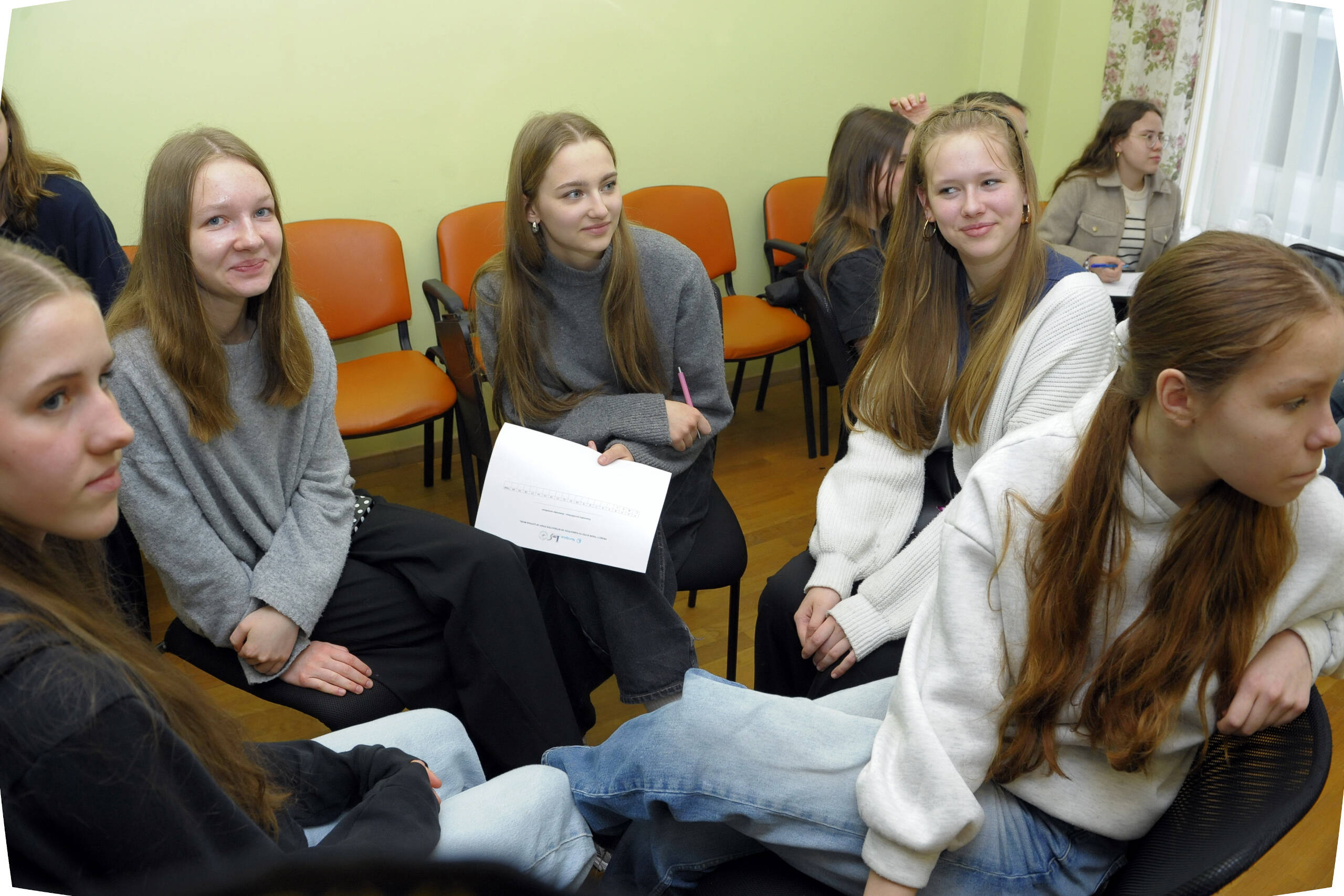
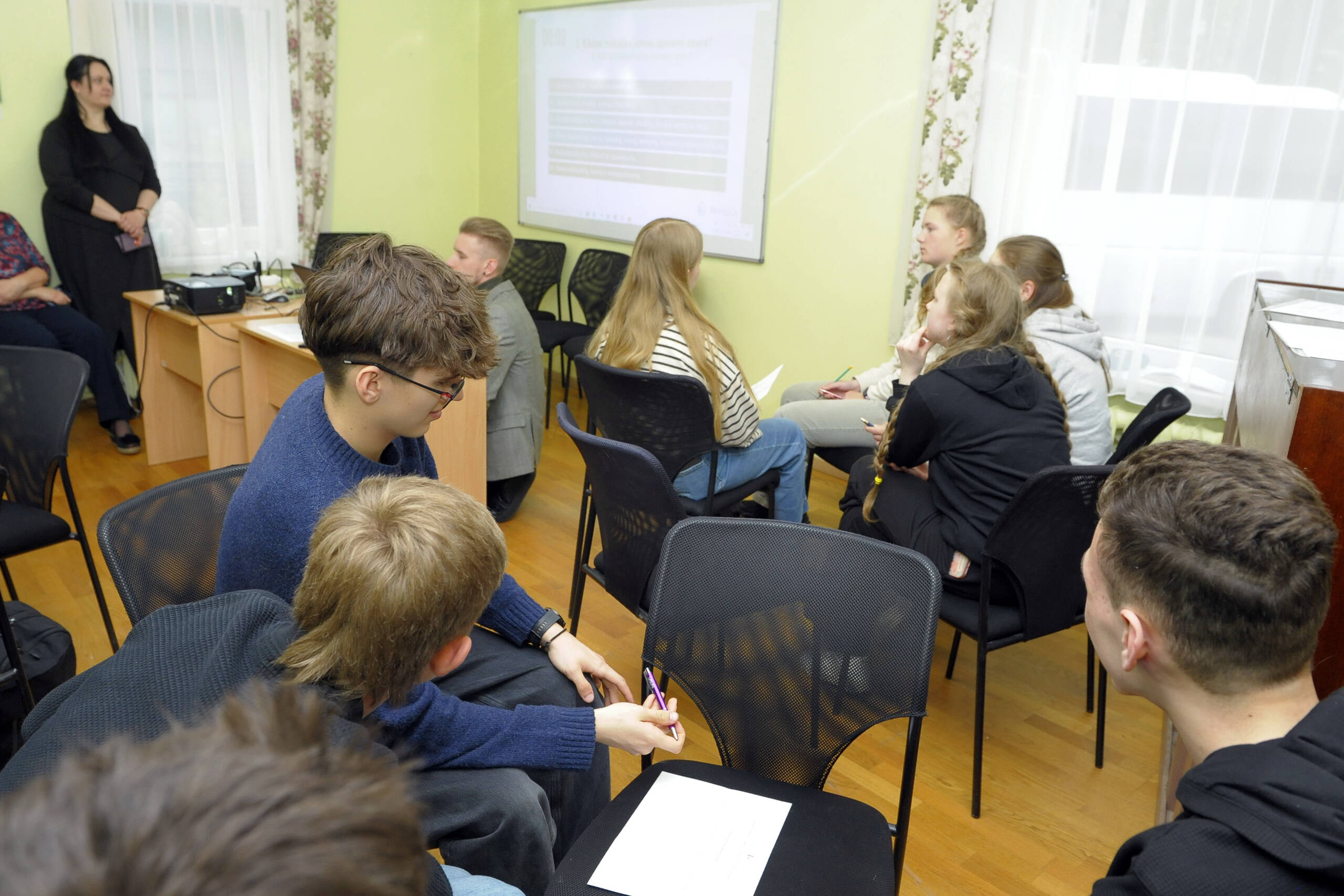
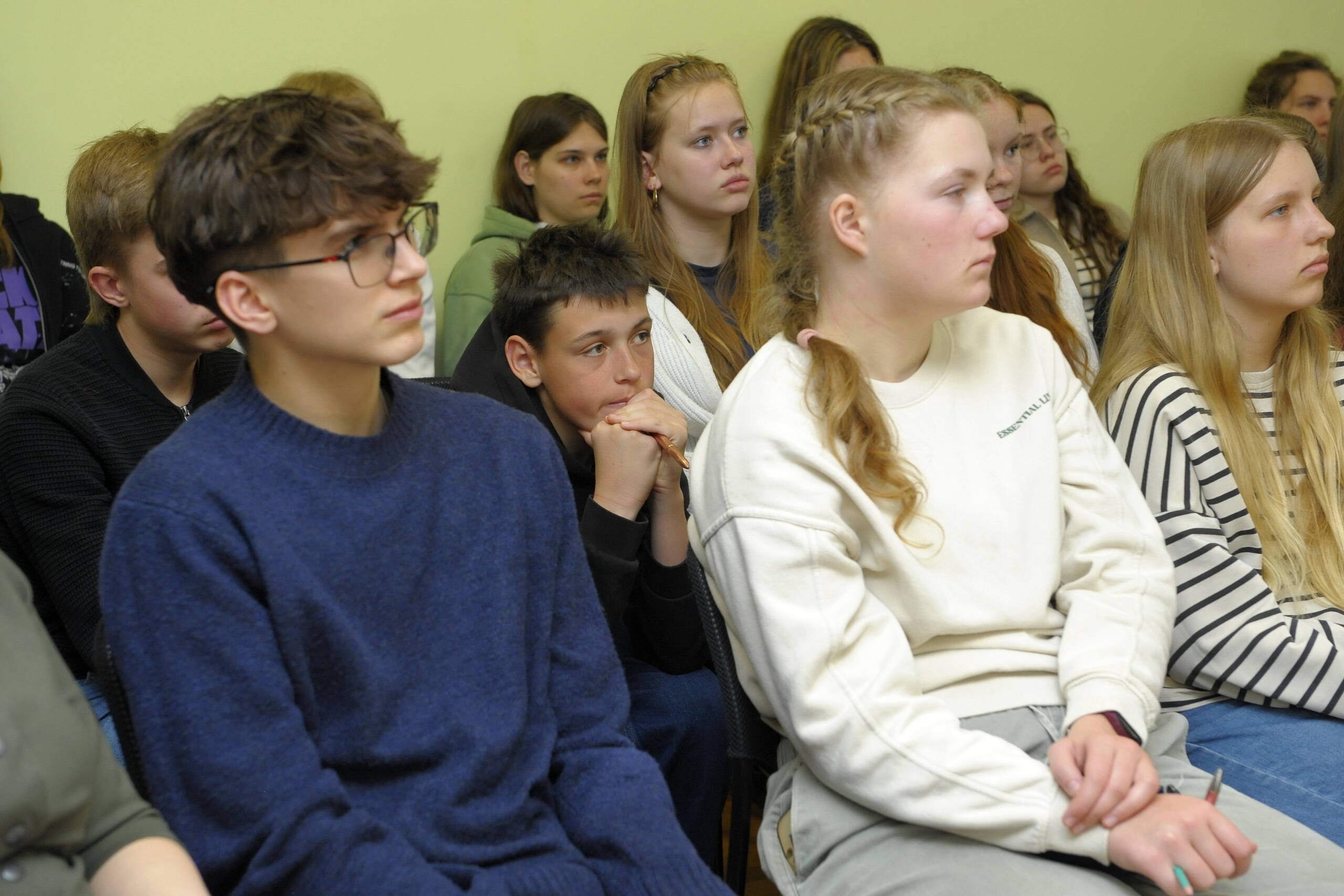
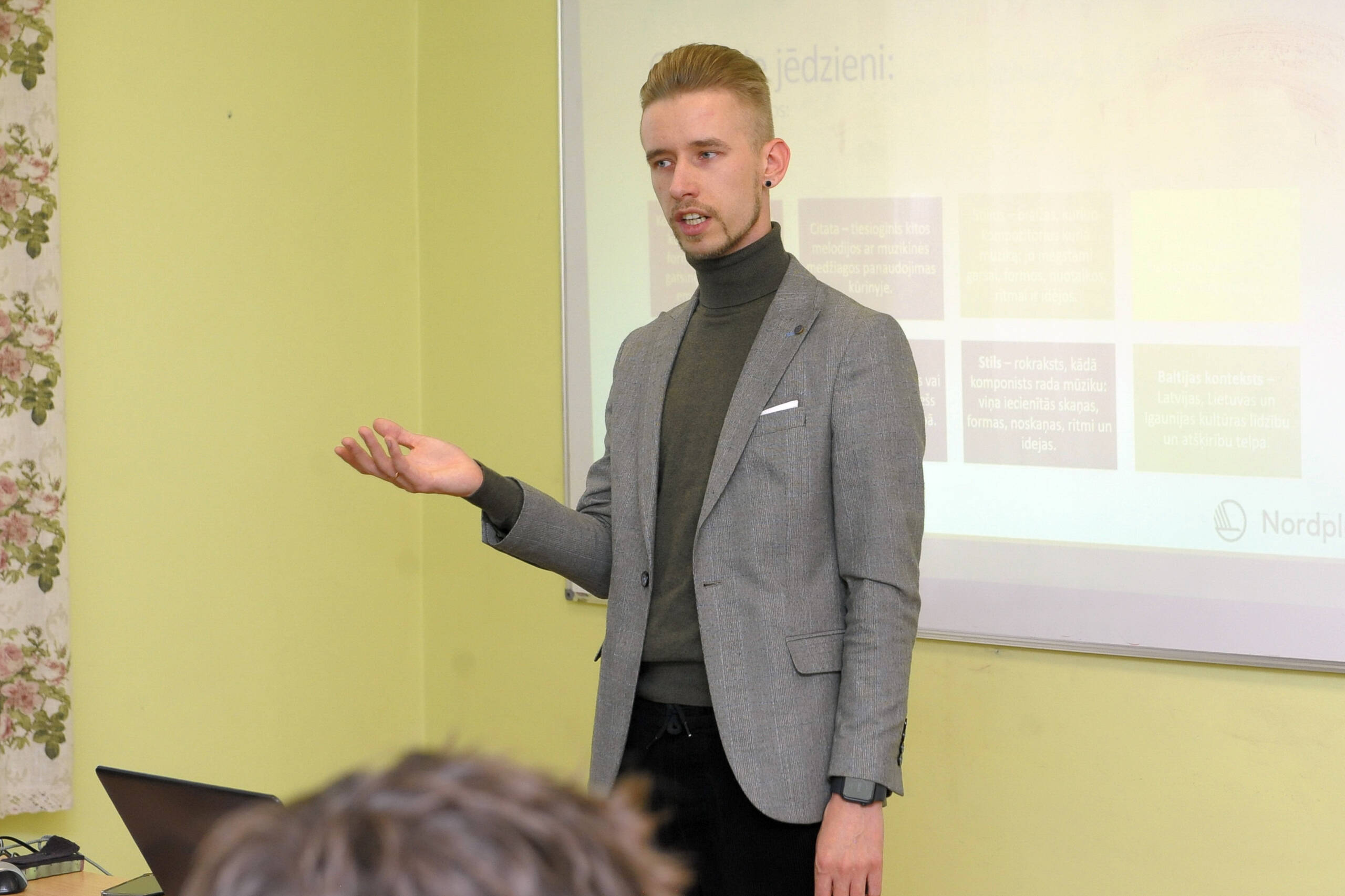
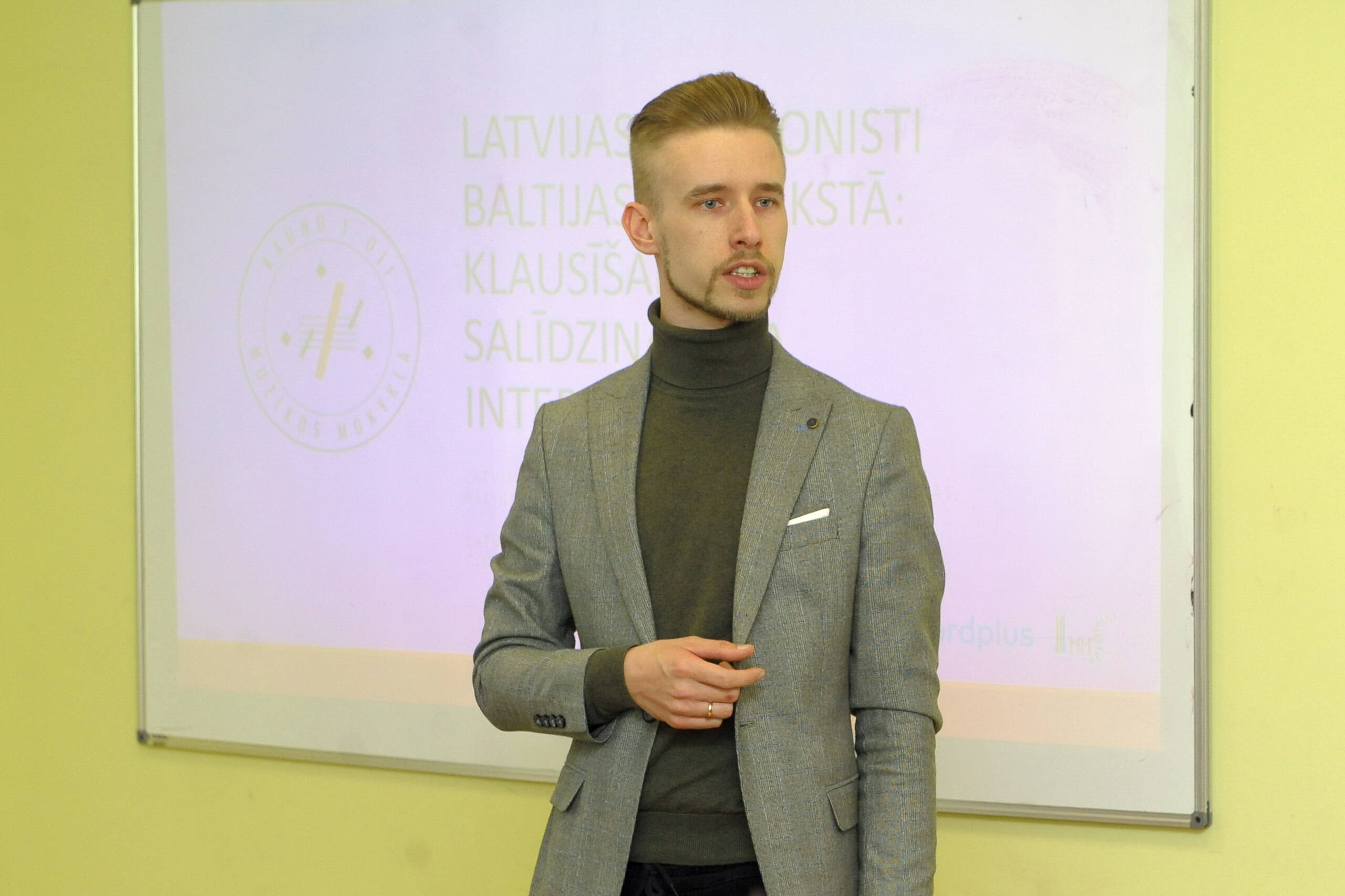
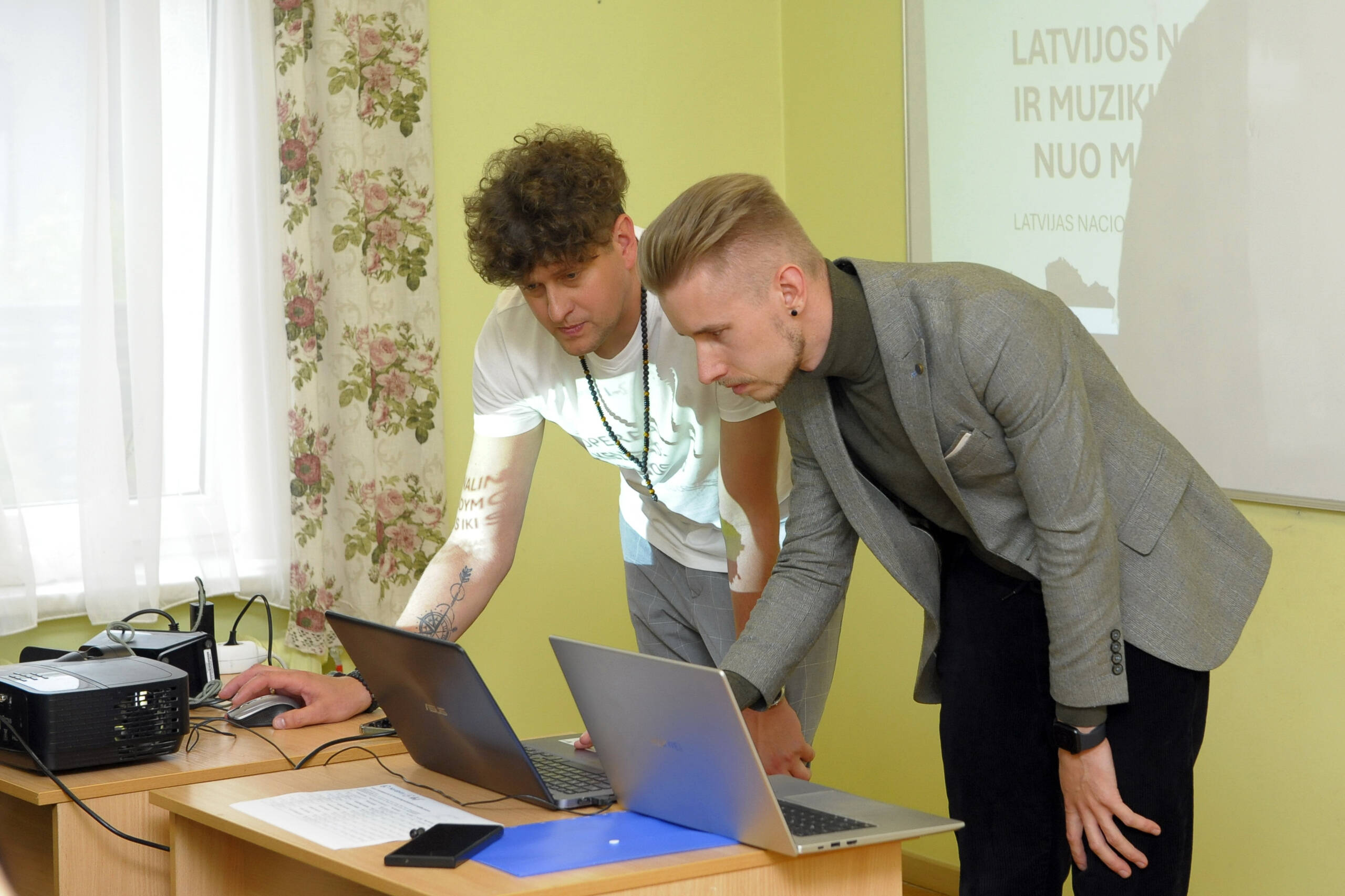
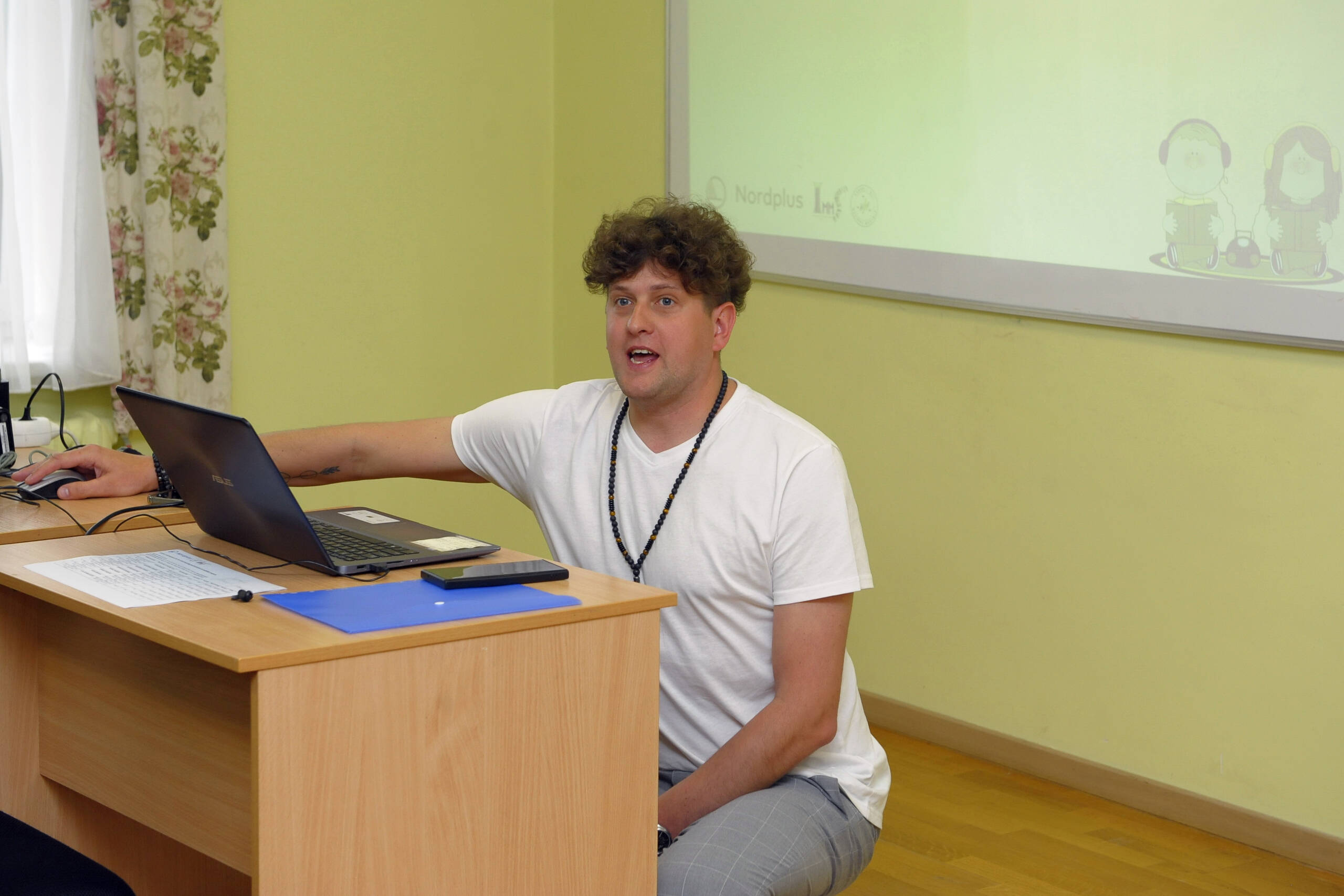
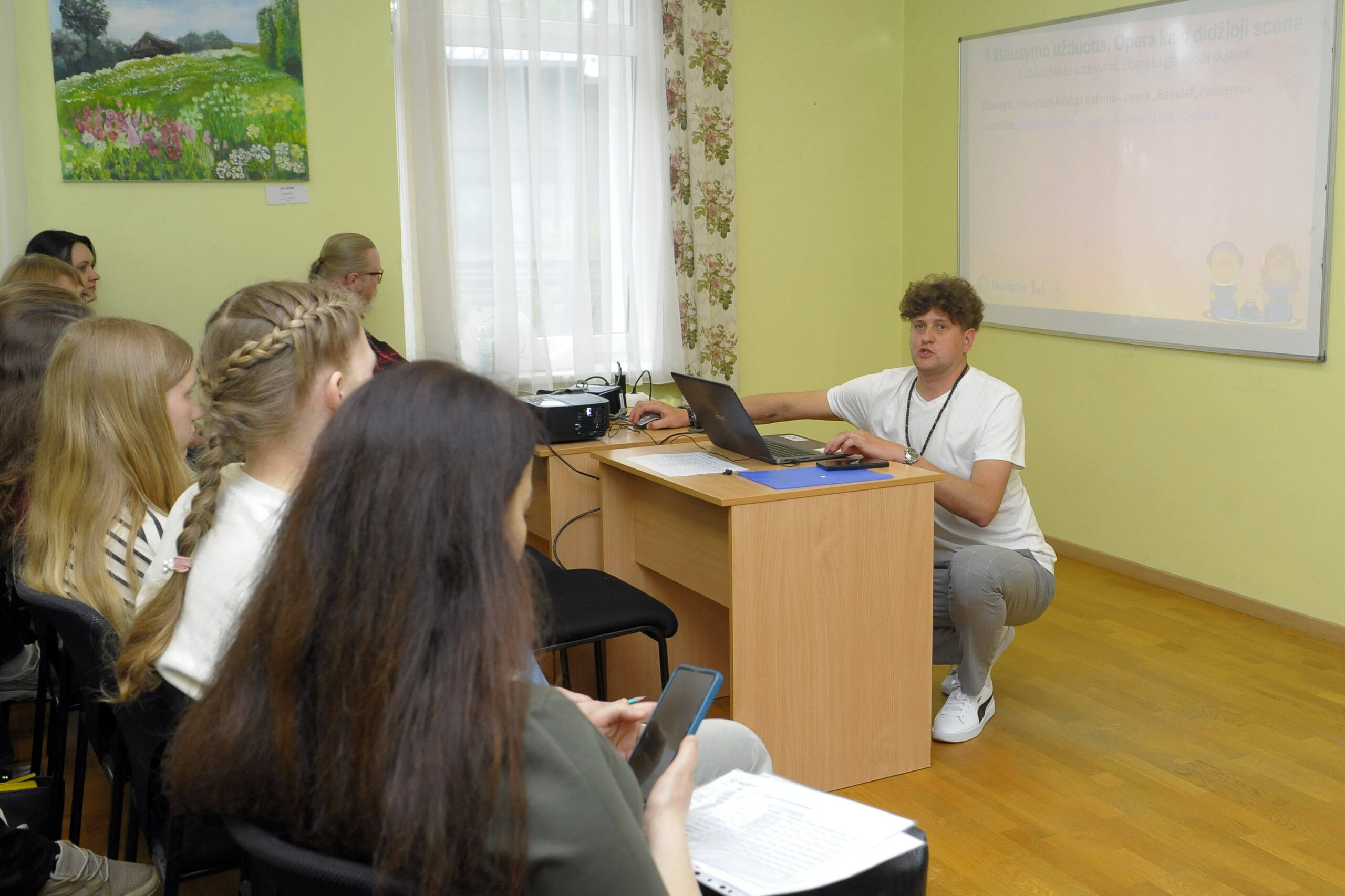
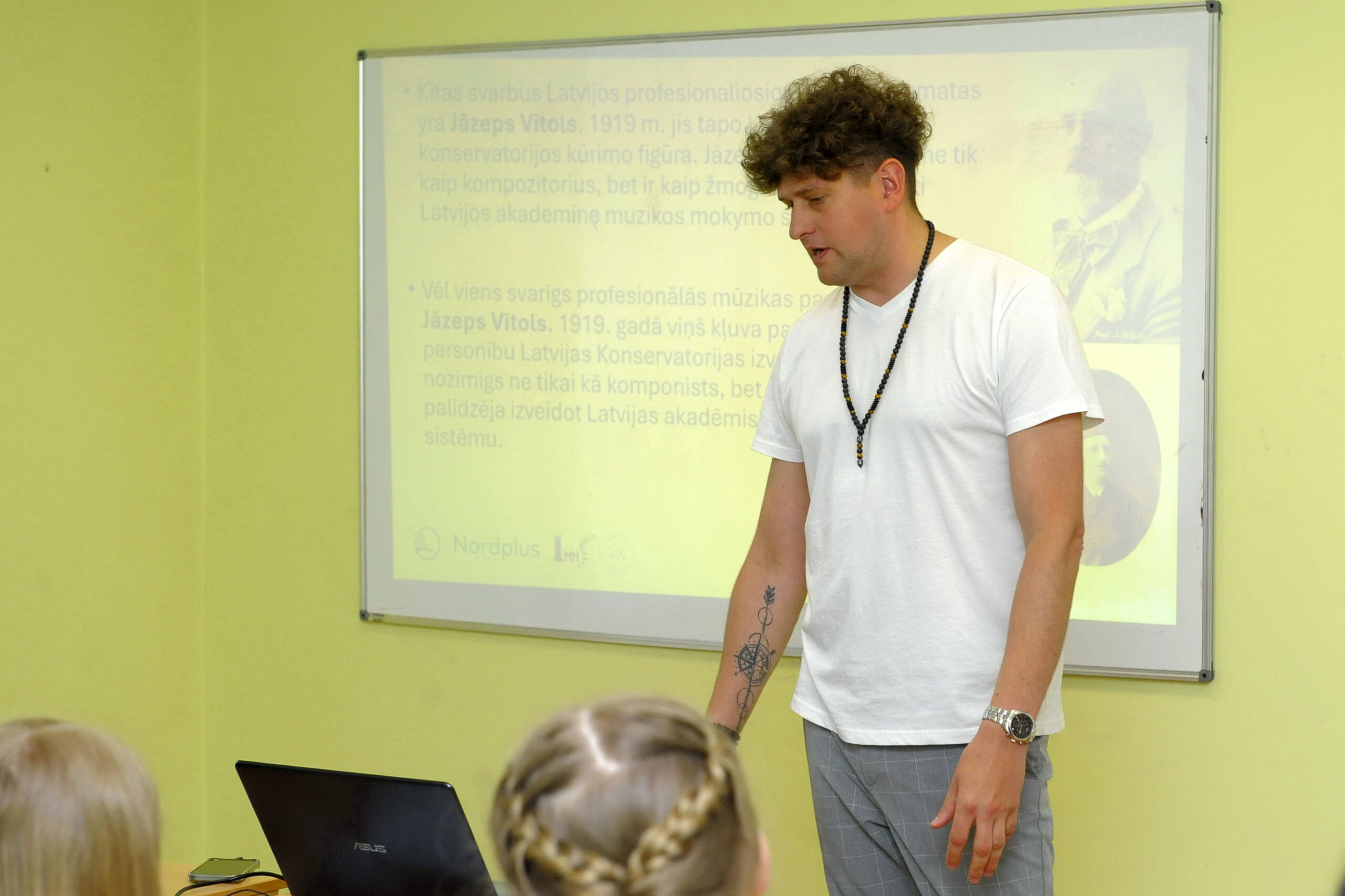
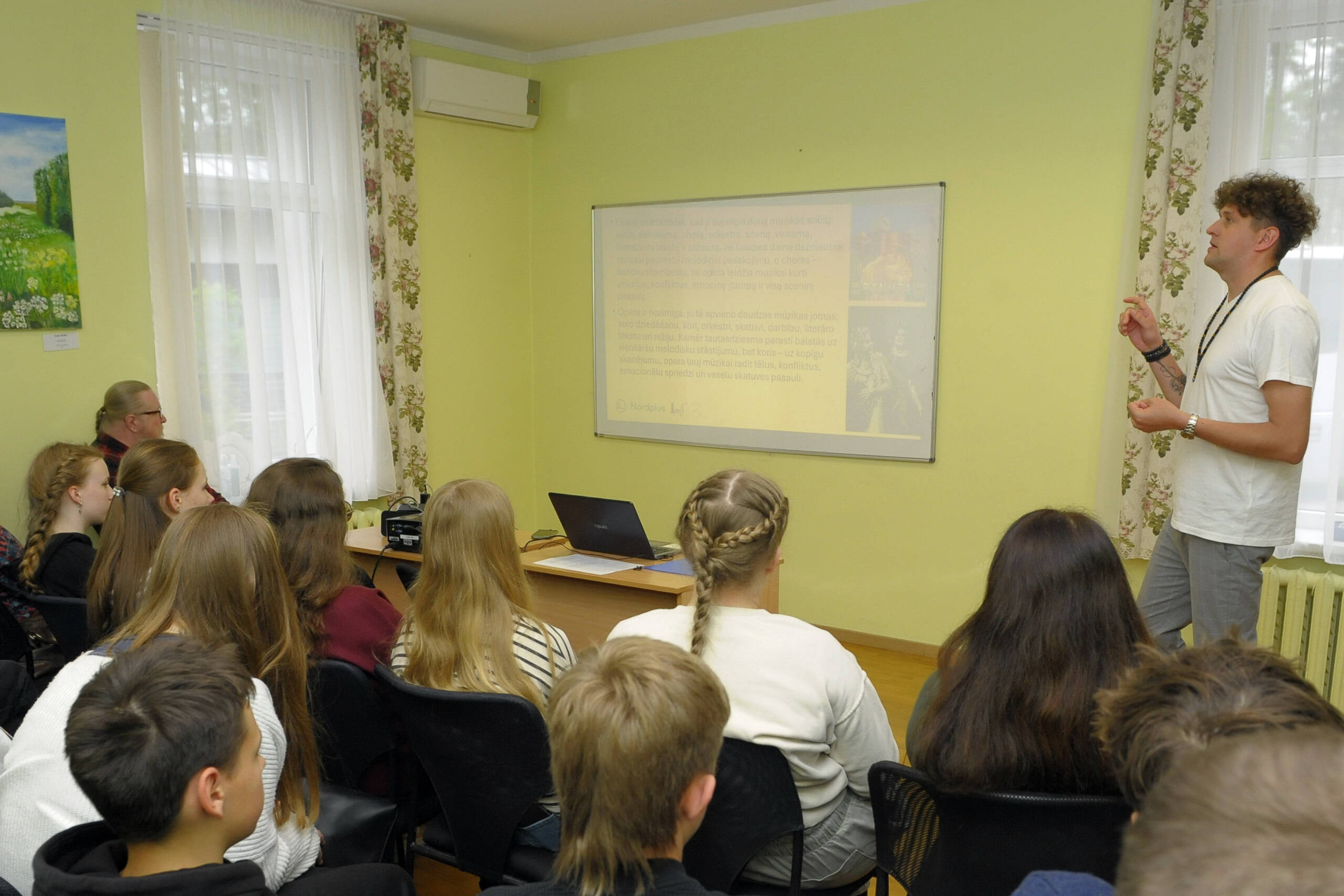
The first day of the project, 7 May 2026, began with a journey from Kaunas to Ikšķile. Upon arrival at Ikšķile School of Music and Art, the students took part in three interactive music history lessons, which formed the foundation of the entire project programme.
The first activity, “The Origins of Latvian Musical Identity: From Folk Tradition to Professional Music”, focused on how folk song, choral community and the national awakening contributed to the formation of Latvian professional music.
The second activity, “Latvian Musical Genres and Cultural Symbols: Choir, Stage, Instrument”, enabled students to look at Latvian music through its different forms of expression. Choral culture, stage music and instrumental composition were presented as important markers of Latvian cultural identity, helping students understand why music in Latvia is not only an artistic experience, but also a communal, historical and symbolic one.
The third activity, “Latvian Composers in the Baltic Context: Listening, Comparison and Interpretation”, was dedicated to active listening and comparative analysis. Students became acquainted with the works of Latvian composers, discussed them within the context of the Baltic region, explored links with Lithuanian musical culture and learned to evaluate music not only through its sound, but also through its historical, cultural and stylistic environment. The day’s programme in Ikšķile was complemented by attendance at a Latvian–Finnish concert, which offered the students an opportunity to experience the atmosphere of international musical cooperation first-hand.

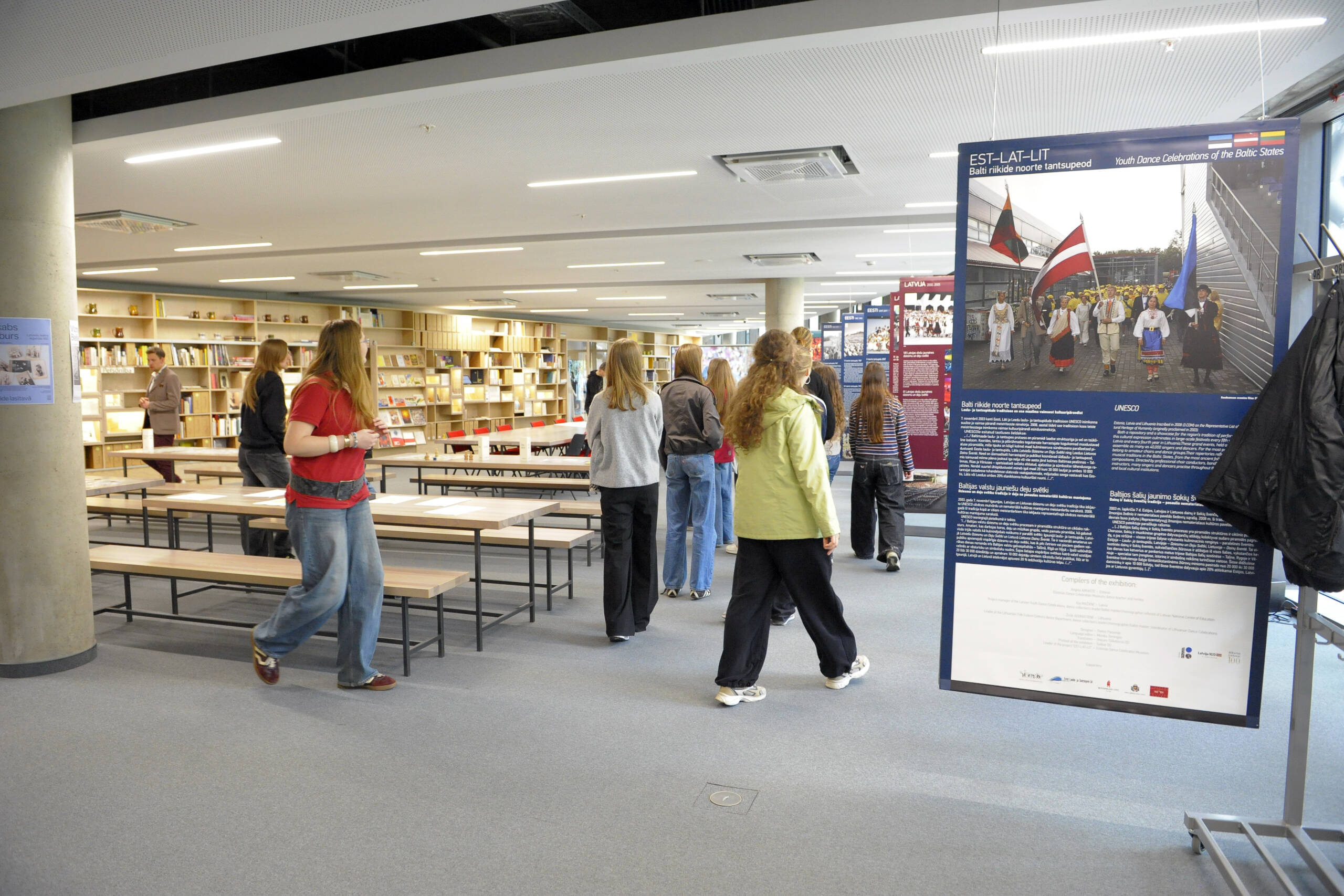
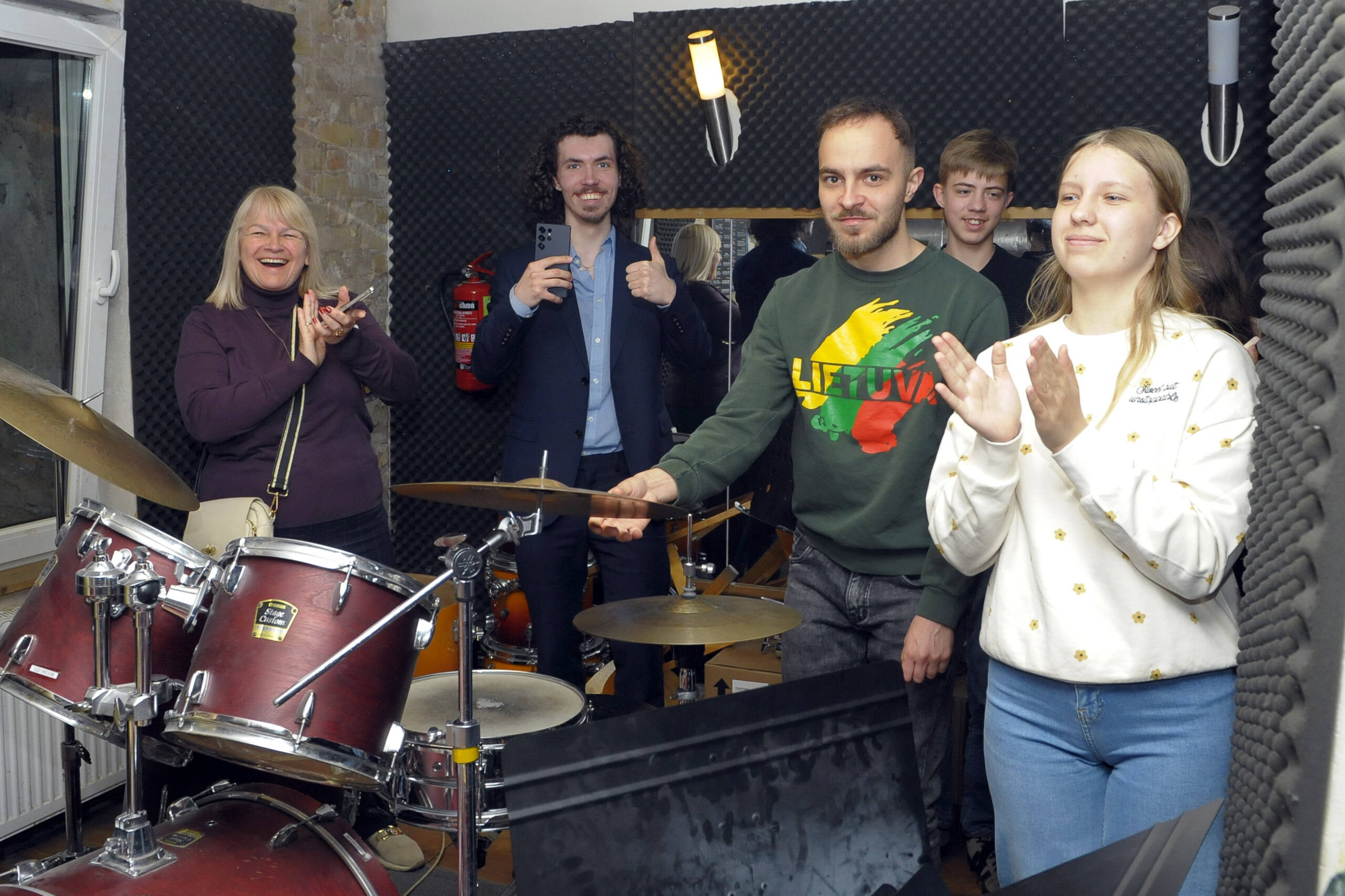
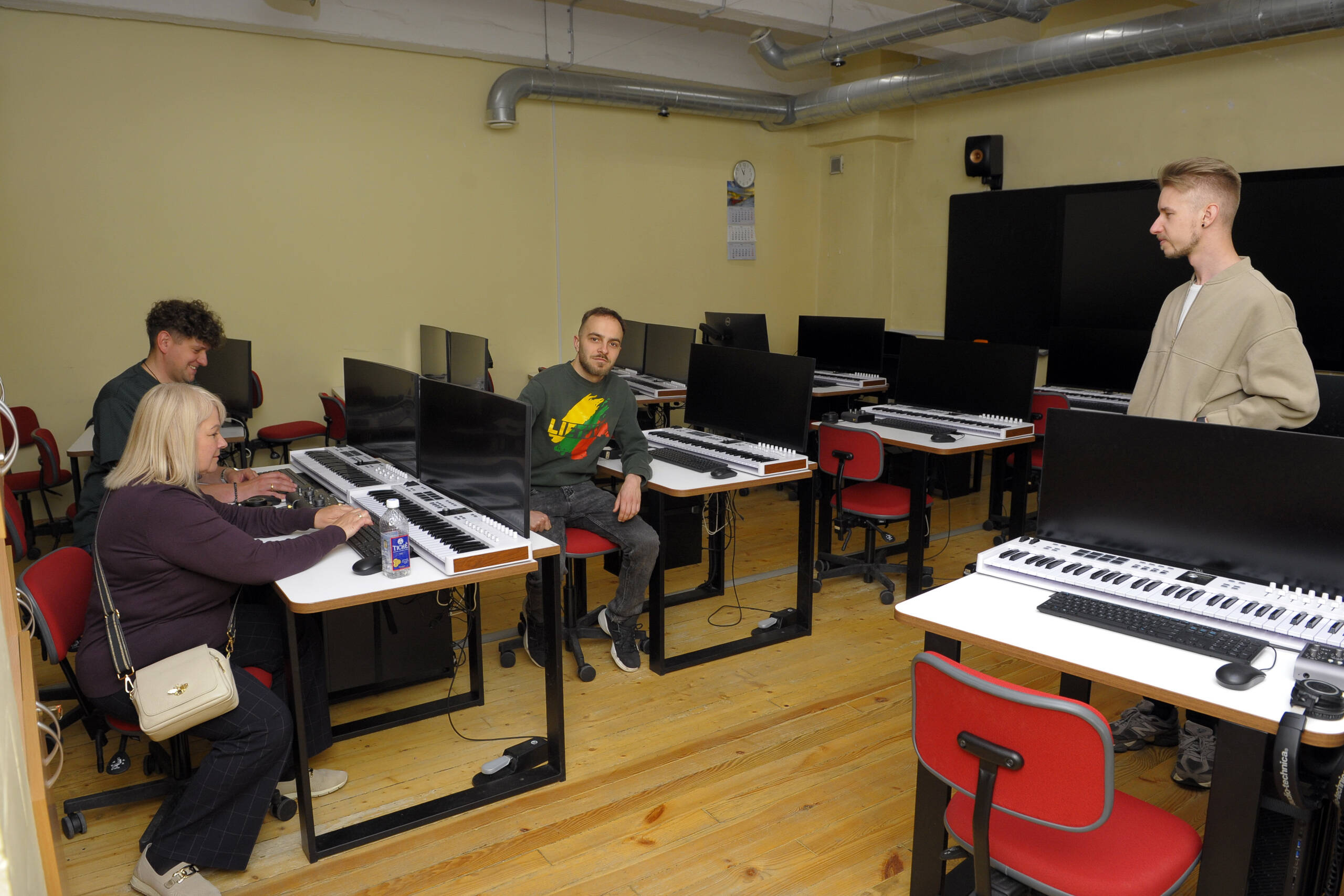
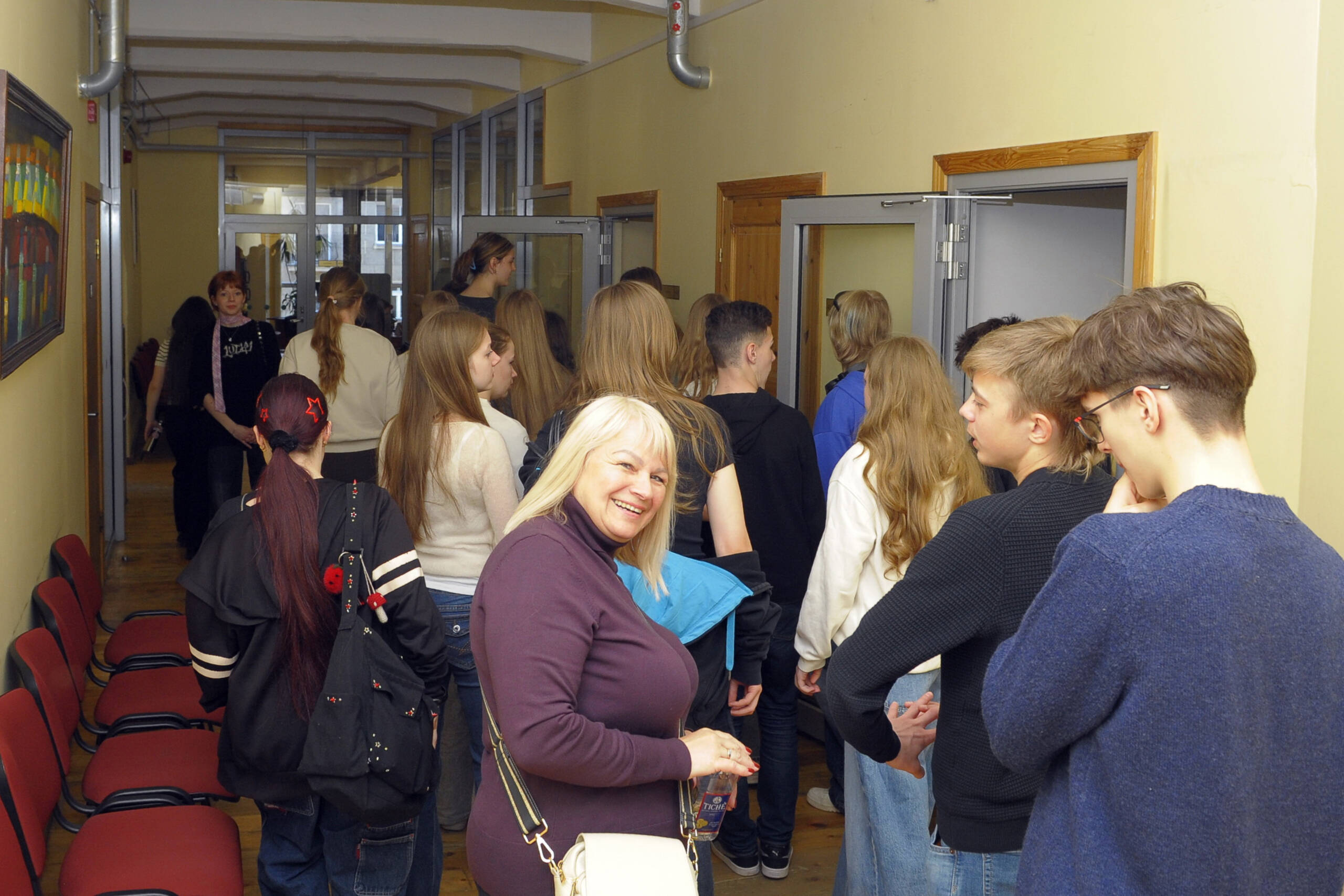
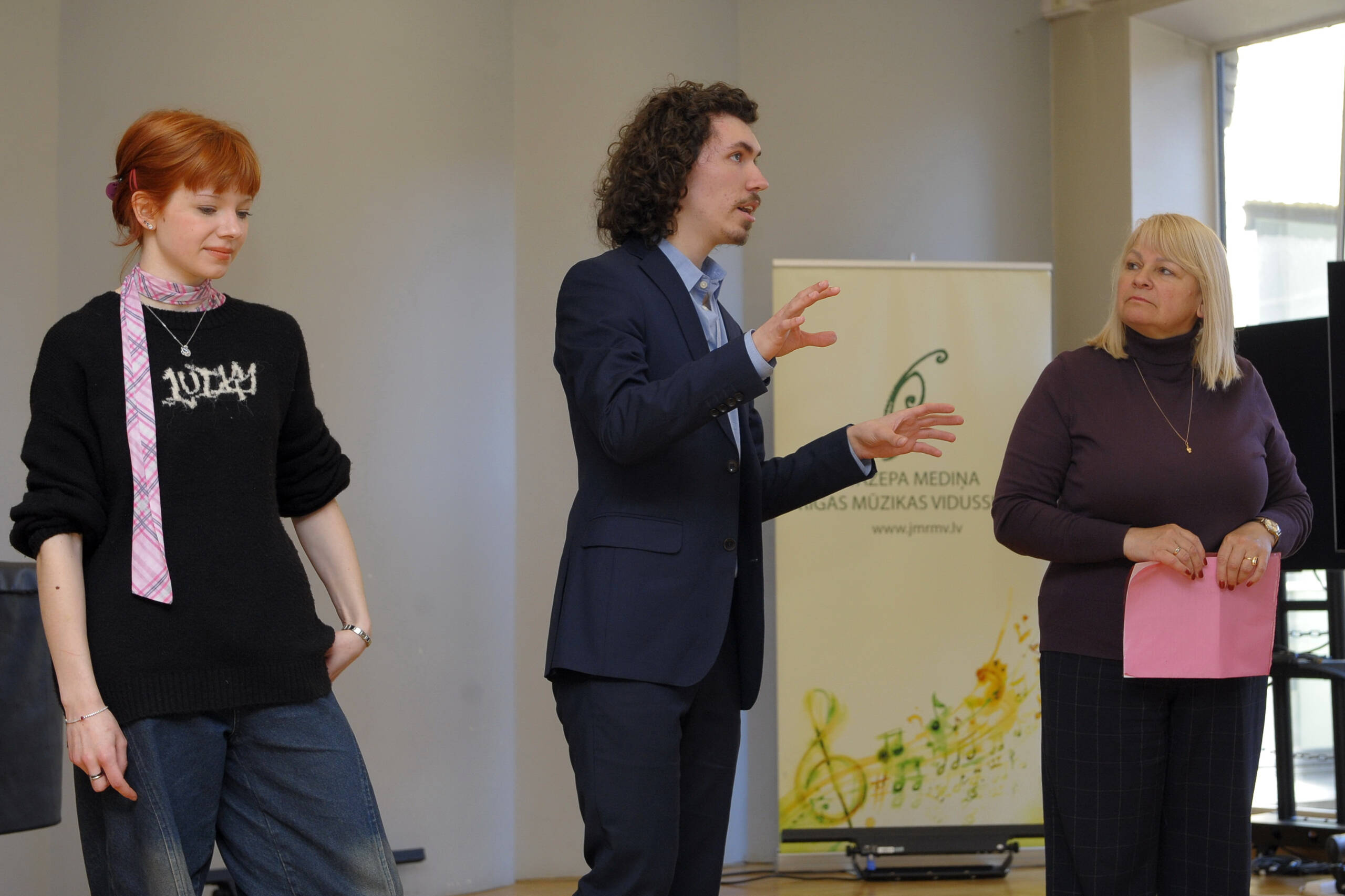
The second day of the project, 8 May 2026, was dedicated to exploring the Latvian music education system and the world of musical creativity. In the morning, the project participants, together with students from Ikšķile School of Music and Art, visited Jāzeps Mediņš Riga Secondary School of Music. The fourth project activity, “The Latvian Music Education System: From the First Schools to Stage Professionals”, took place there. Students were introduced to one of Latvia’s most important music education institutions, its environment, learning spaces and tradition of training professional musicians. This activity allowed them to compare the experiences of Lithuanian and Latvian music schools and to gain a better understanding of how future stage professionals are educated in Latvia.
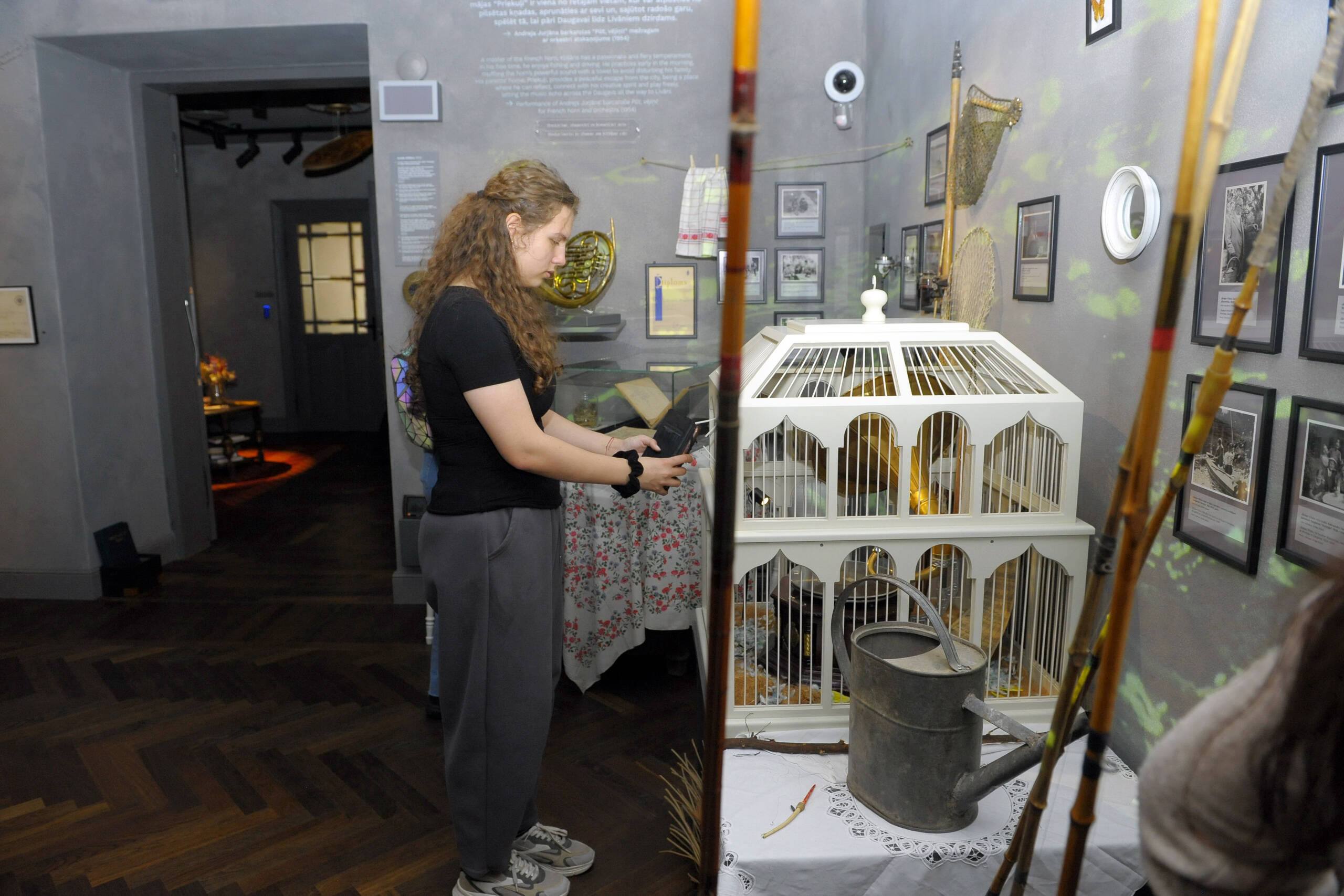
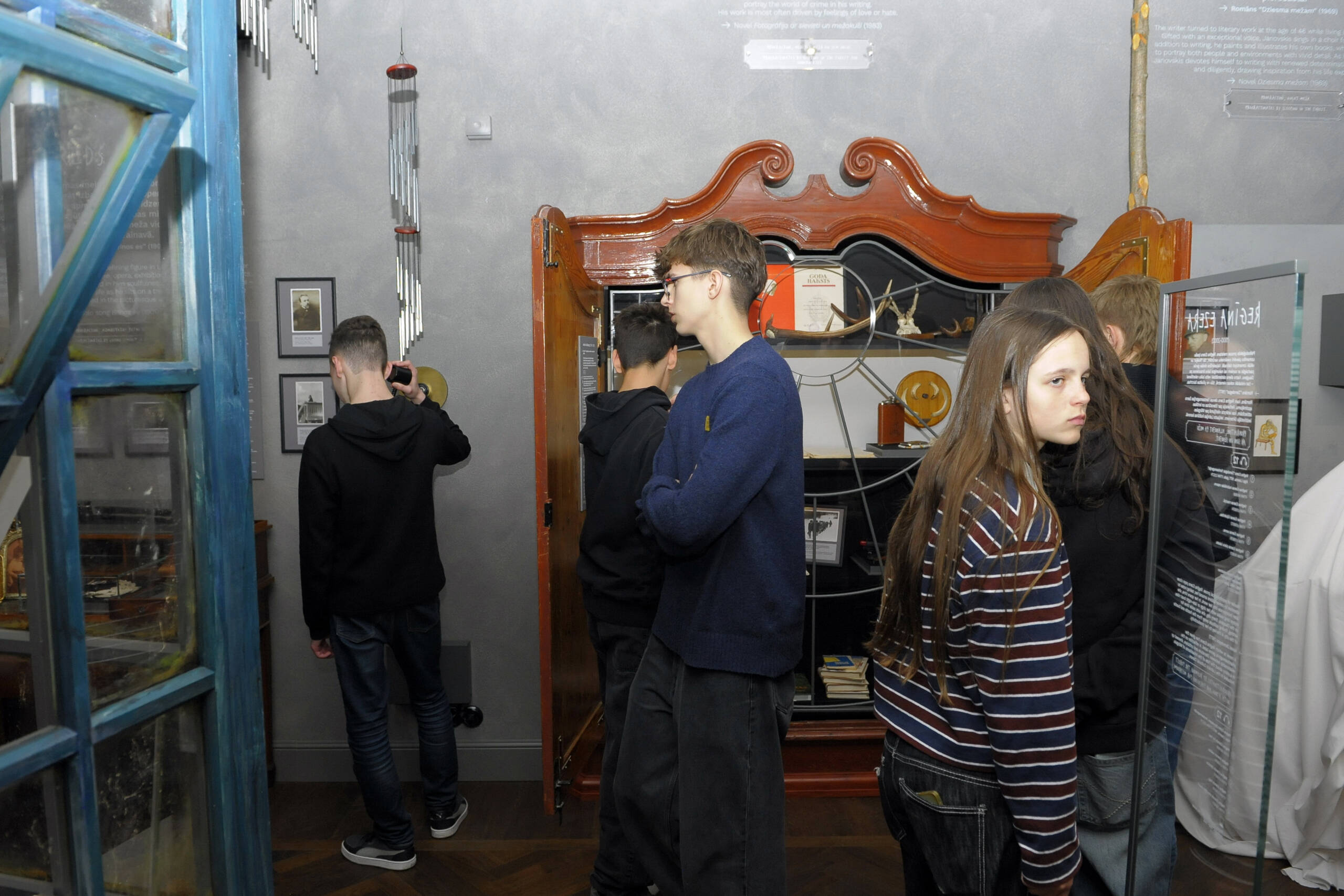
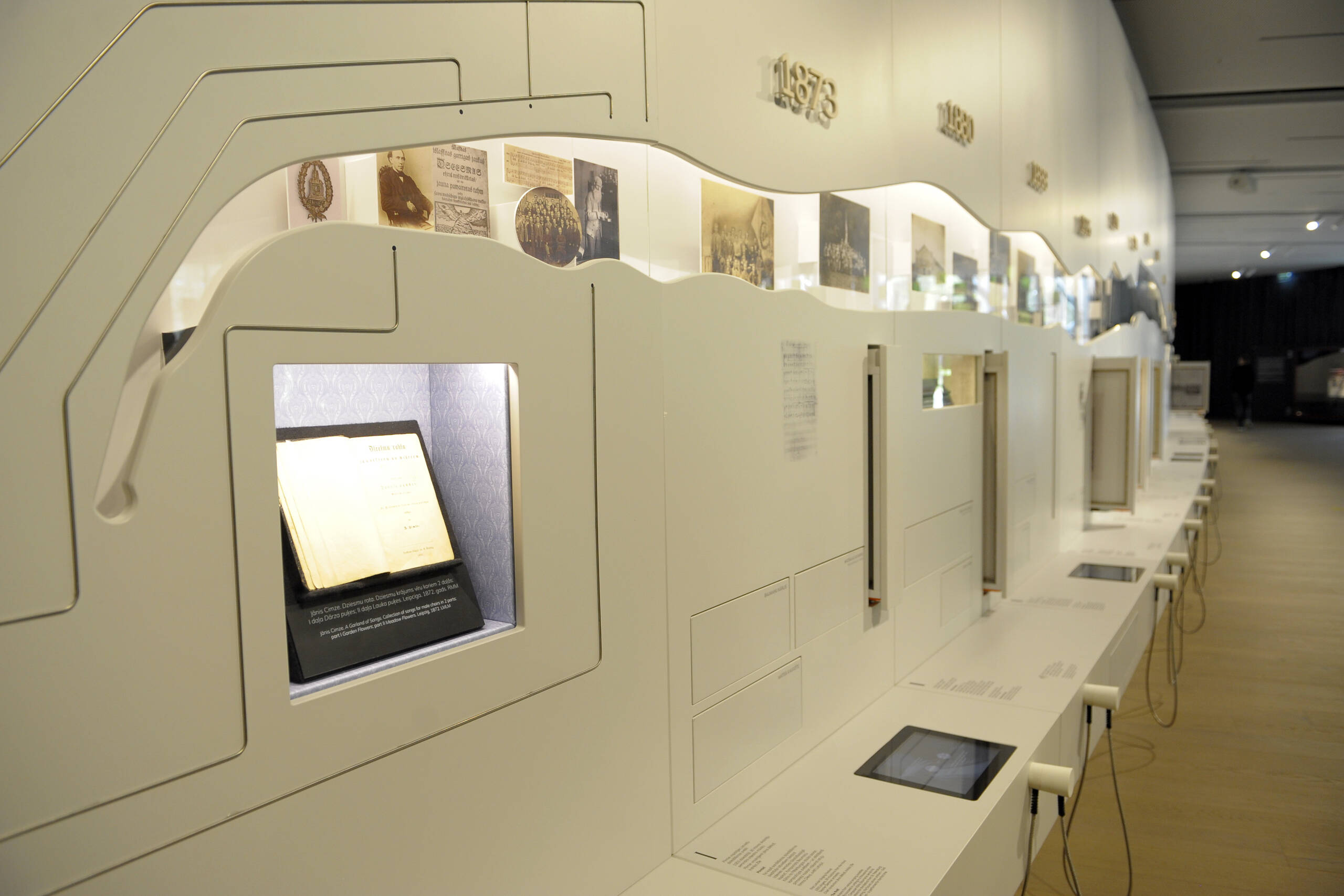
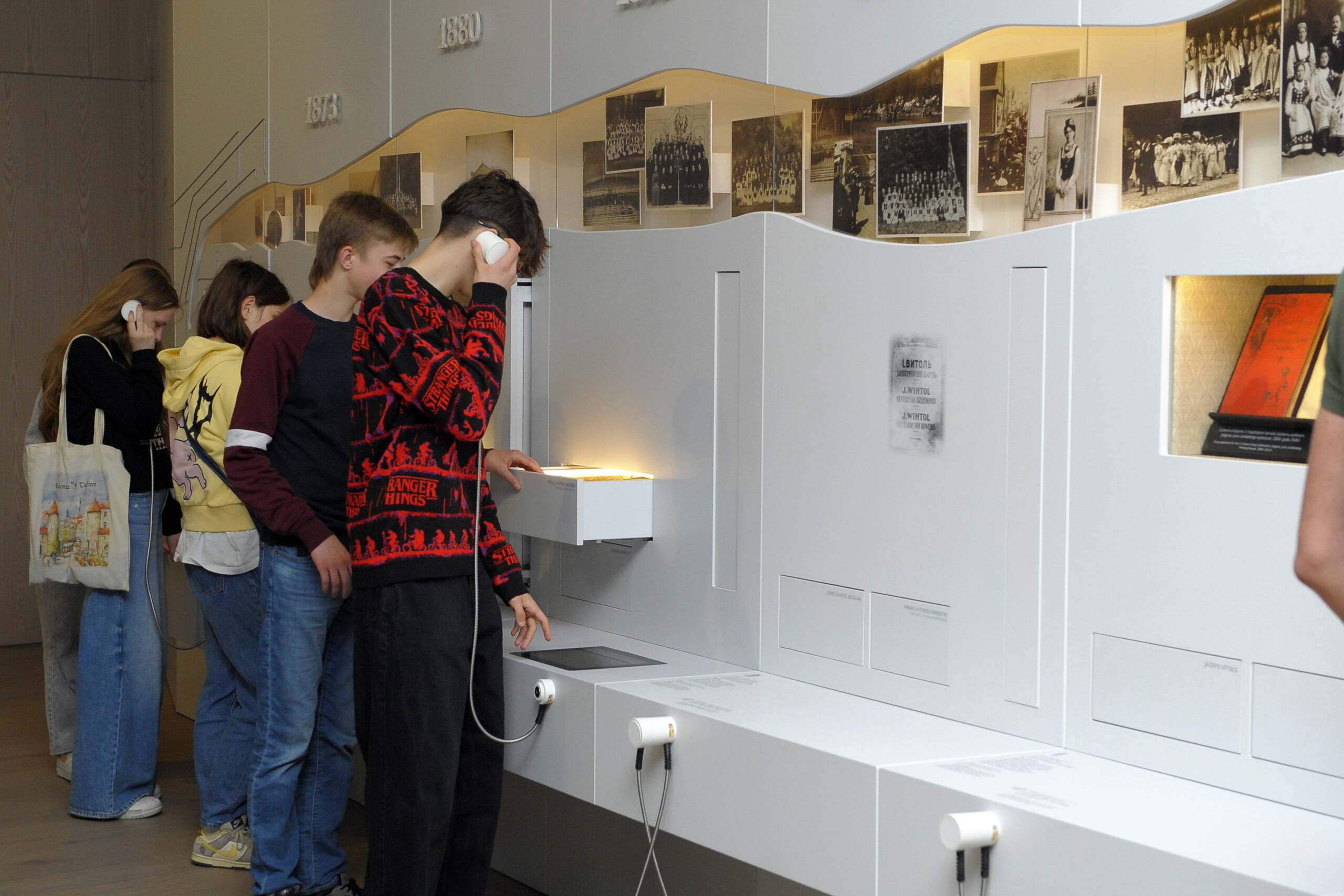
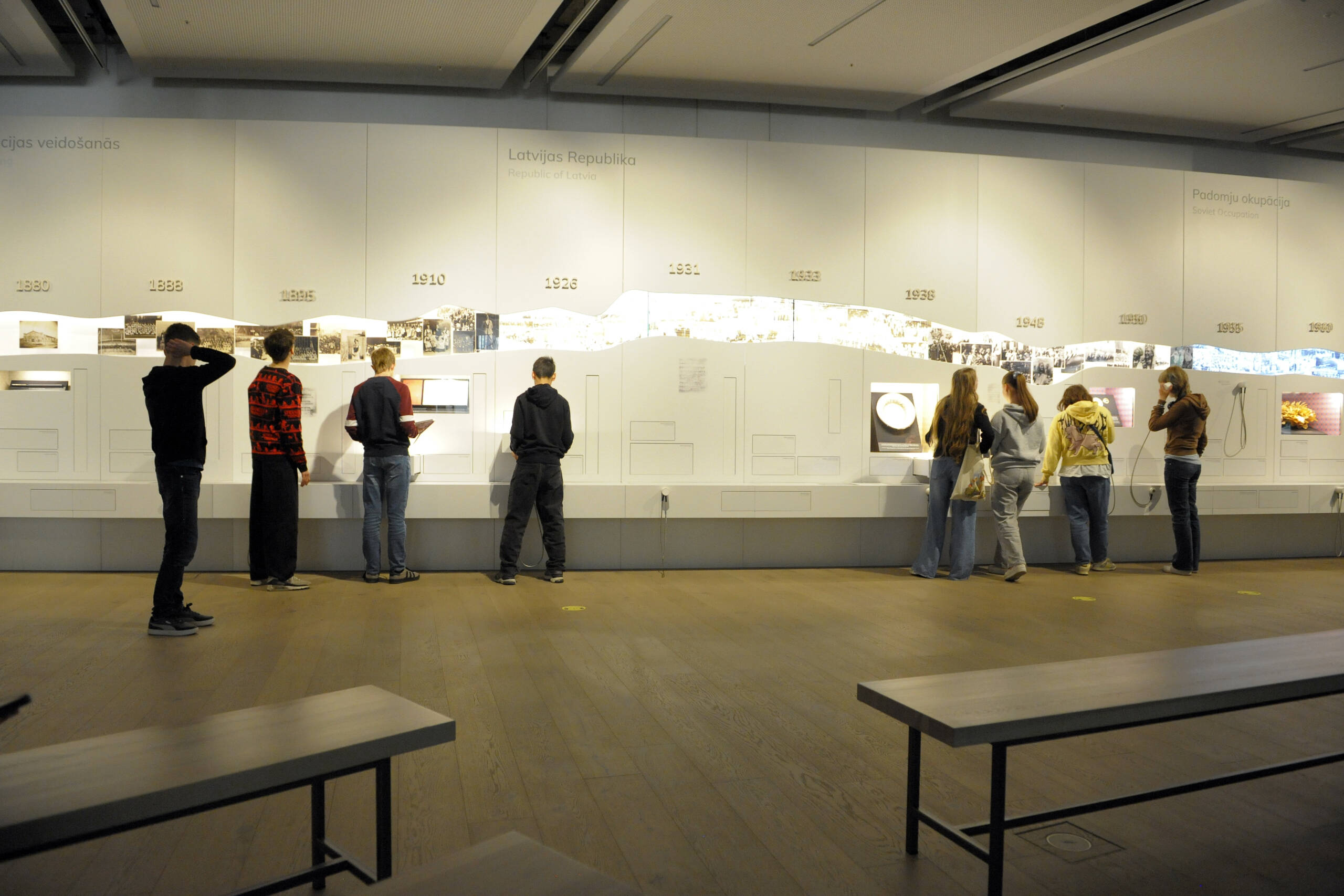
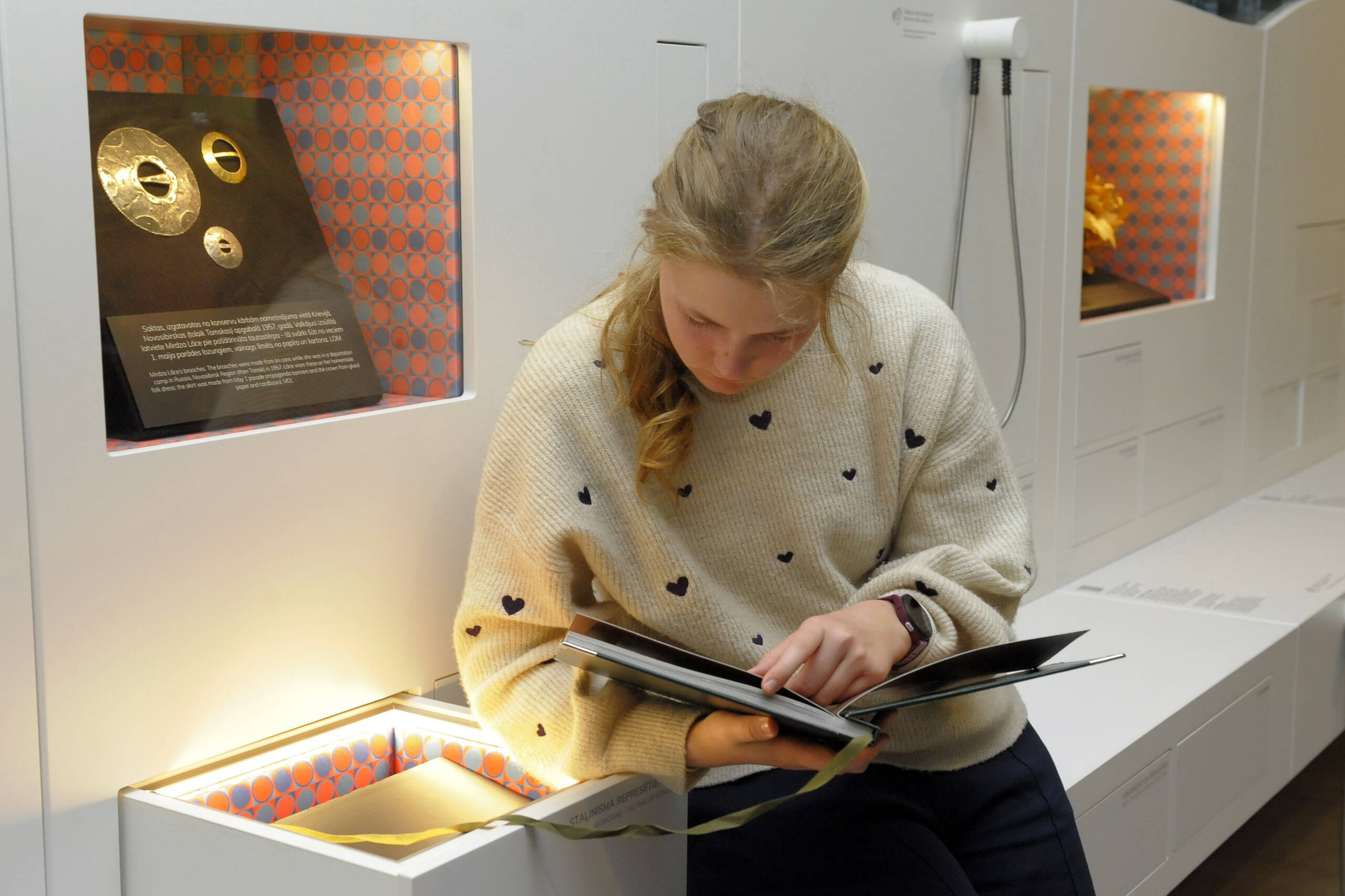
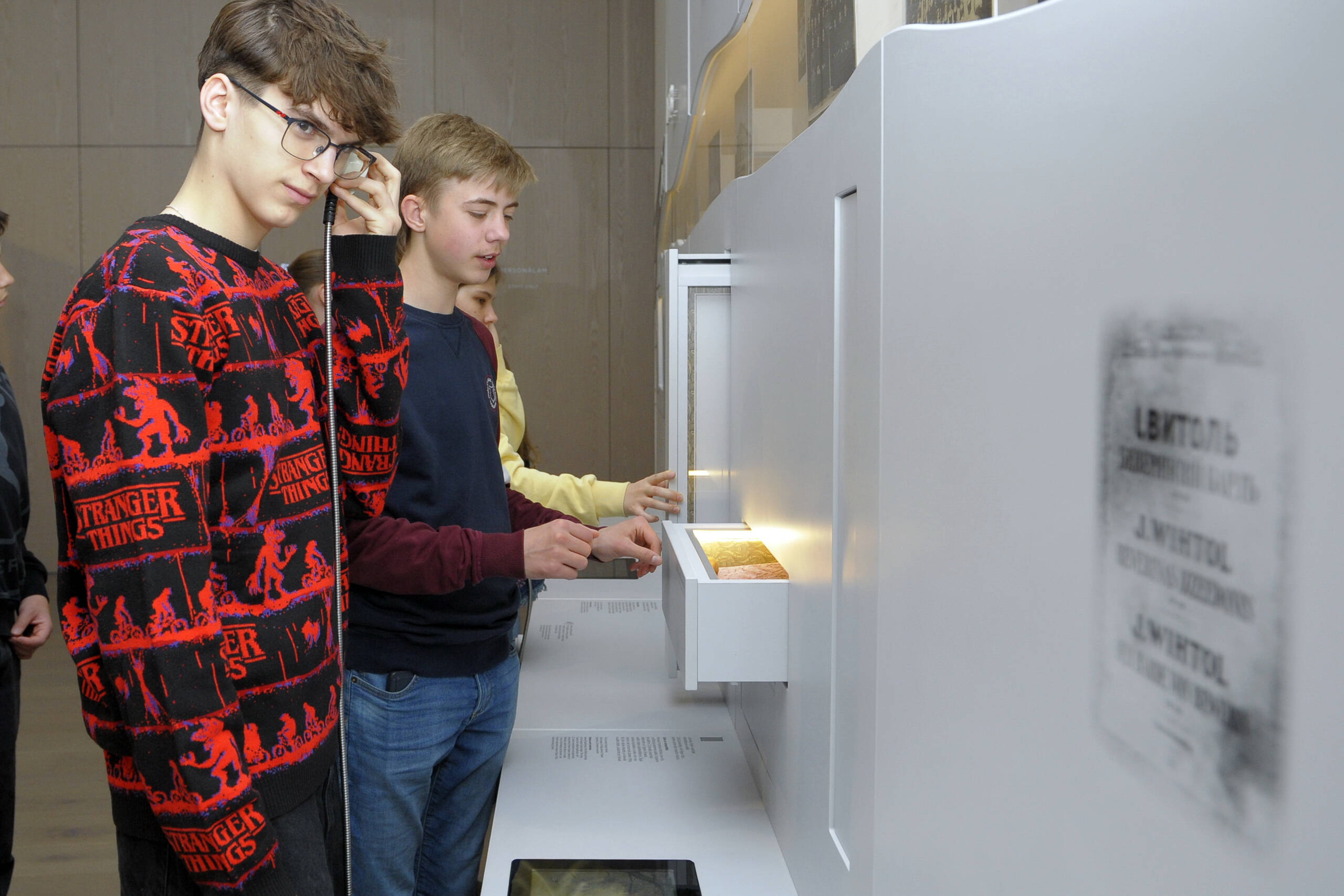
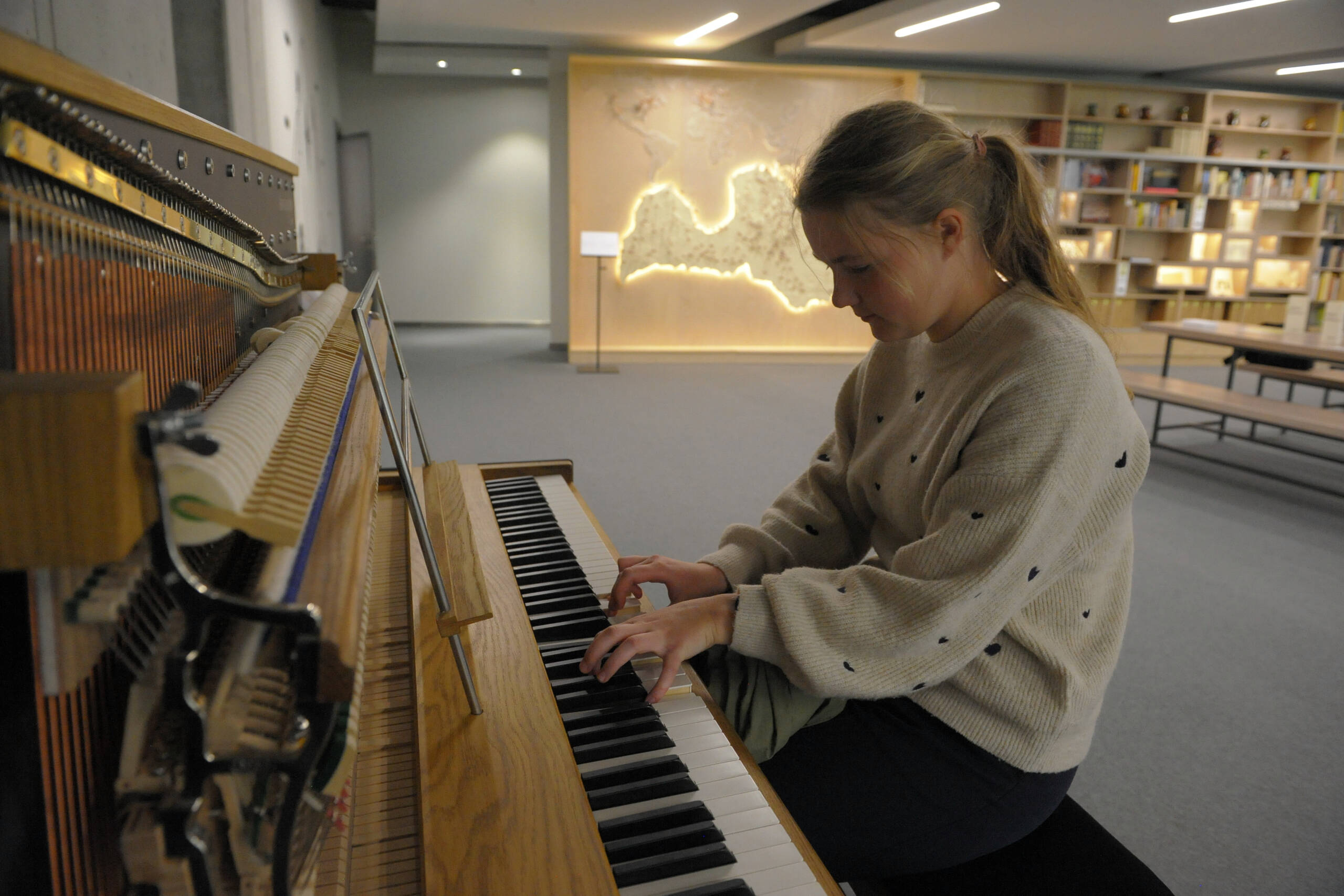
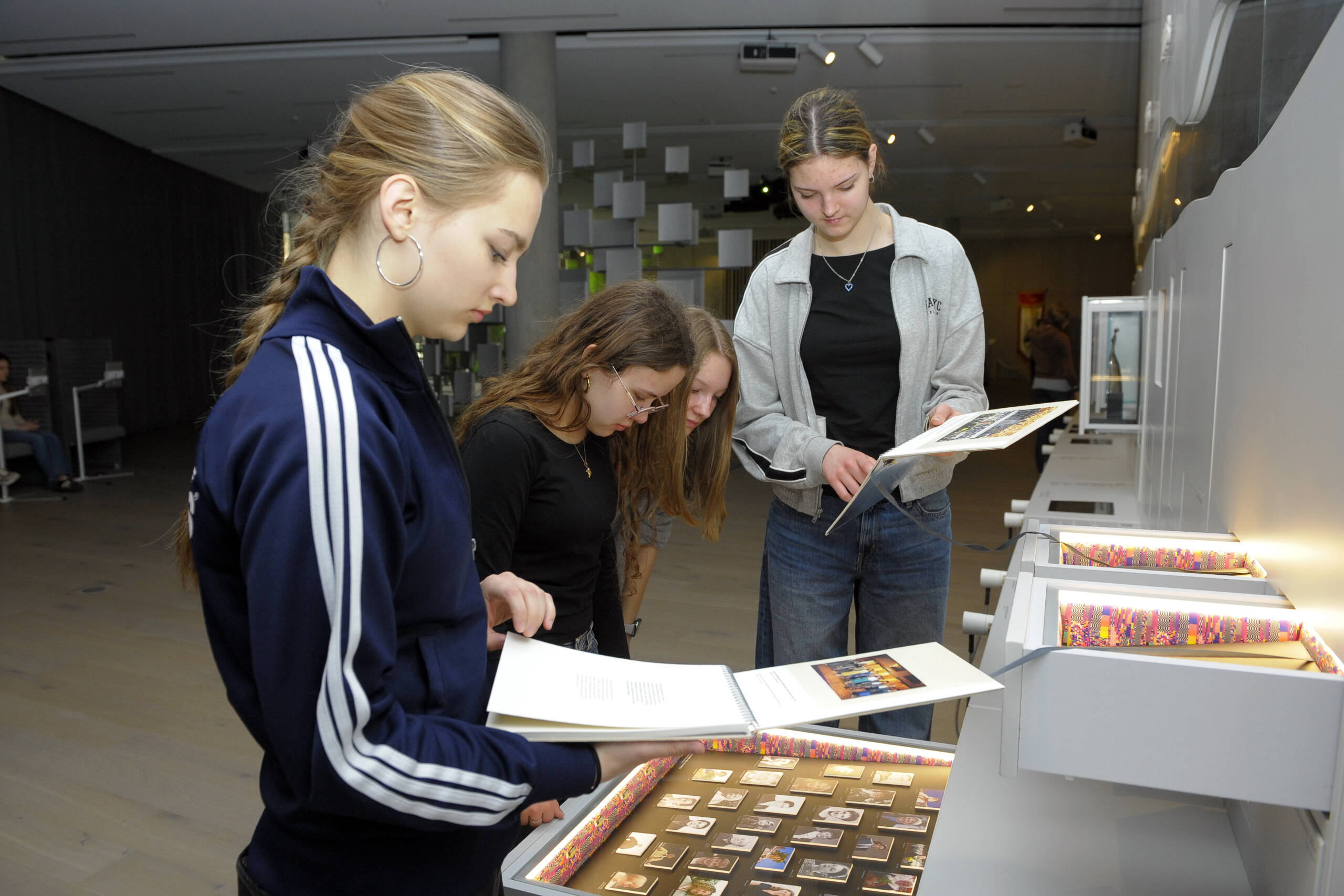
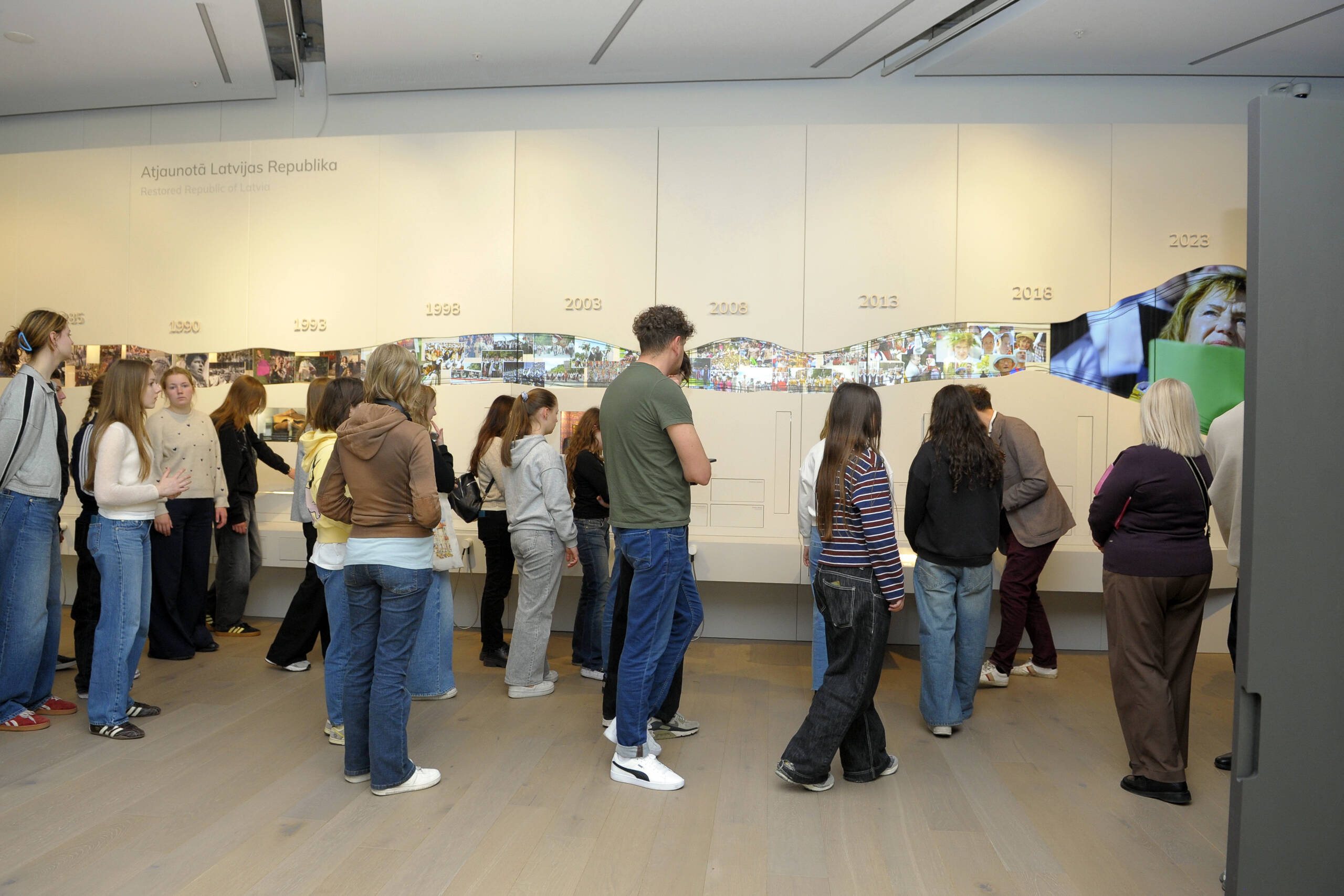
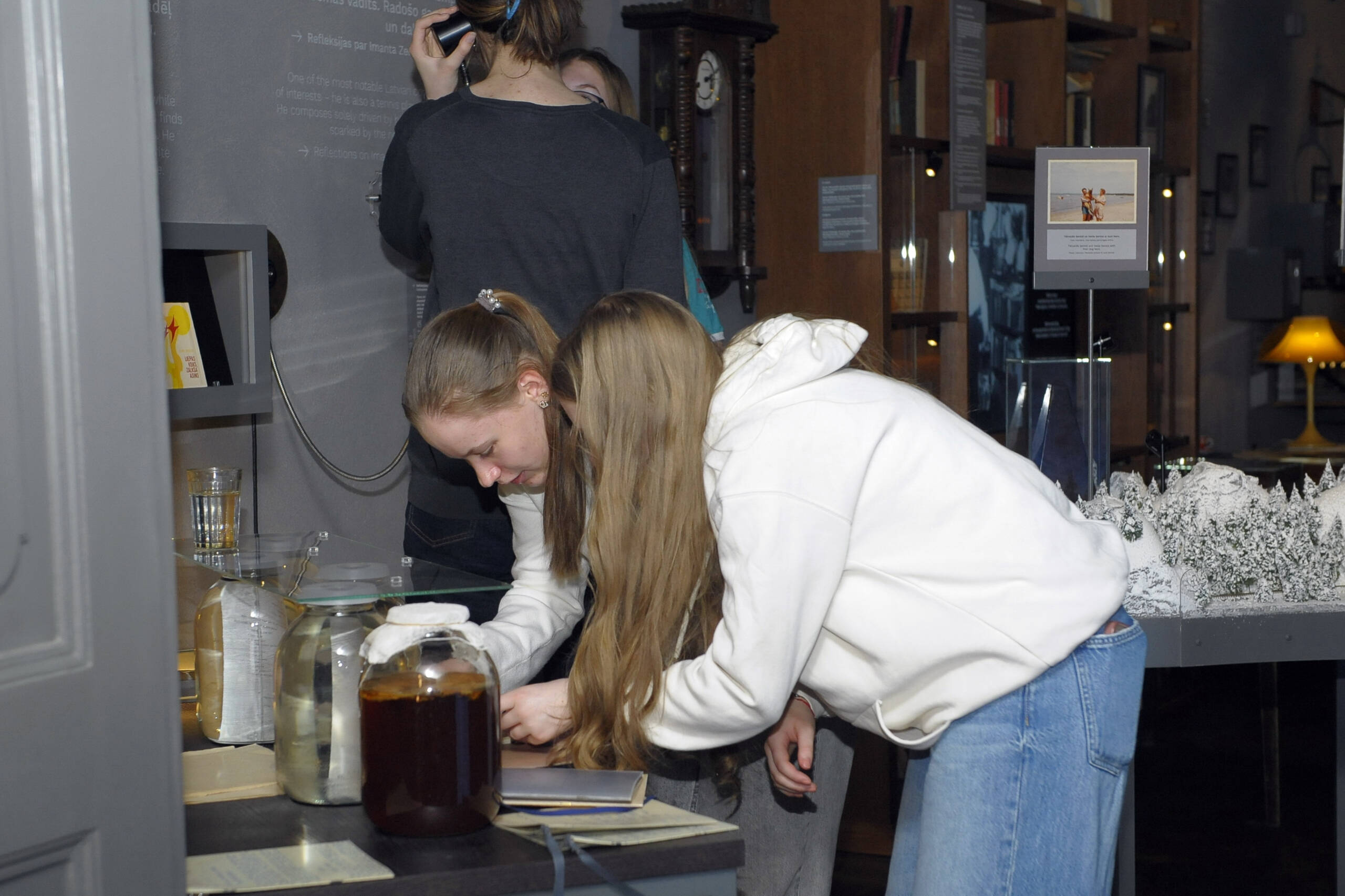
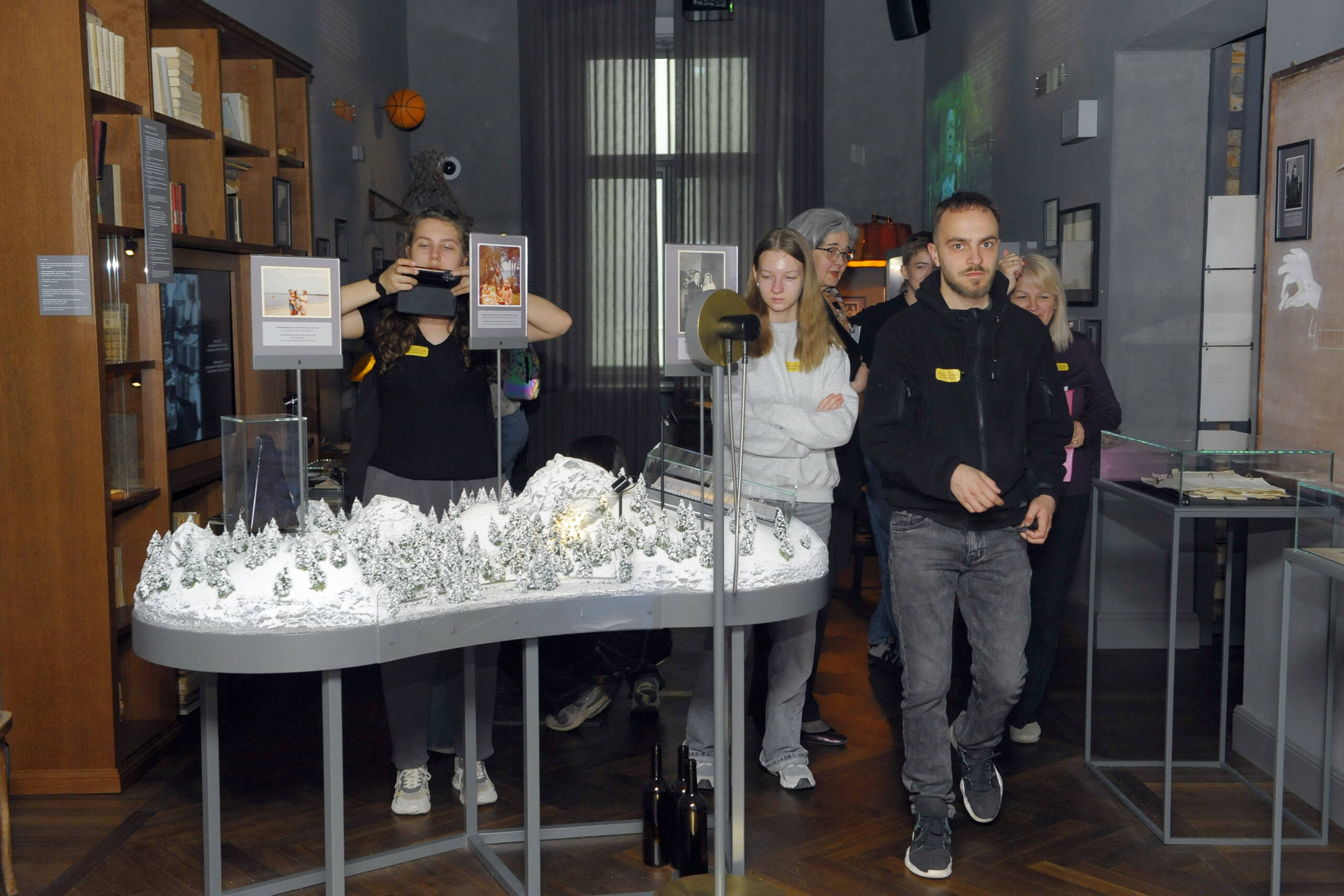
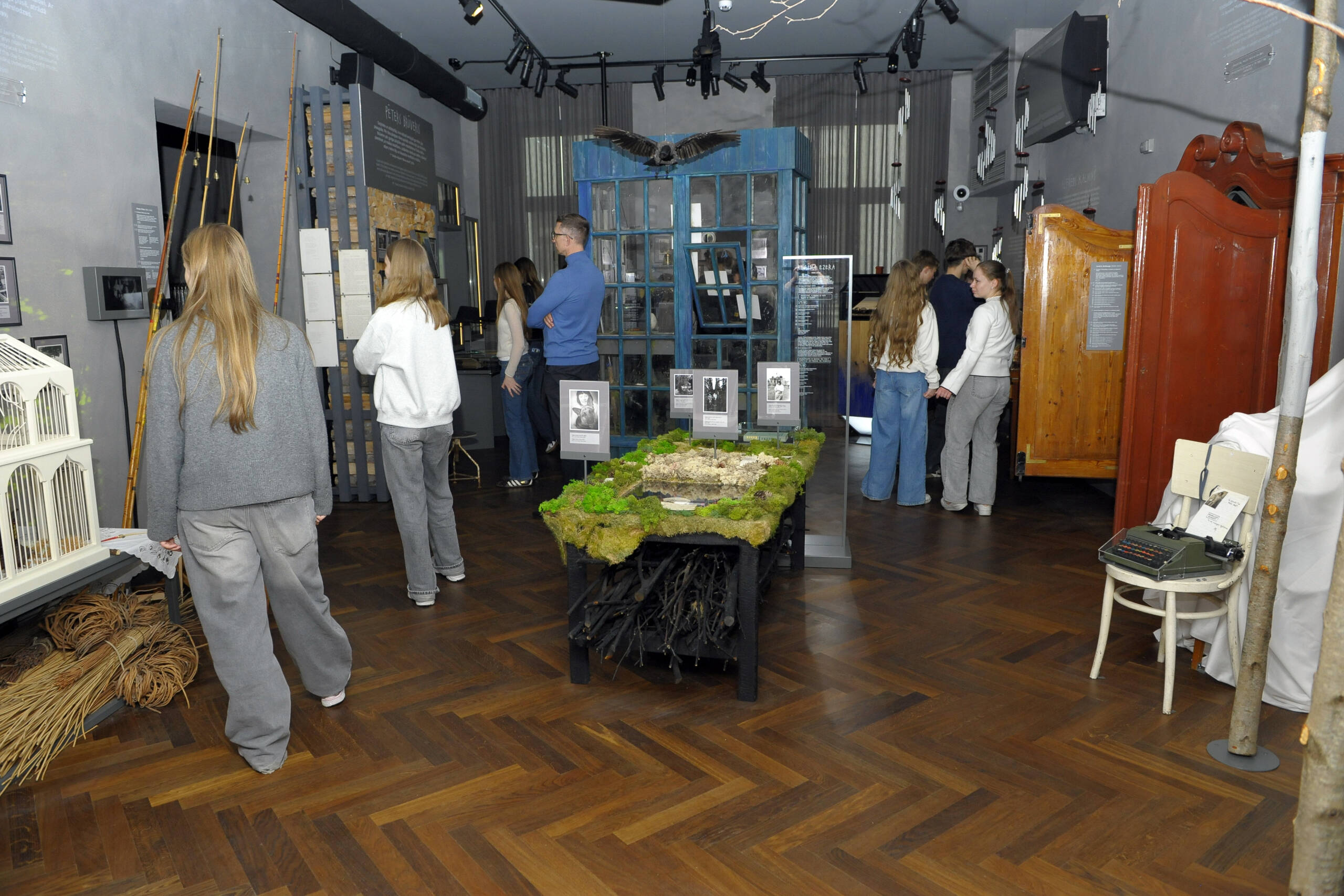
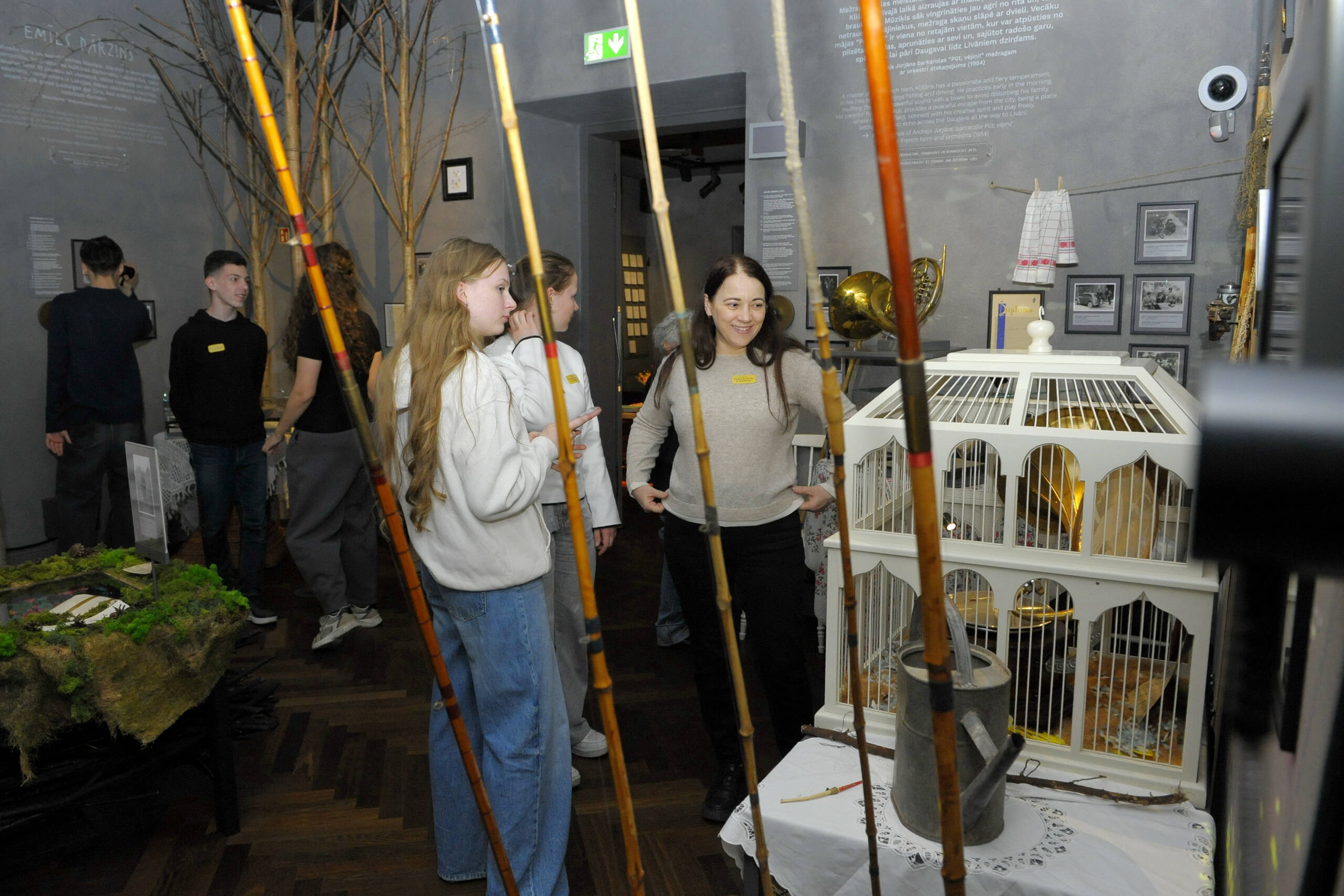
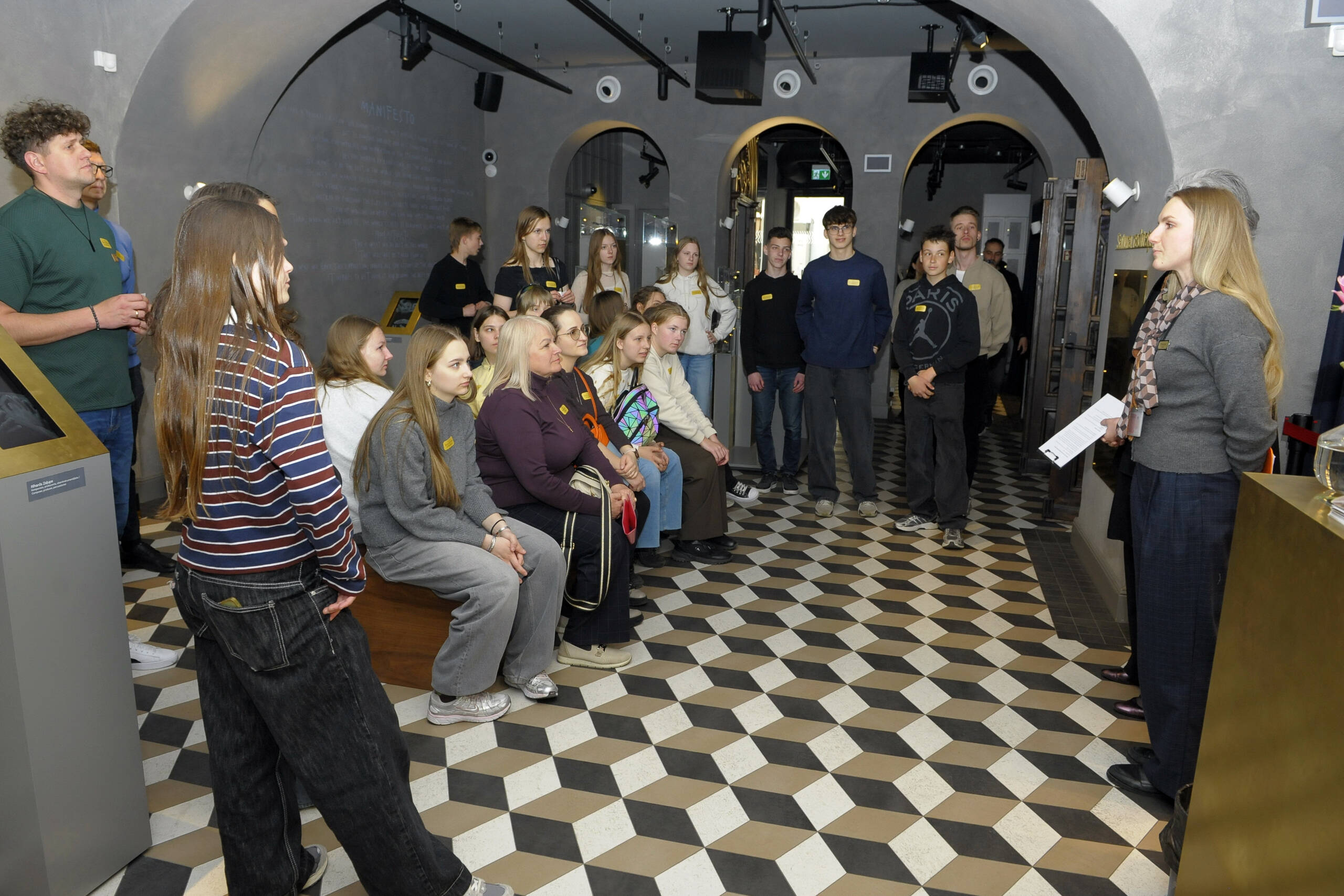
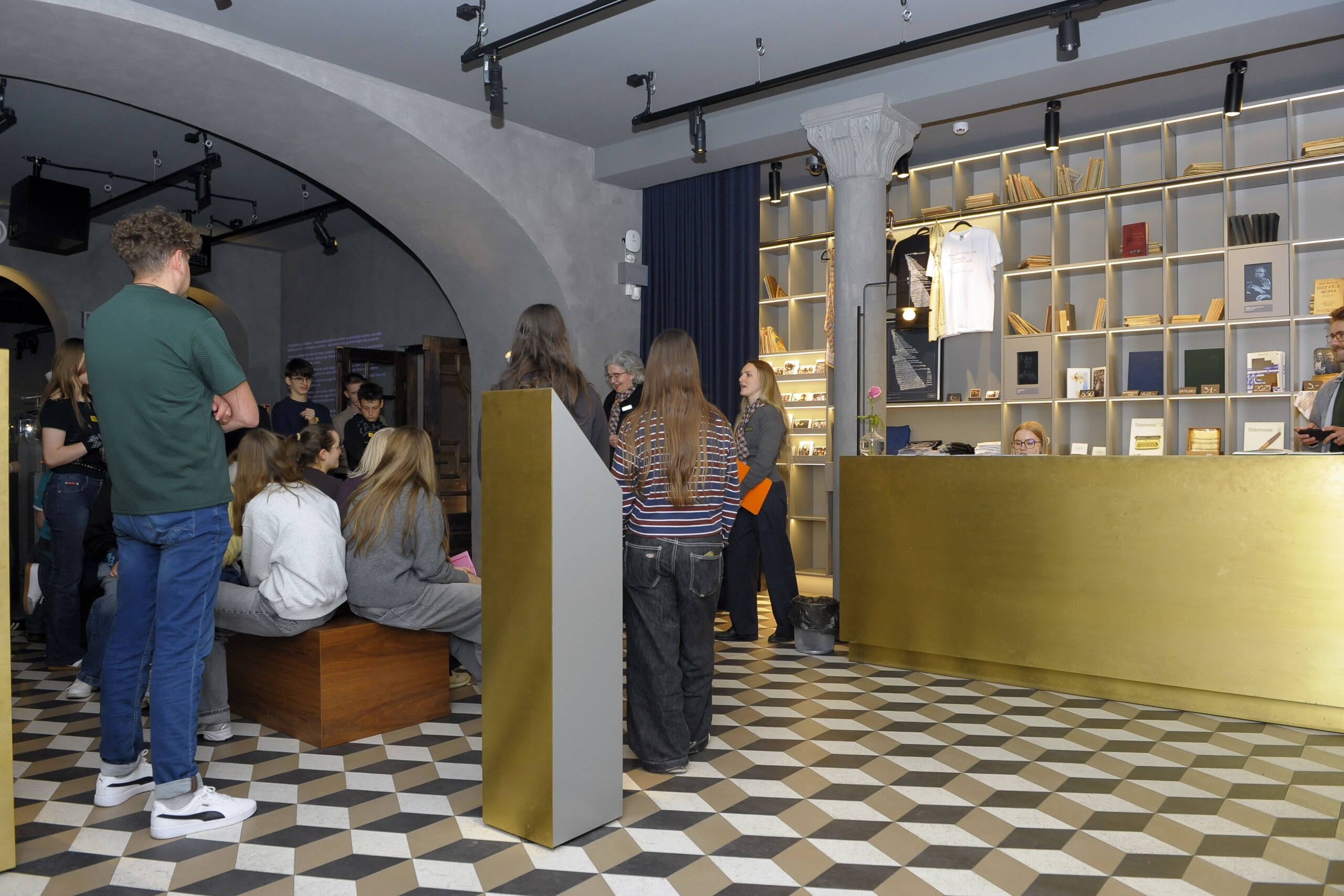
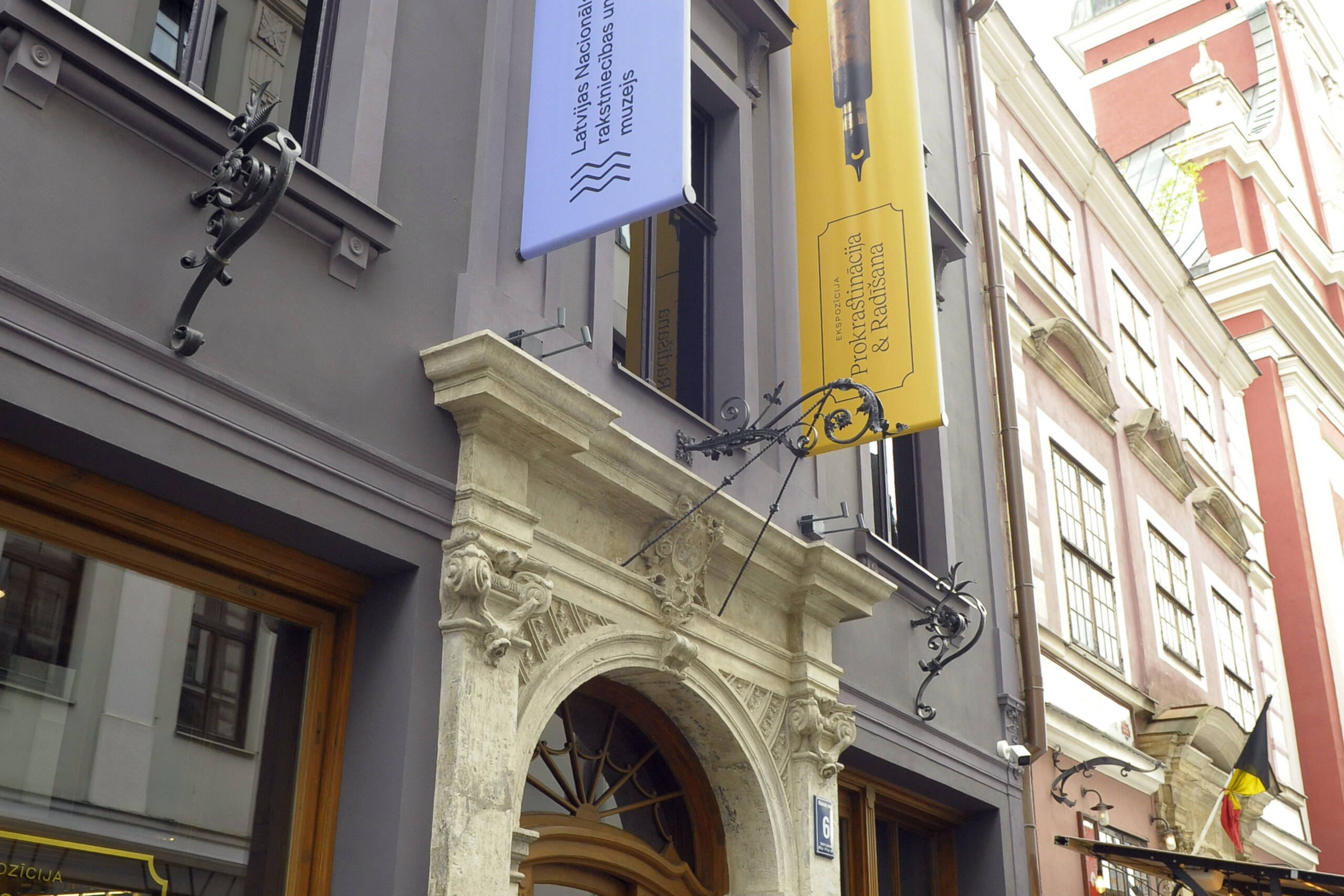
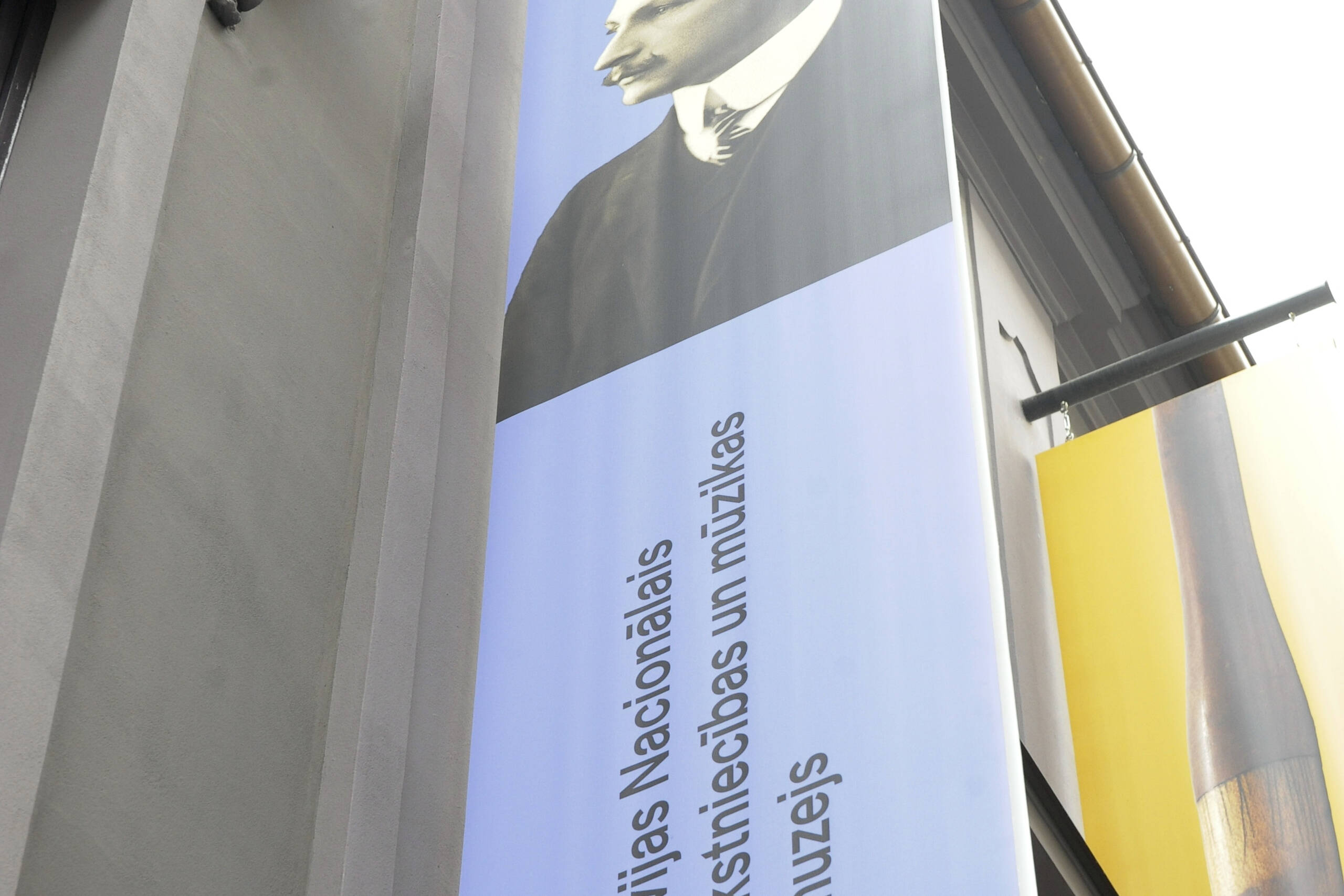
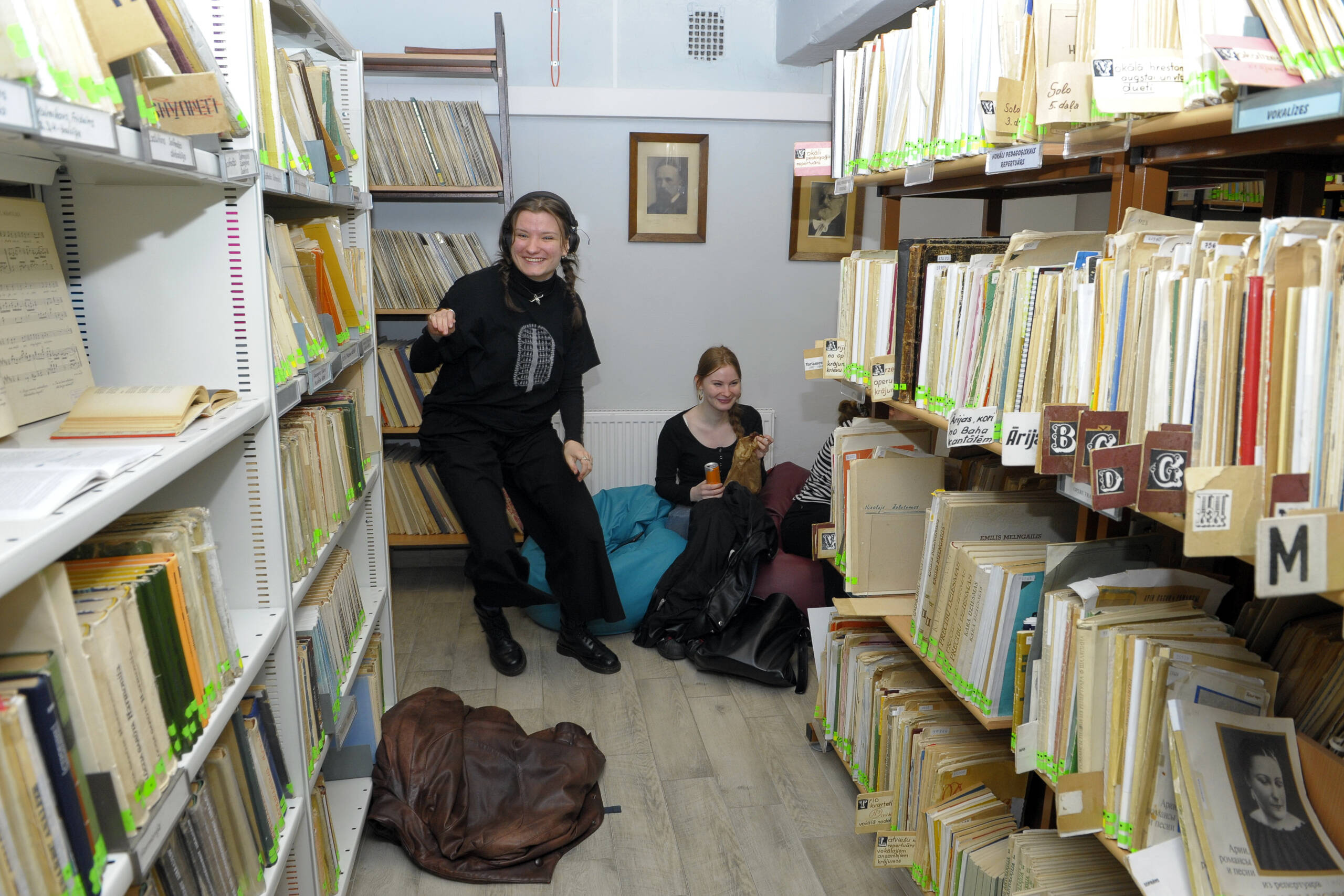
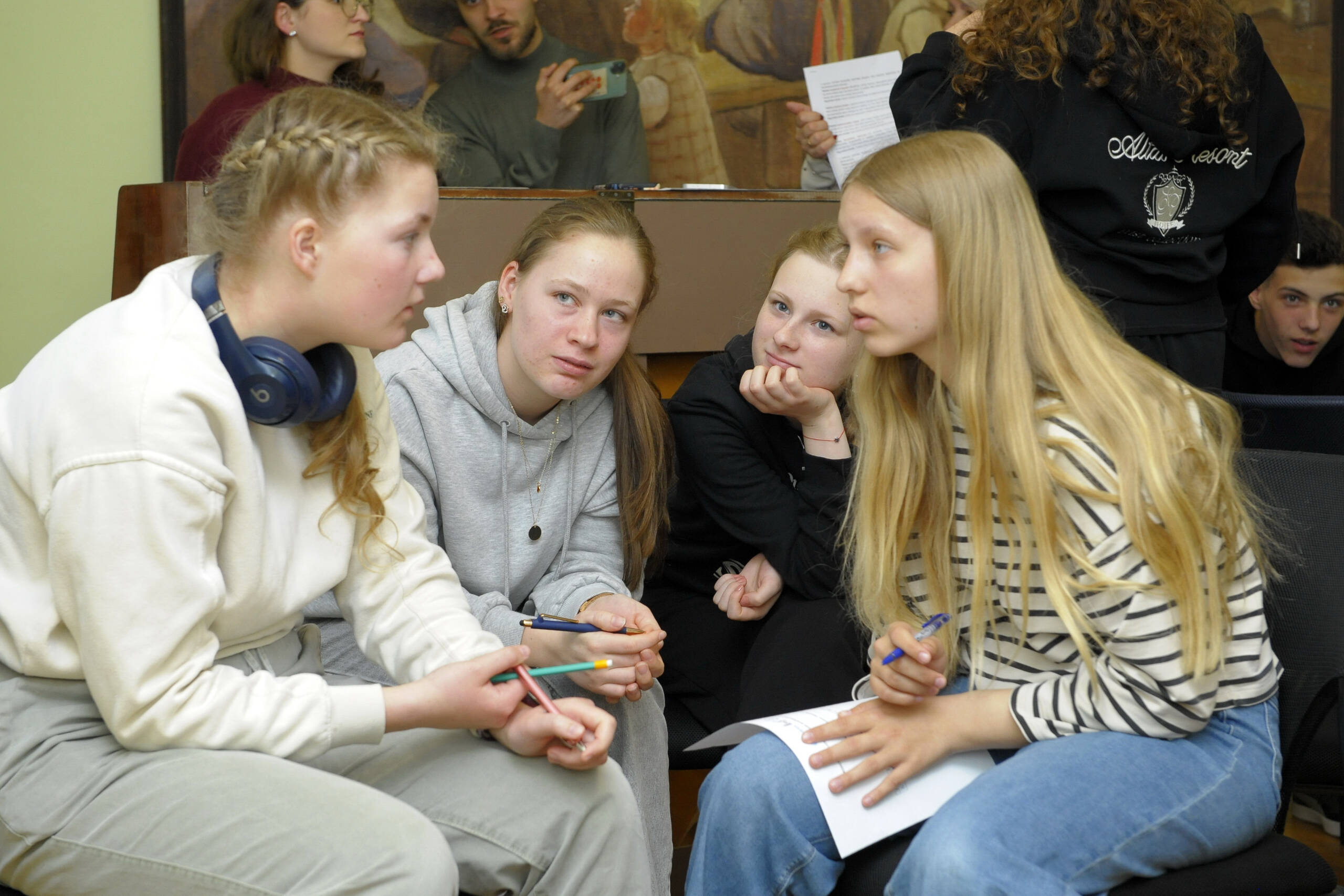
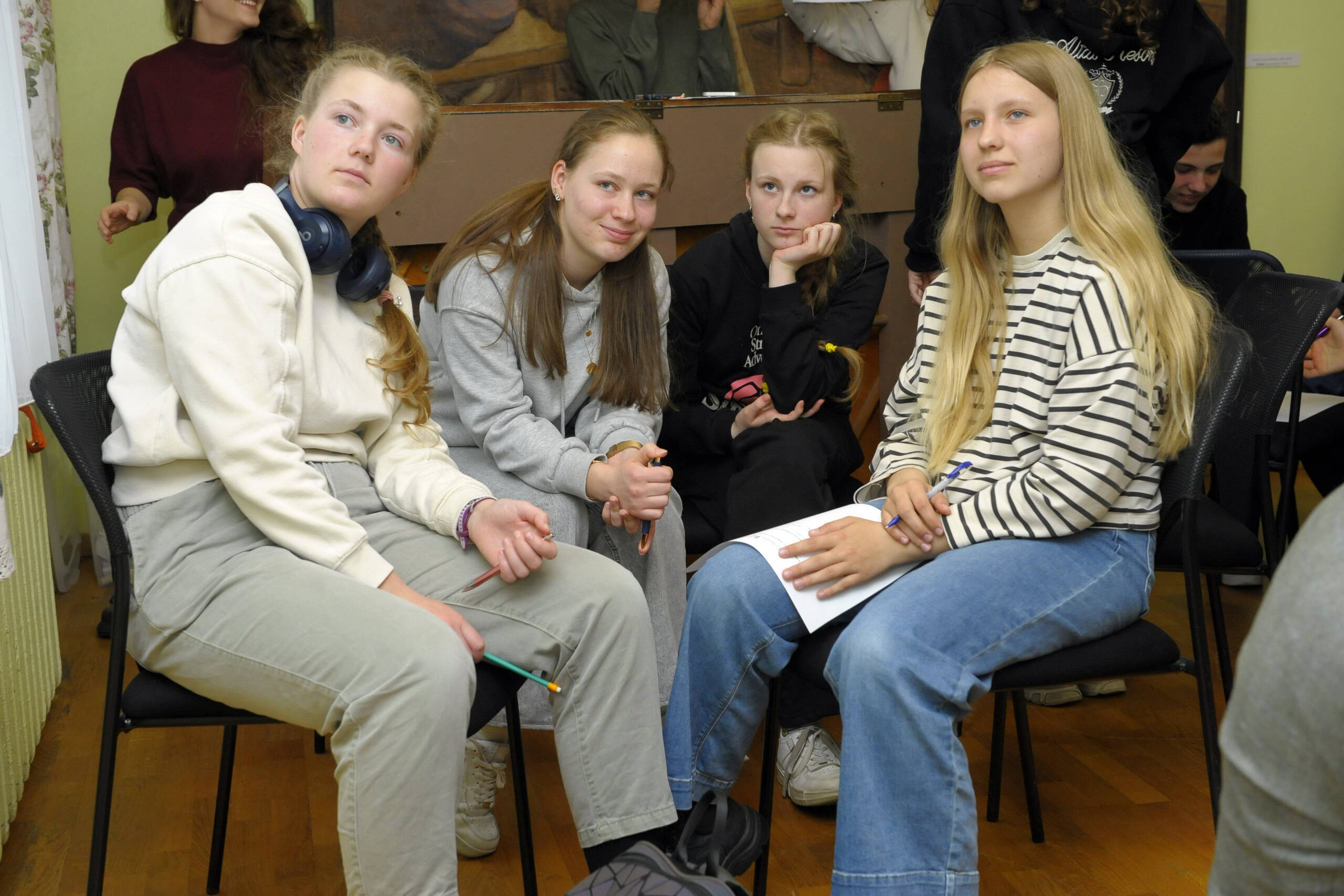
On the same day, the programme continued at the permanent exhibition “Procrastination and Creation” of the National Museum of Literature and Music in Riga. The fifth activity, “Latvian Music Creators and Their World: Composers, Ideas and Creative Personalities”, invited students to explore music creation as a living and multilayered process. In the museum environment, composers were presented not merely as names found in textbooks, but as creative personalities who lived and worked within specific historical, cultural and intellectual contexts.

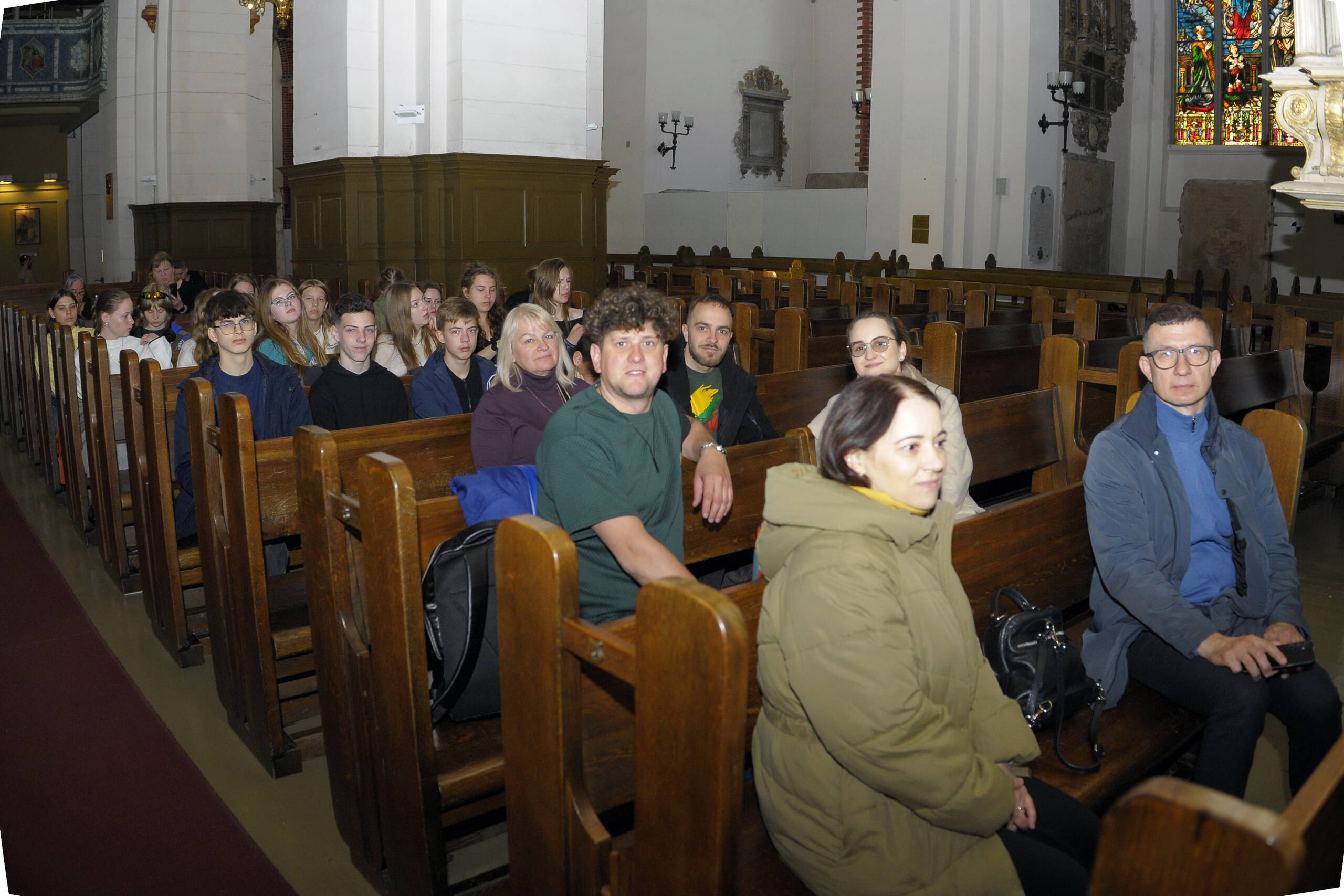
During the implementation of the project, the programme was also supplemented by an introduction to the Latvian organ music tradition. In order to reveal the diversity of Latvian musical culture more fully, students were introduced to the significance of organ music at Riga Cathedral. The organ of Riga Cathedral is one of the most remarkable elements of the city’s musical heritage, while the regularly organised short daytime concerts “Concerto Piccolo” offer an opportunity to experience the sound of the organ in an authentic sacred space. This additional activity broadened the content of the project and enabled students to discover Latvian music not only through folk, choral and compositional traditions, but also through the historical culture of organ music.
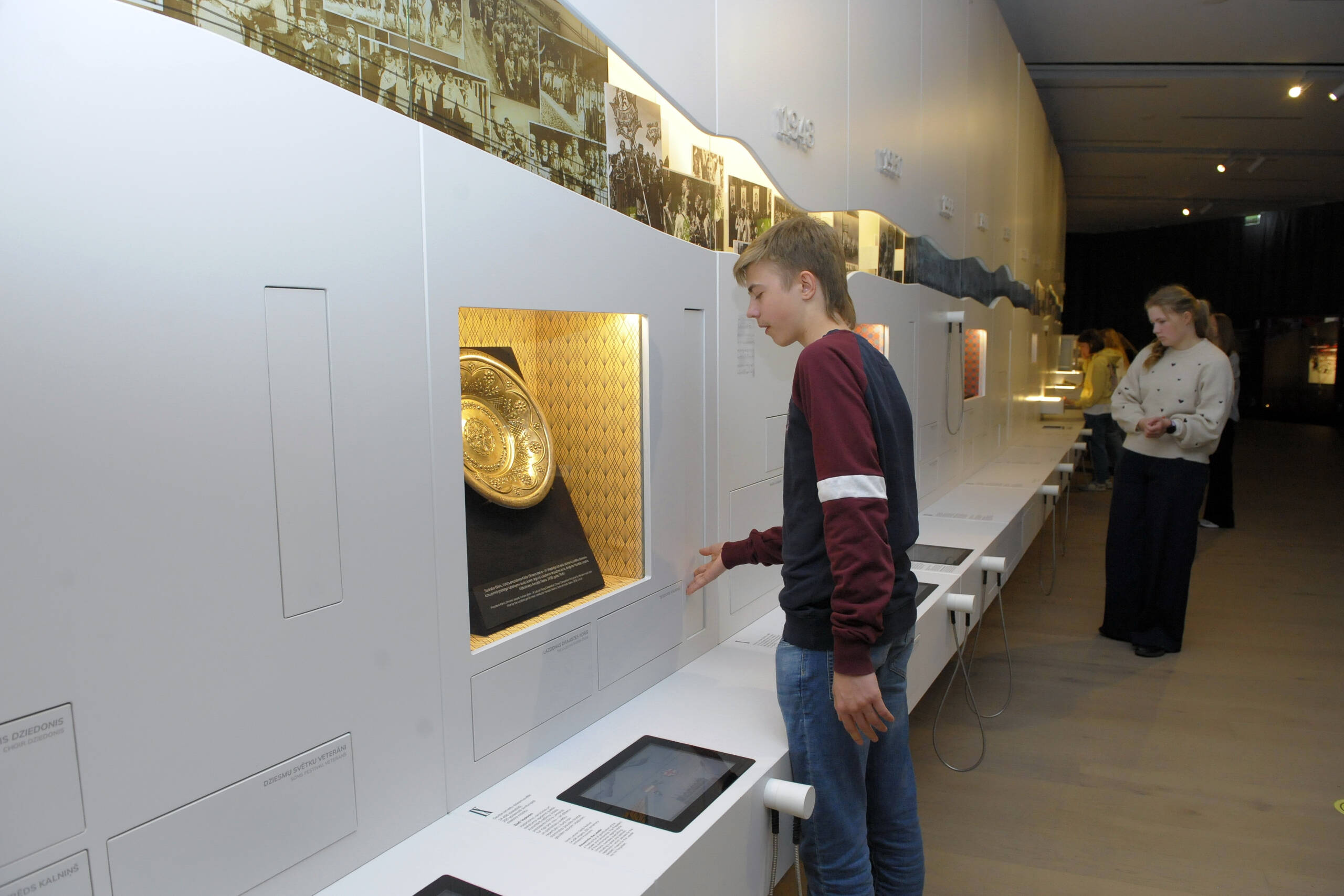
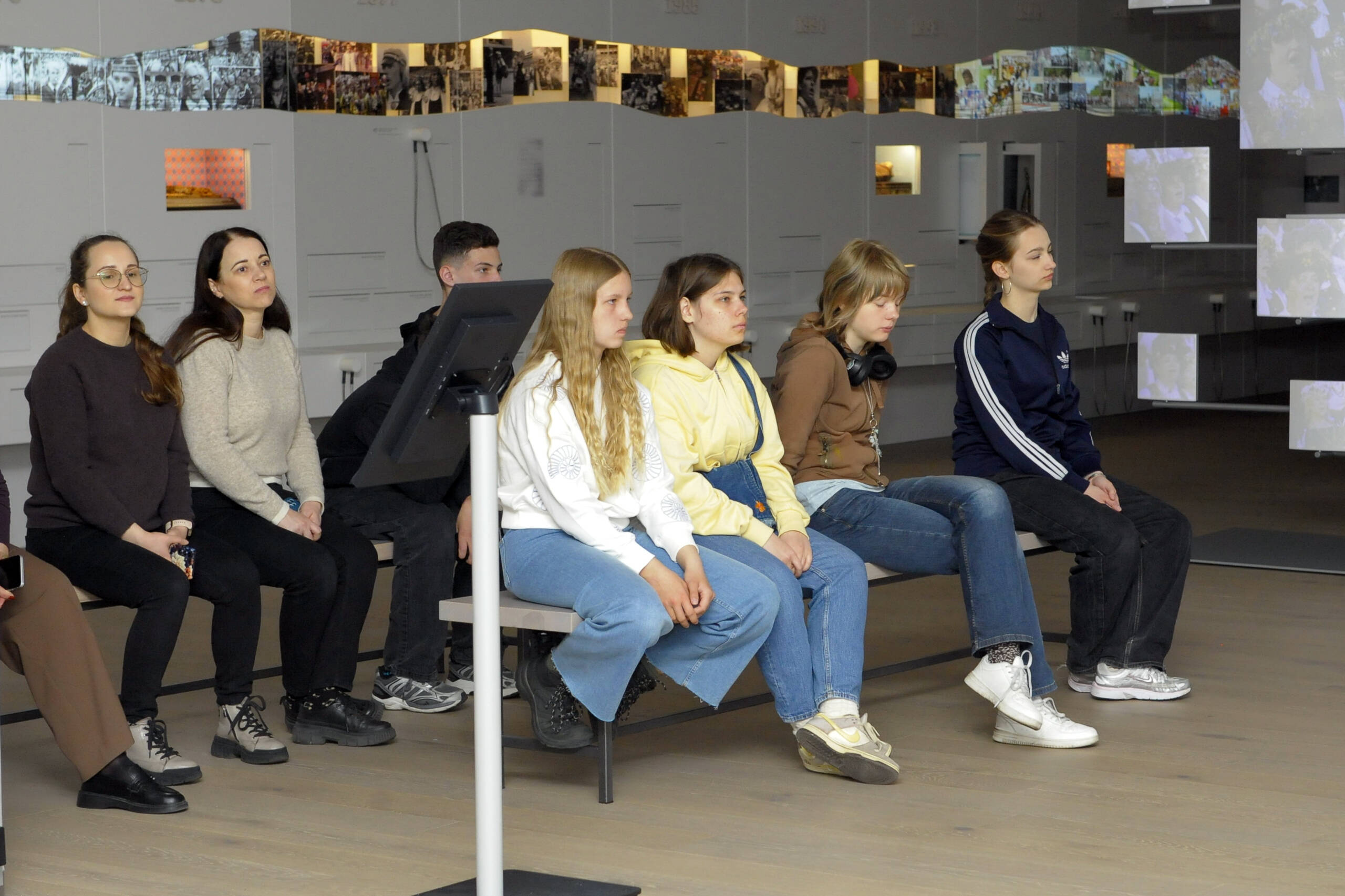
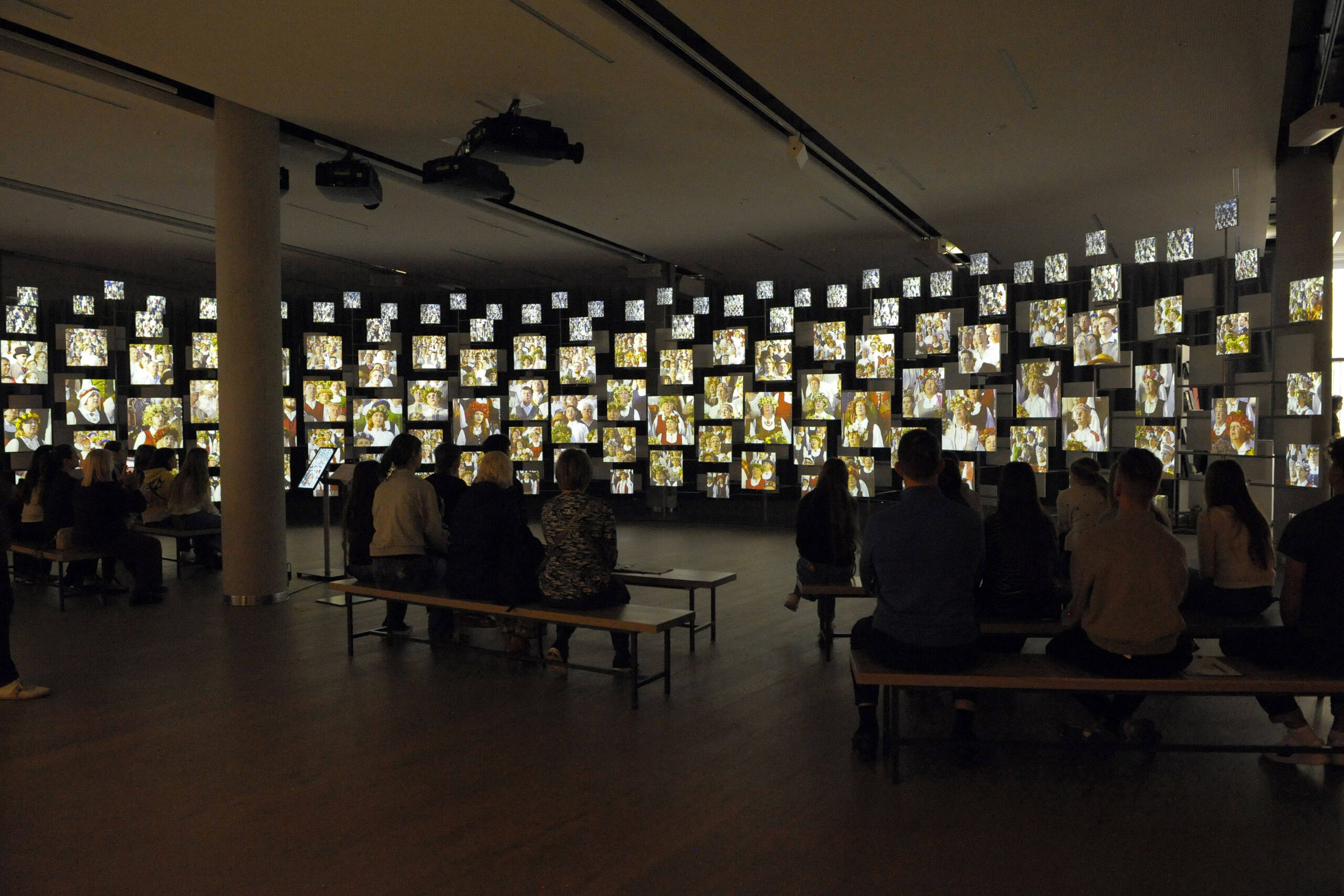
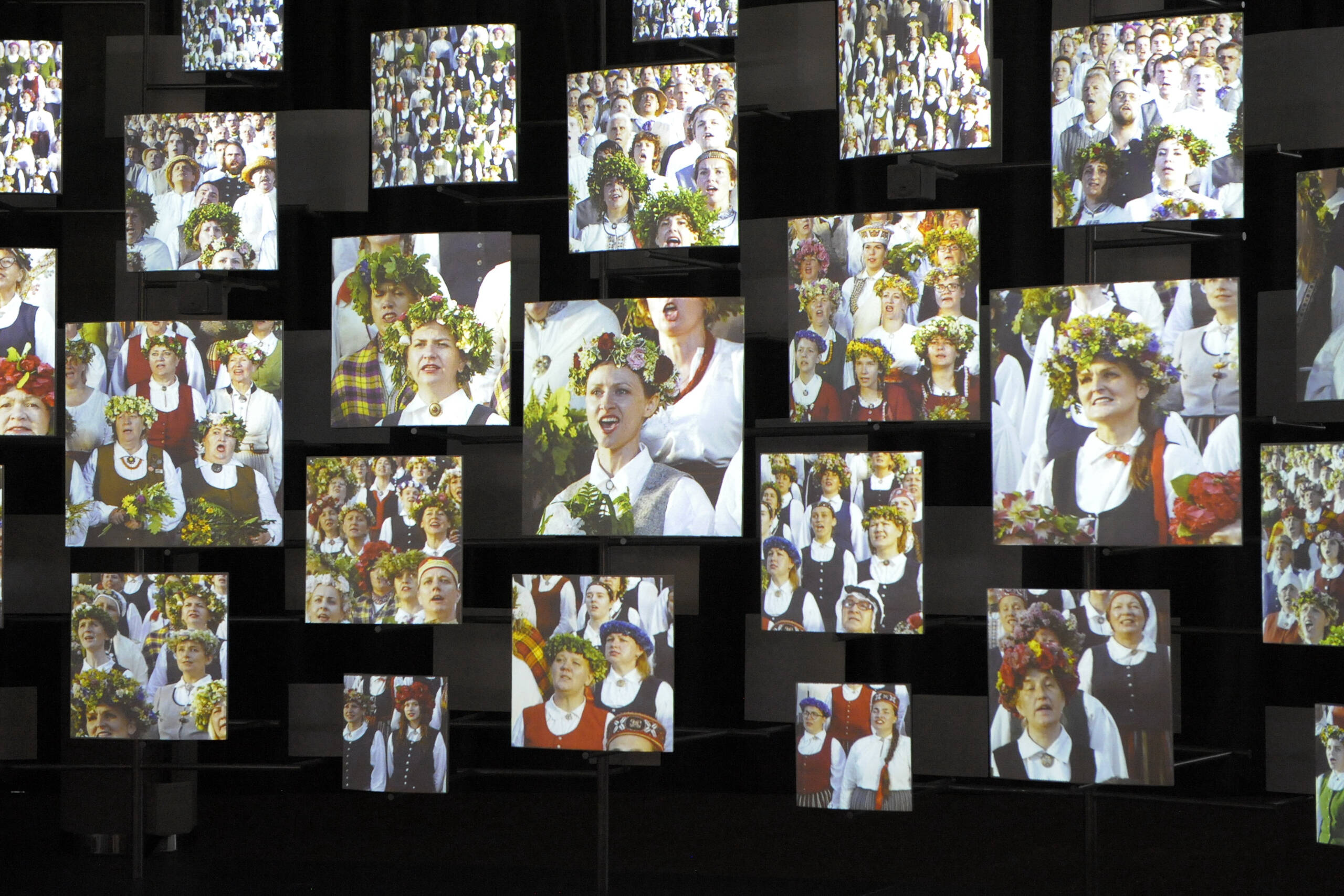
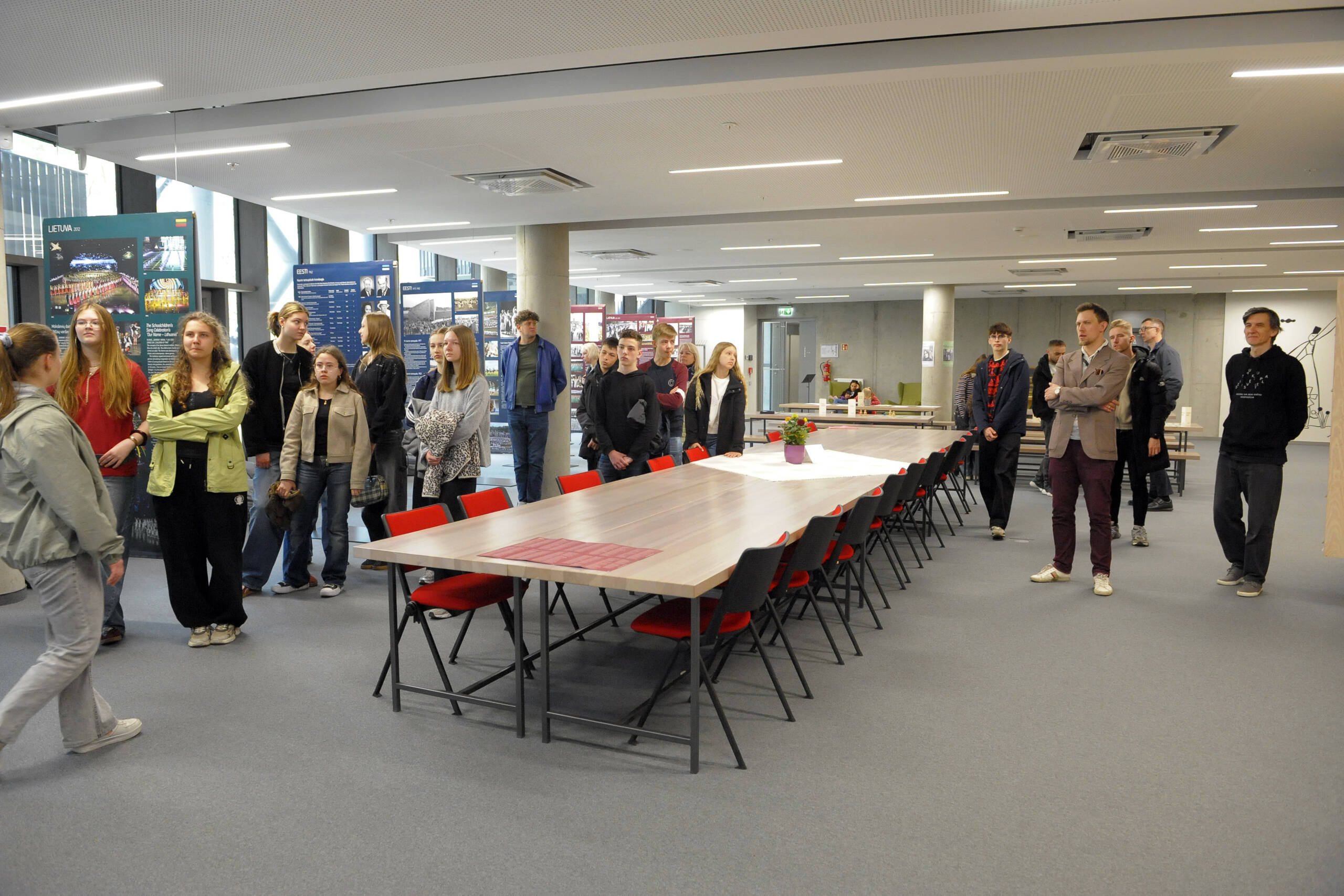
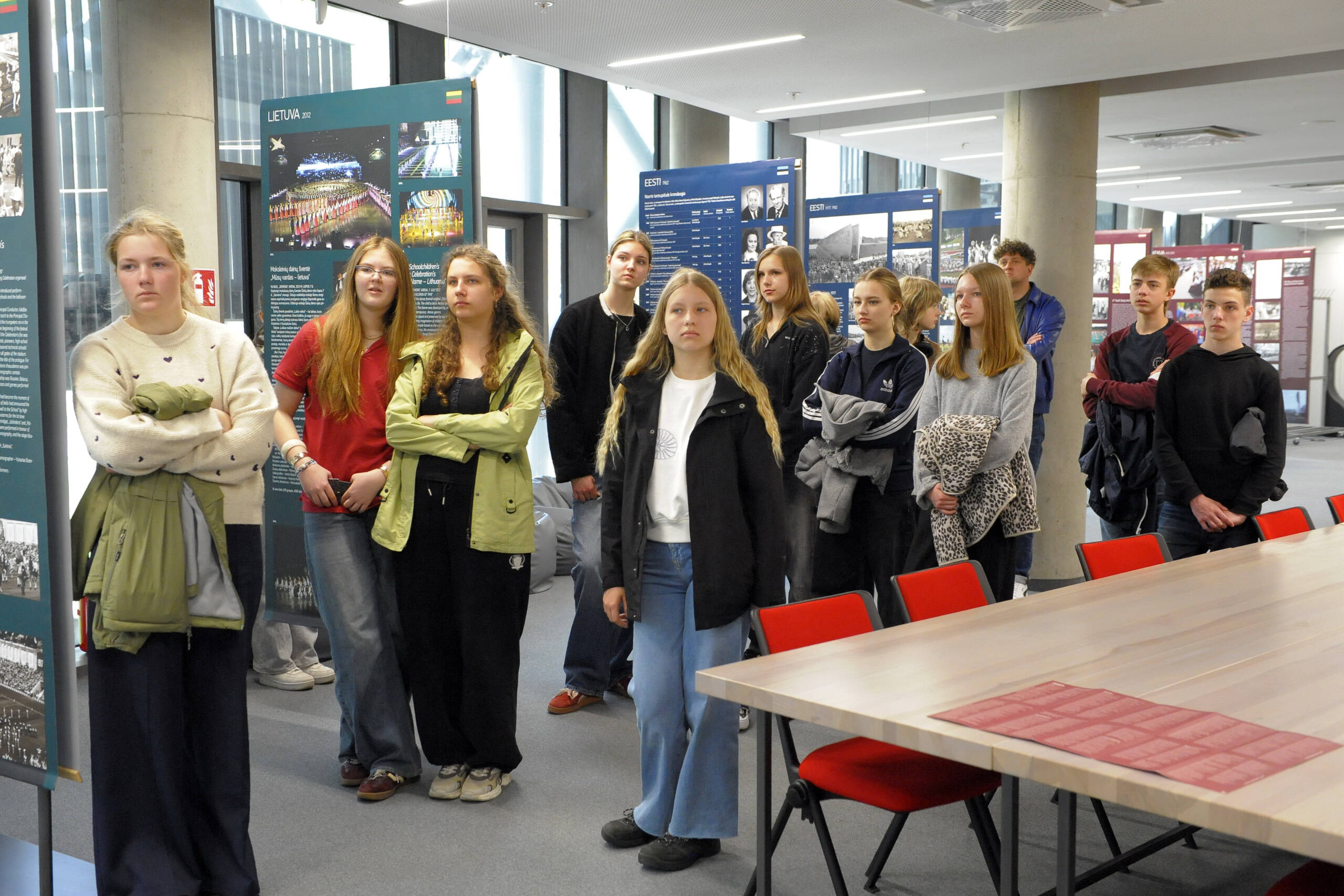
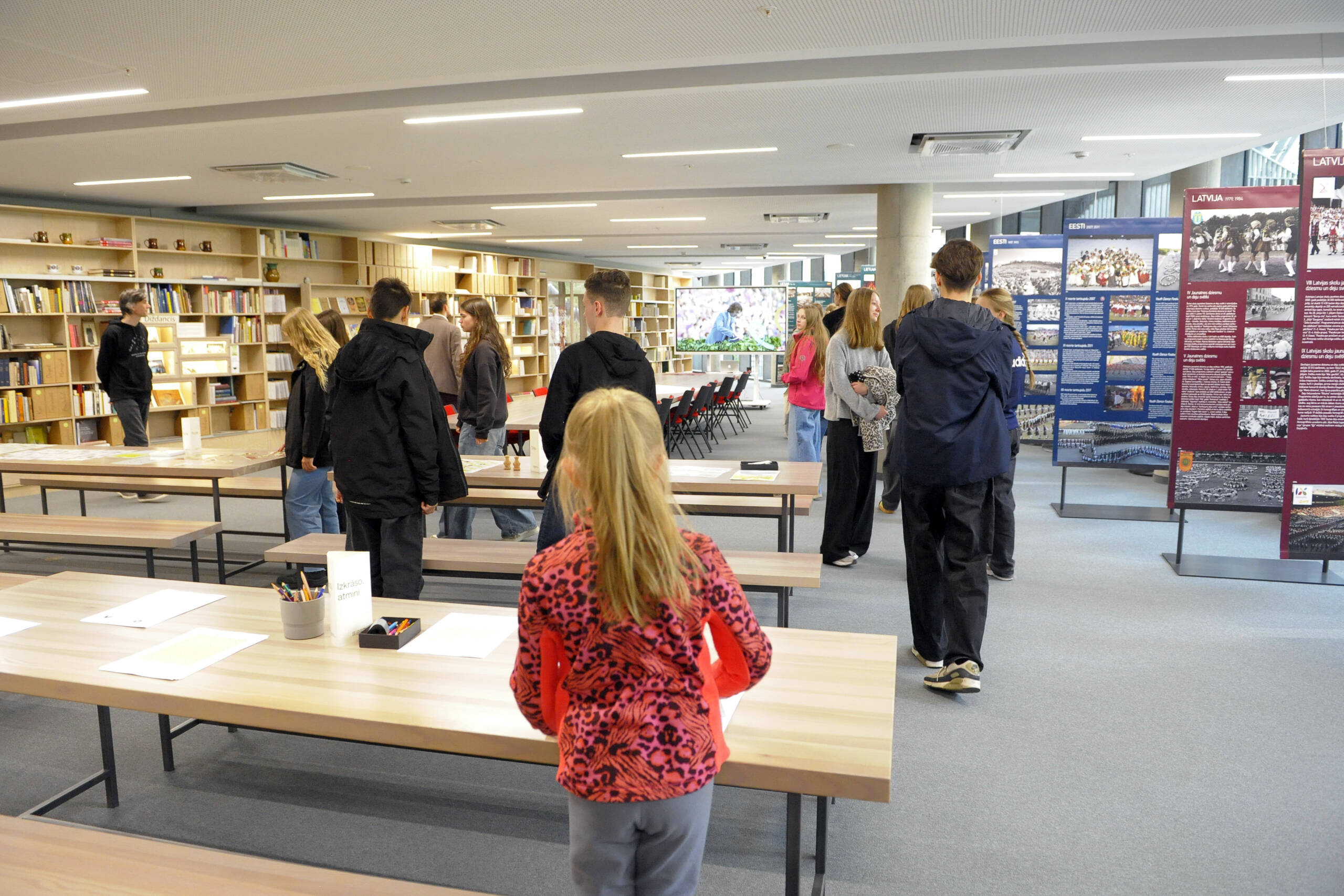
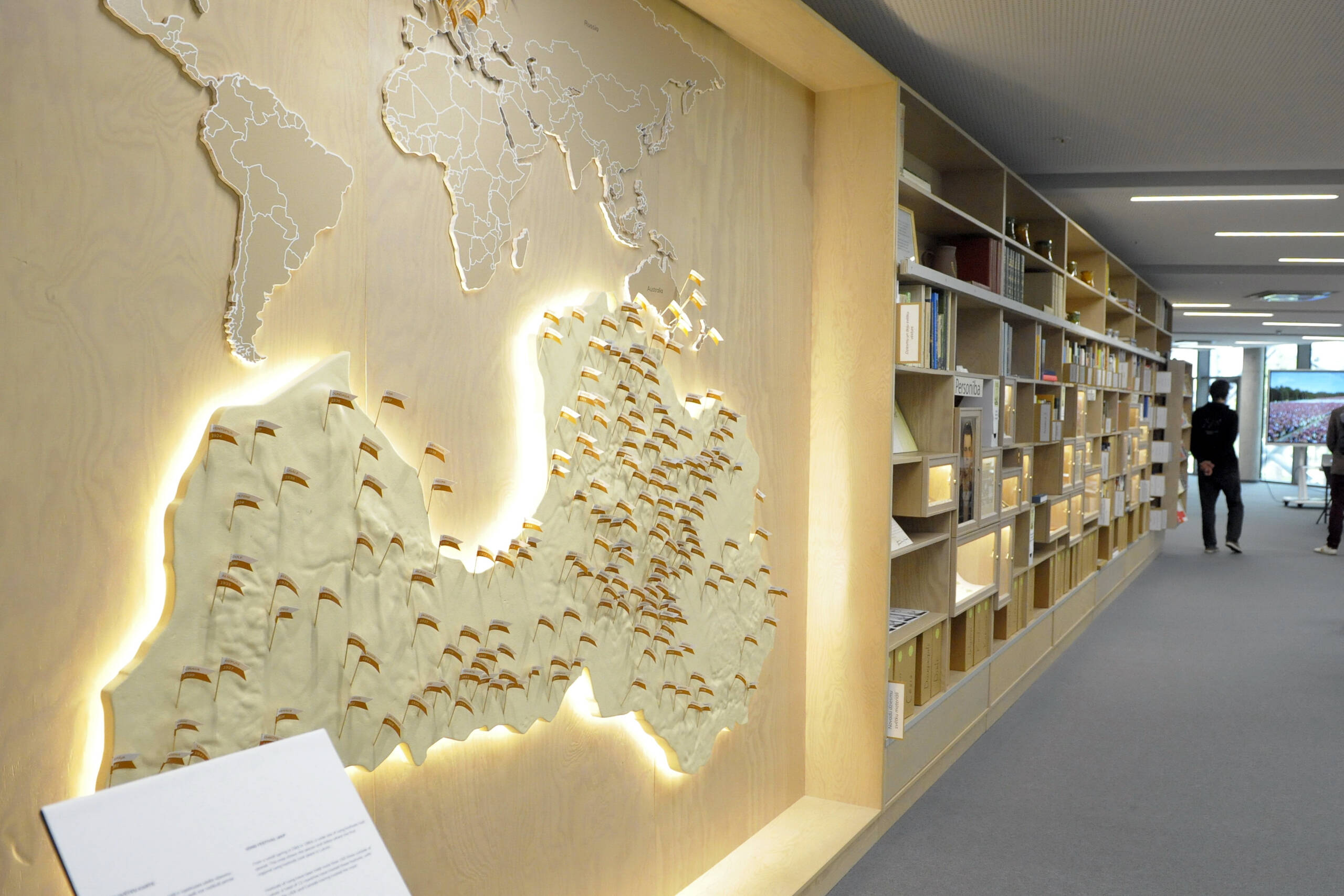
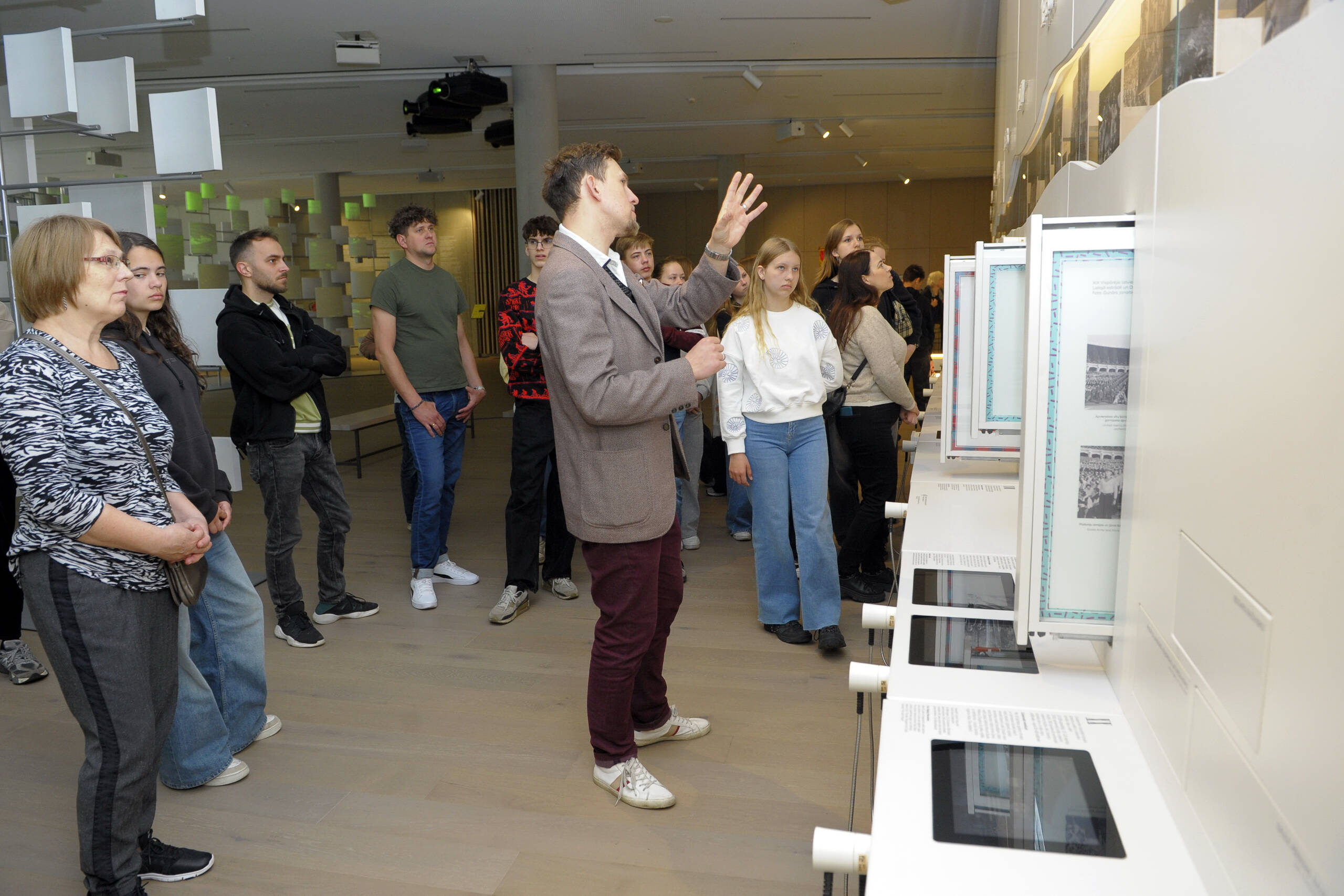
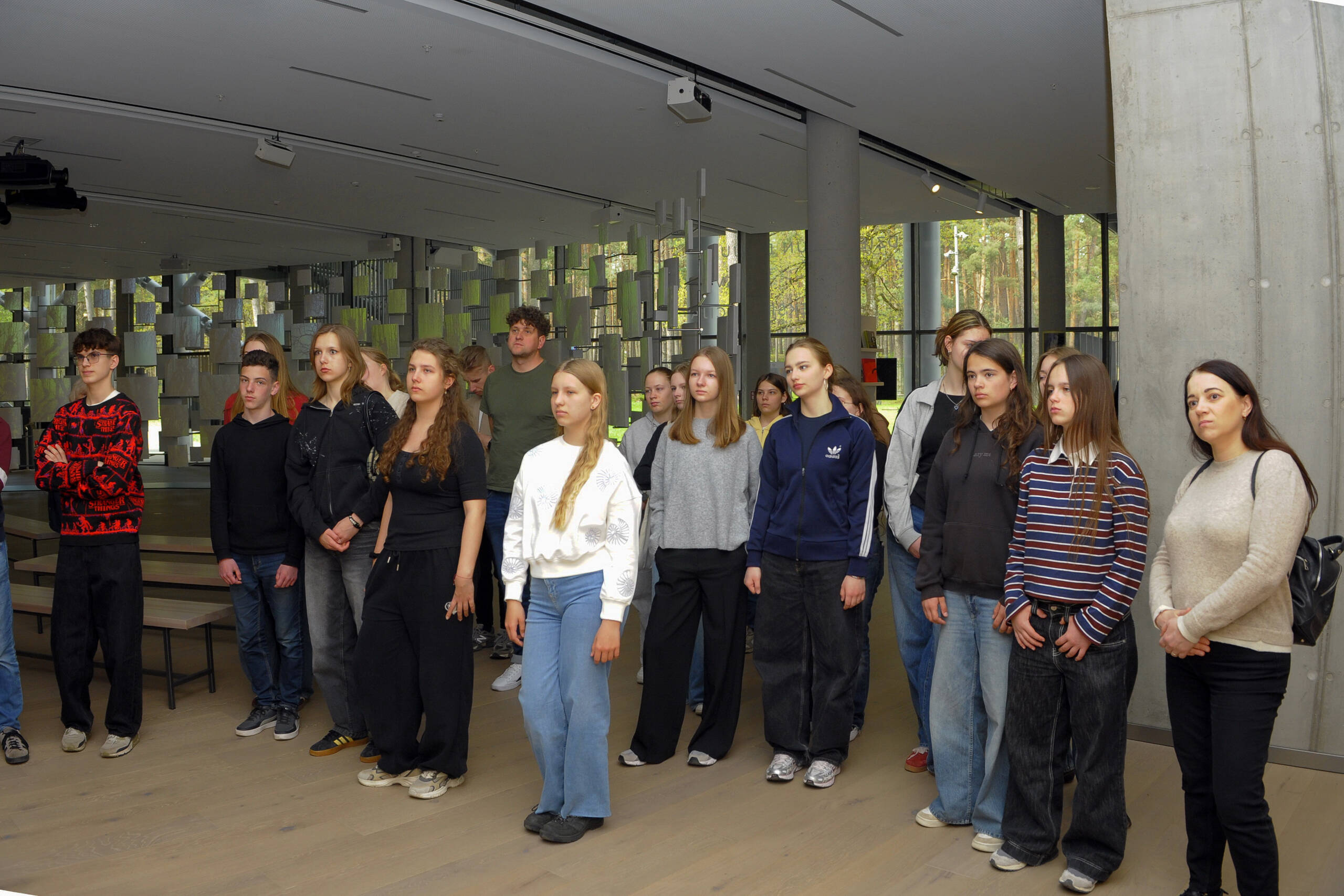
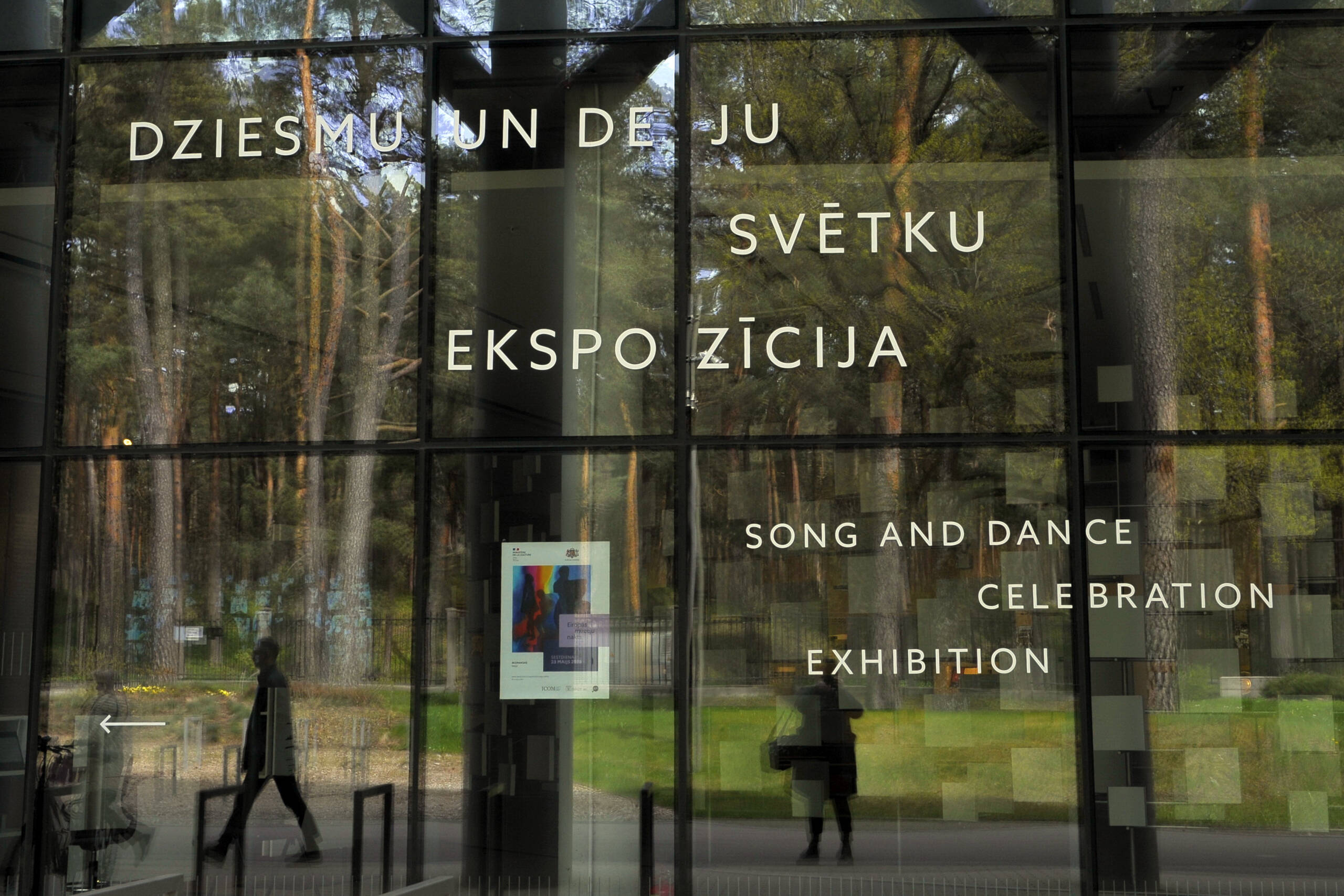
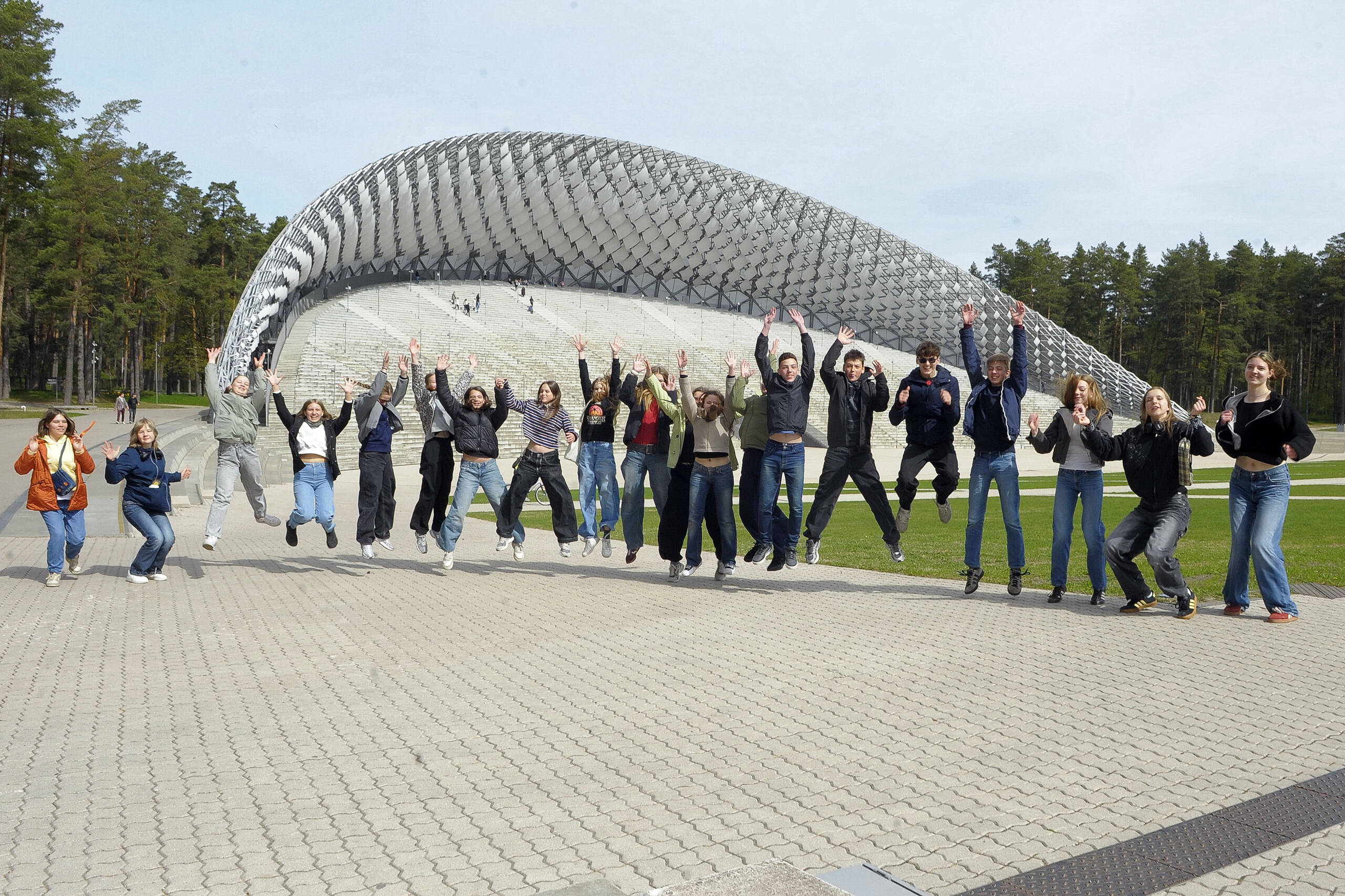
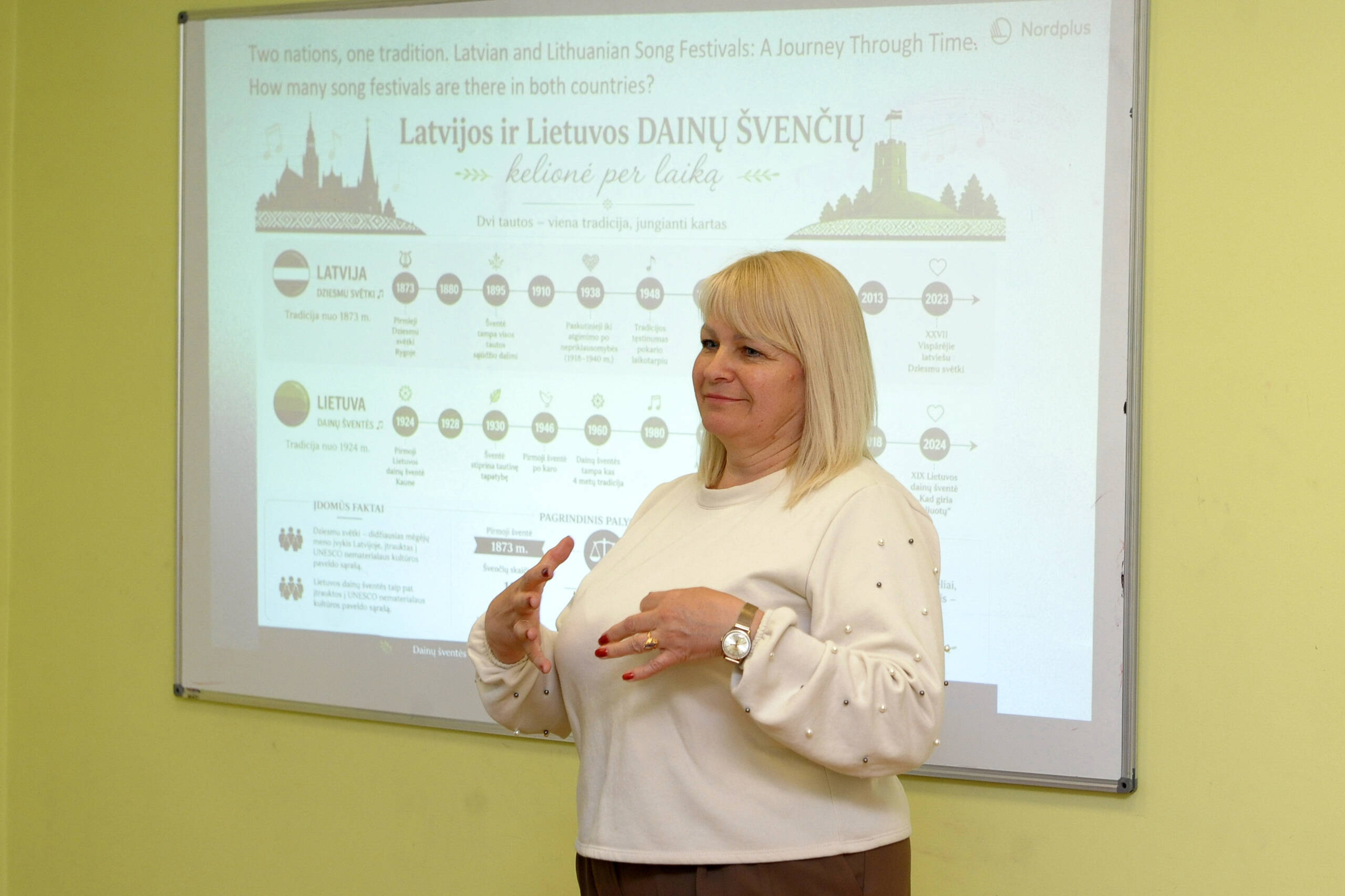
The third day of the project, 9 May 2026, was dedicated to one of the most important phenomena of Latvian culture – the Song Celebration tradition. The project participants visited the permanent exhibition “SongSpace” of the National Museum of Literature and Music in Mežaparks. The sixth project activity, “The Journey of Latvian Song: From Folk Singing to the Song Celebration Tradition”, took place there. Students learned how folk song, the choral movement and communal singing developed into one of the most significant symbols of Latvian national culture.
The visit to the “SongSpace” exhibition helped students understand that the Latvian Song Celebration is not merely a concert or a festival, but a long-standing cultural tradition that brings together different generations, regions, choirs, dancers and communities. This activity became a meaningful culmination of the entire trip: from the origins of musical identity discussed on the first day, the students moved step by step towards the living Song Celebration tradition, which continues to unite Latvian society today.
The project programme was also complemented by an introduction to Riga Old Town. This activity allowed the themes of music history to be connected with the broader cultural, architectural and historical context of the city. In this way, Latvian musical heritage was explored in close connection with the places in which it developed, resonated and became part of the country’s cultural identity.
Following the implementation of the project activities, the experiential, visual and methodological material collected during the visit became the basis for the development of six sequential music history lessons.

These lessons are designed to present the development, heritage and cultural distinctiveness of Latvian music. From the 2026–2027 school year, they will be used in the music history curriculum at Kaunas 1st Music School, and the prepared material will also be made available to music history teachers and students at other Lithuanian music and art schools.
The project “From Notes to Narratives: An Interactive Study of Latvian Music” demonstrated that music history can be taught in a lively, experiential and engaging way.
Prepared by: Dr Domantas Milius, Deputy Director for Education
Photos: Janė Macevičienė, Expert Teacher