


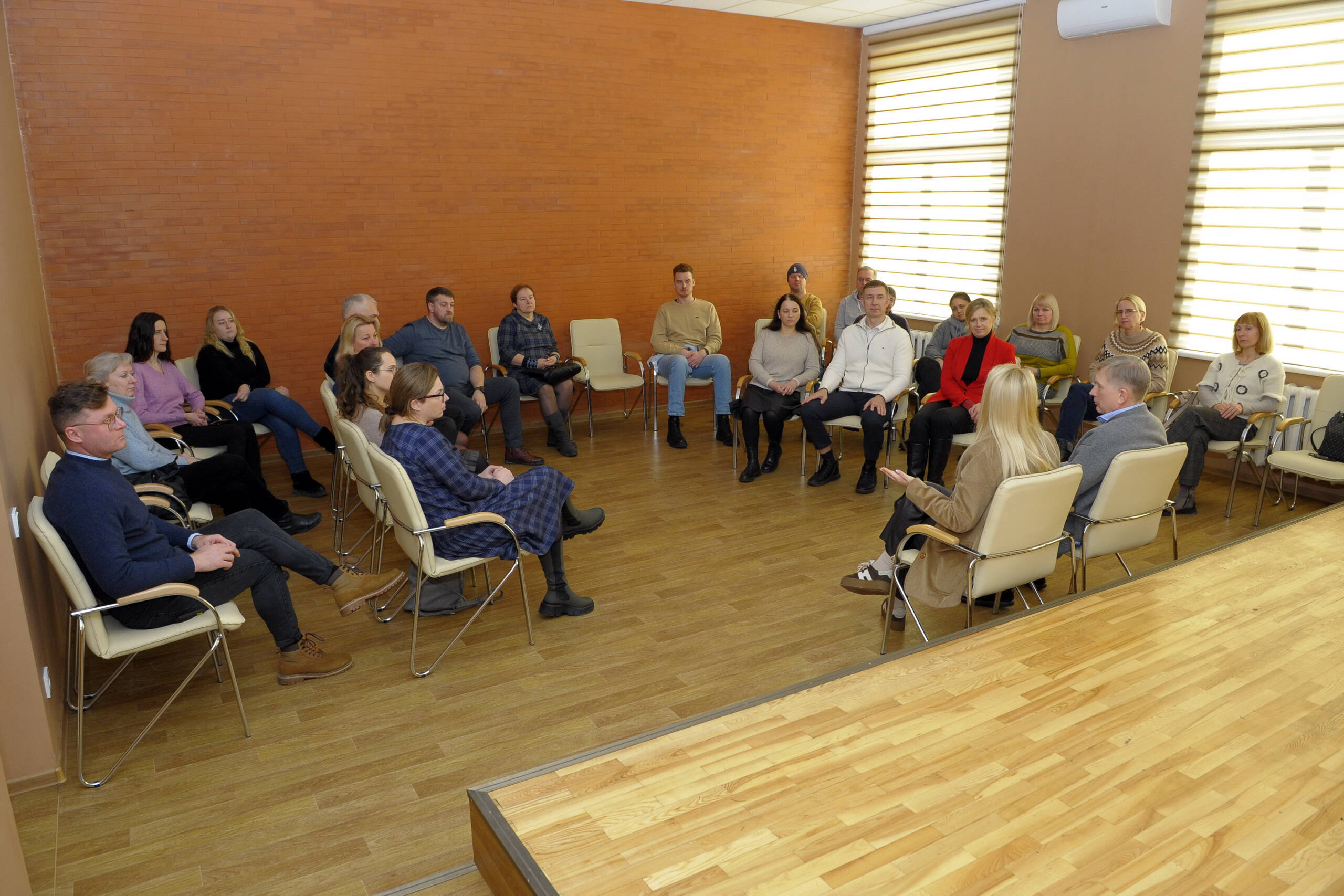
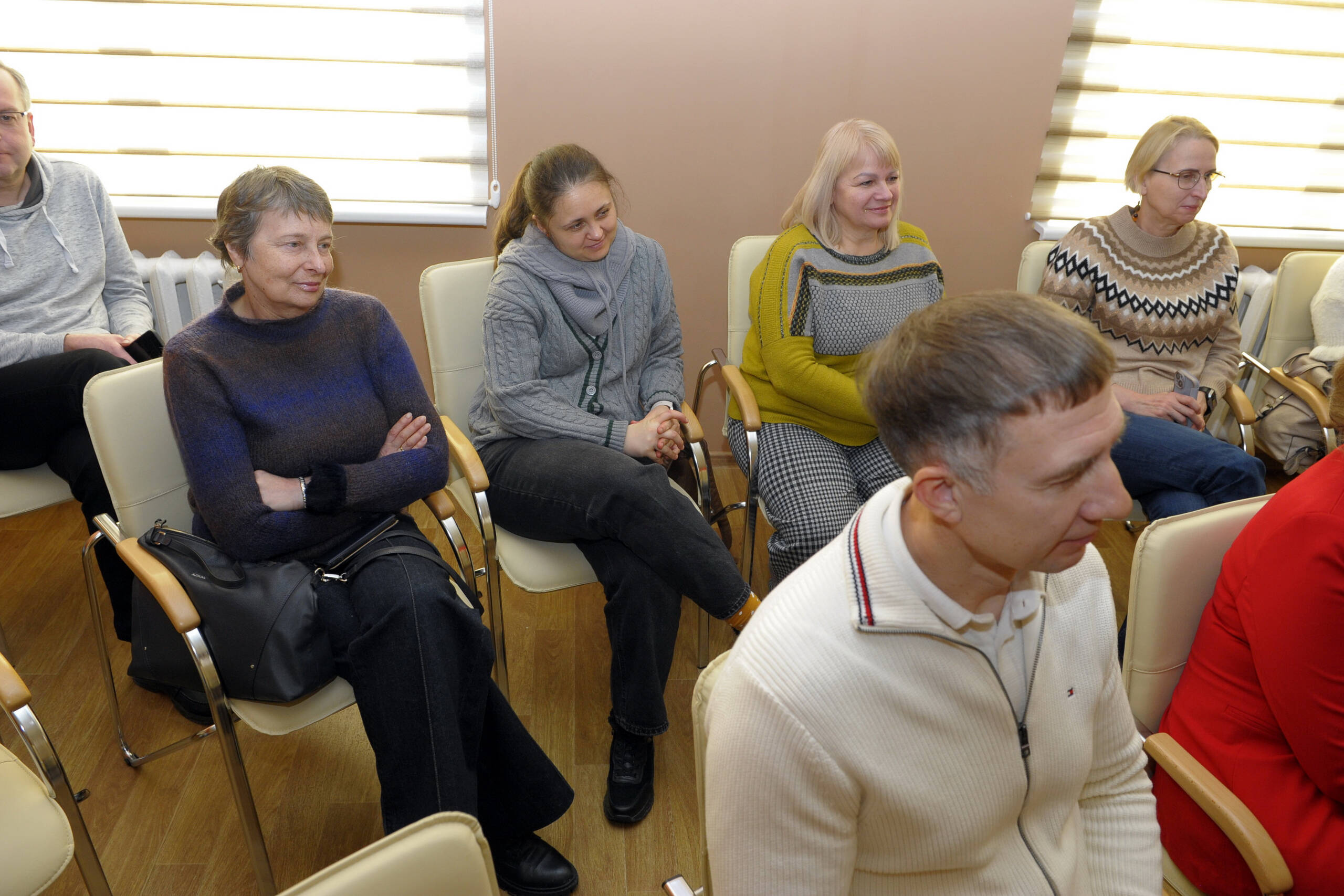
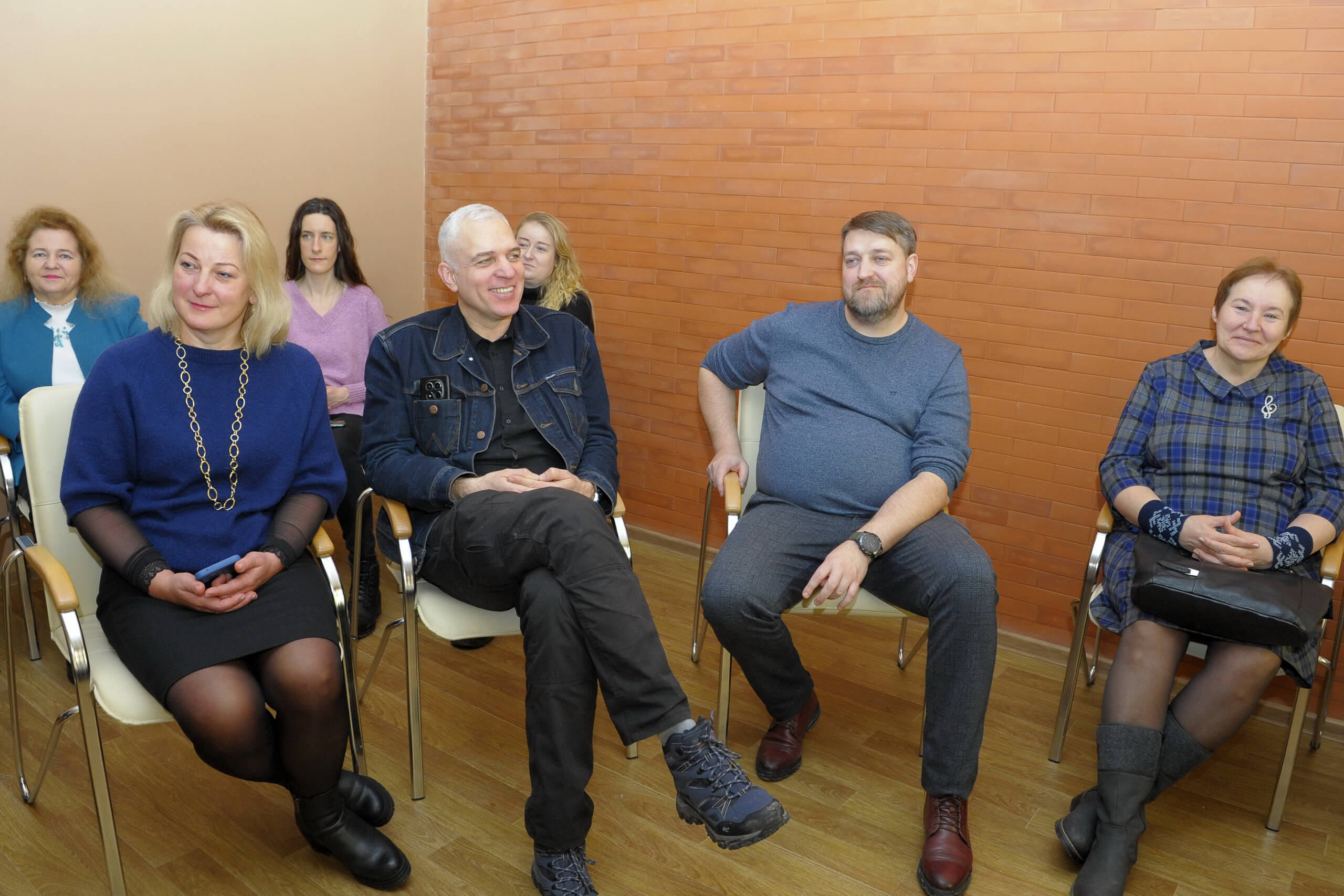
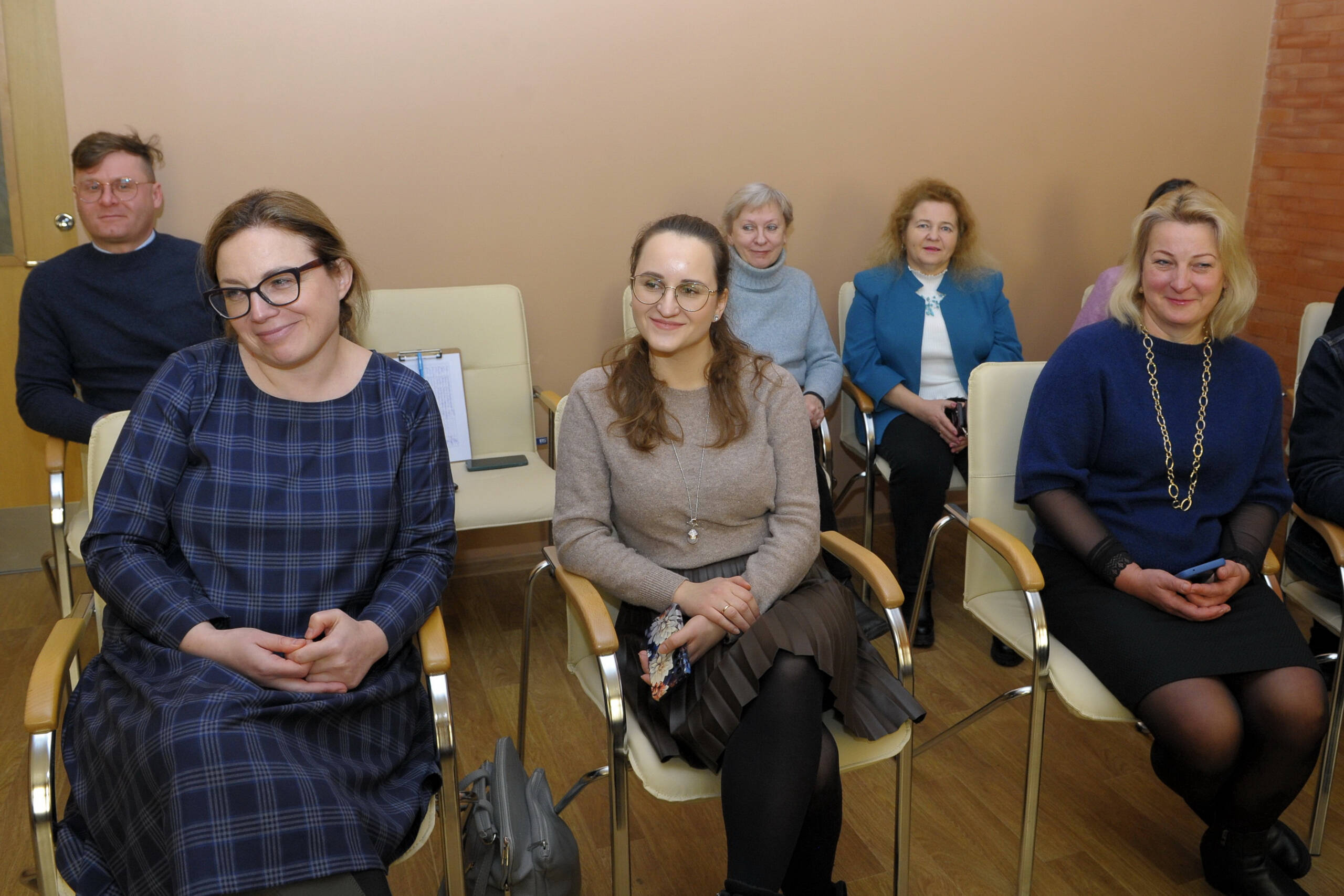
The sixth Erasmus+ discussion: experiences of music industry representatives

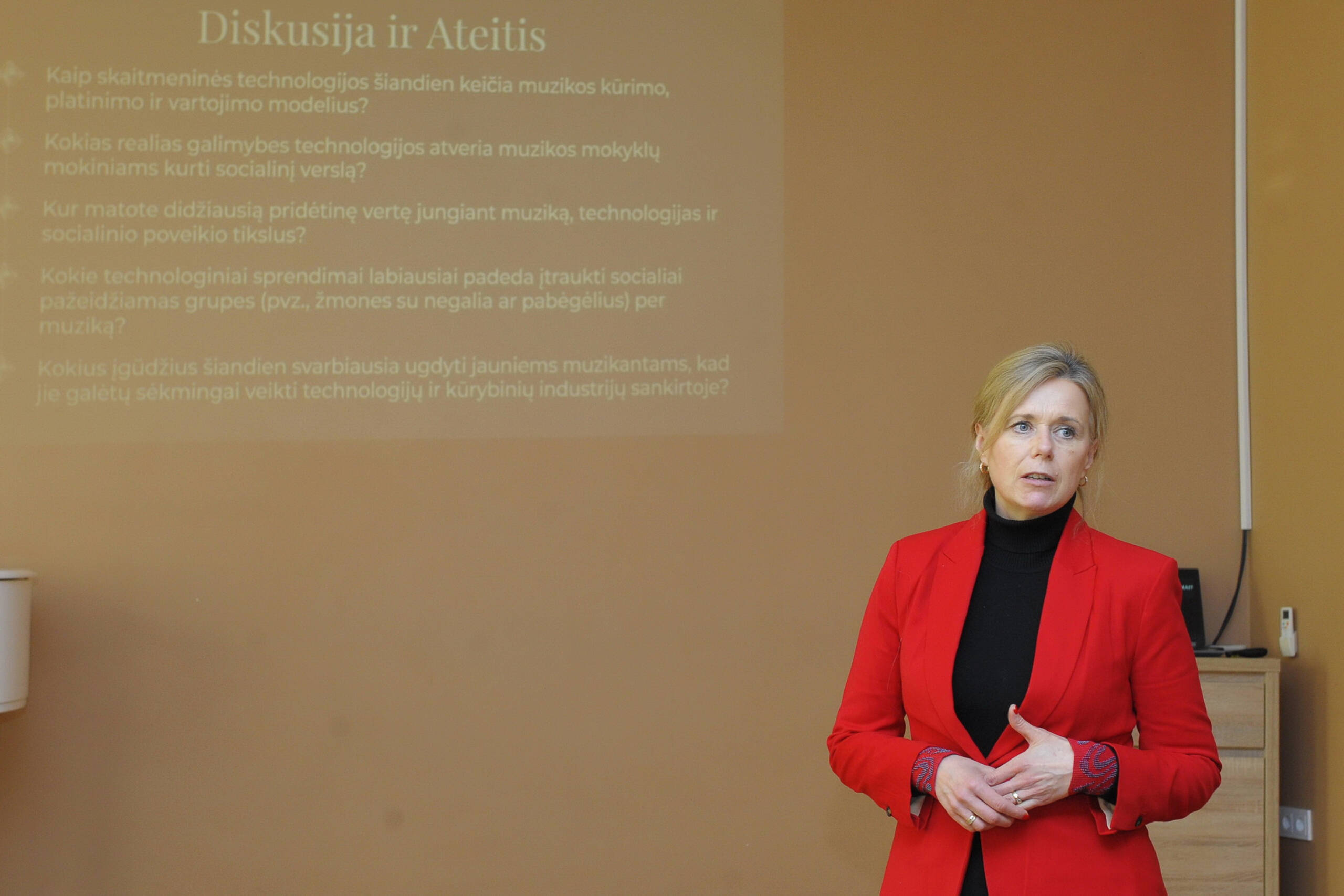
Participants stressed that contemporary musical life is inseparable from digital platforms, social networks, streaming services and even artificial intelligence tools that touch almost every stage of creation – from the initial idea to dissemination. At the same time, it was emphasised that these means are not just convenient channels or a “fast track” to a career: they also demand a new kind of responsibility. Young musicians must learn not only how to use technology, but also how to remain authentic, how to create content that has meaning and impact, rather than simply chasing short-term visibility.
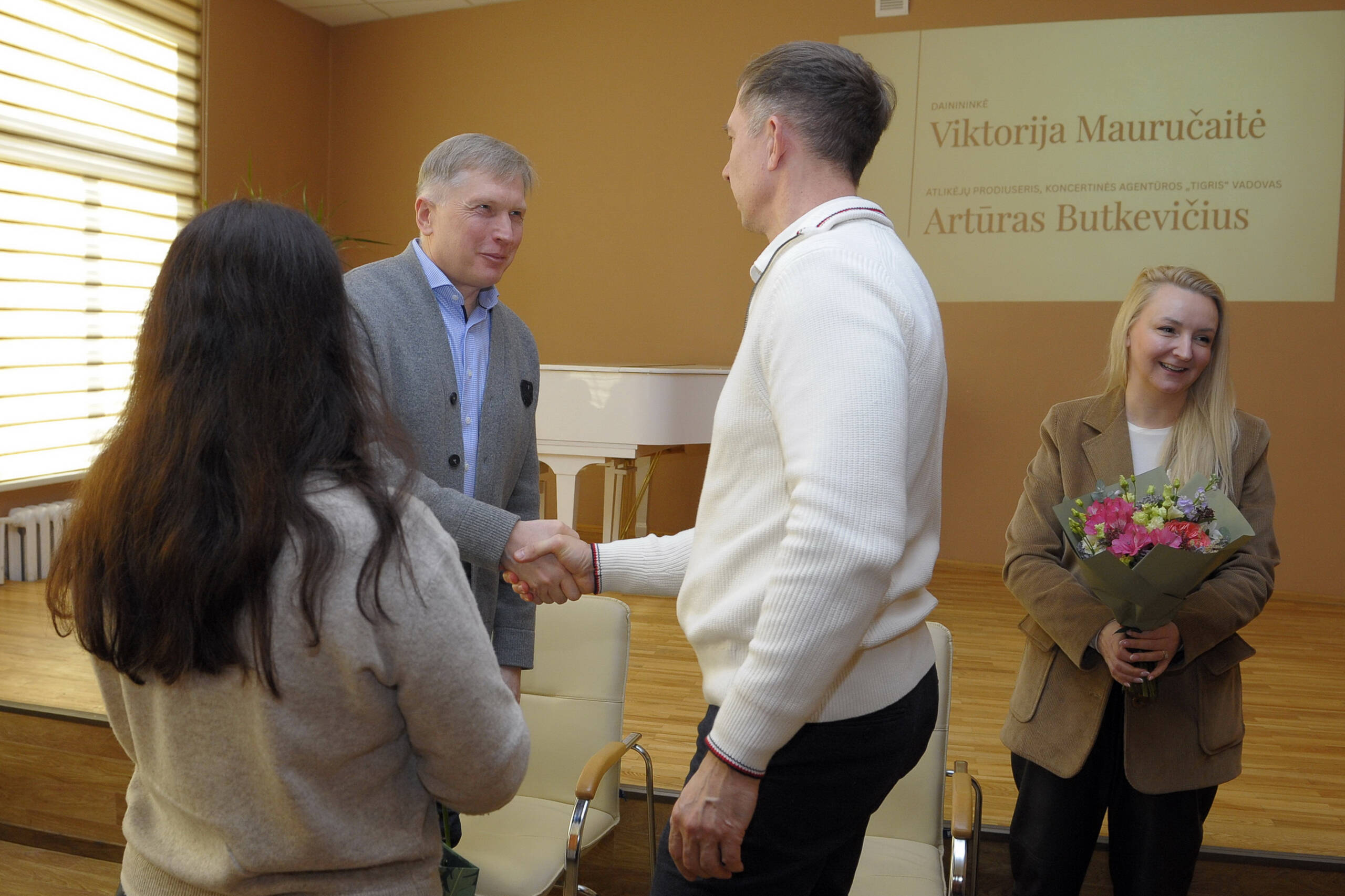
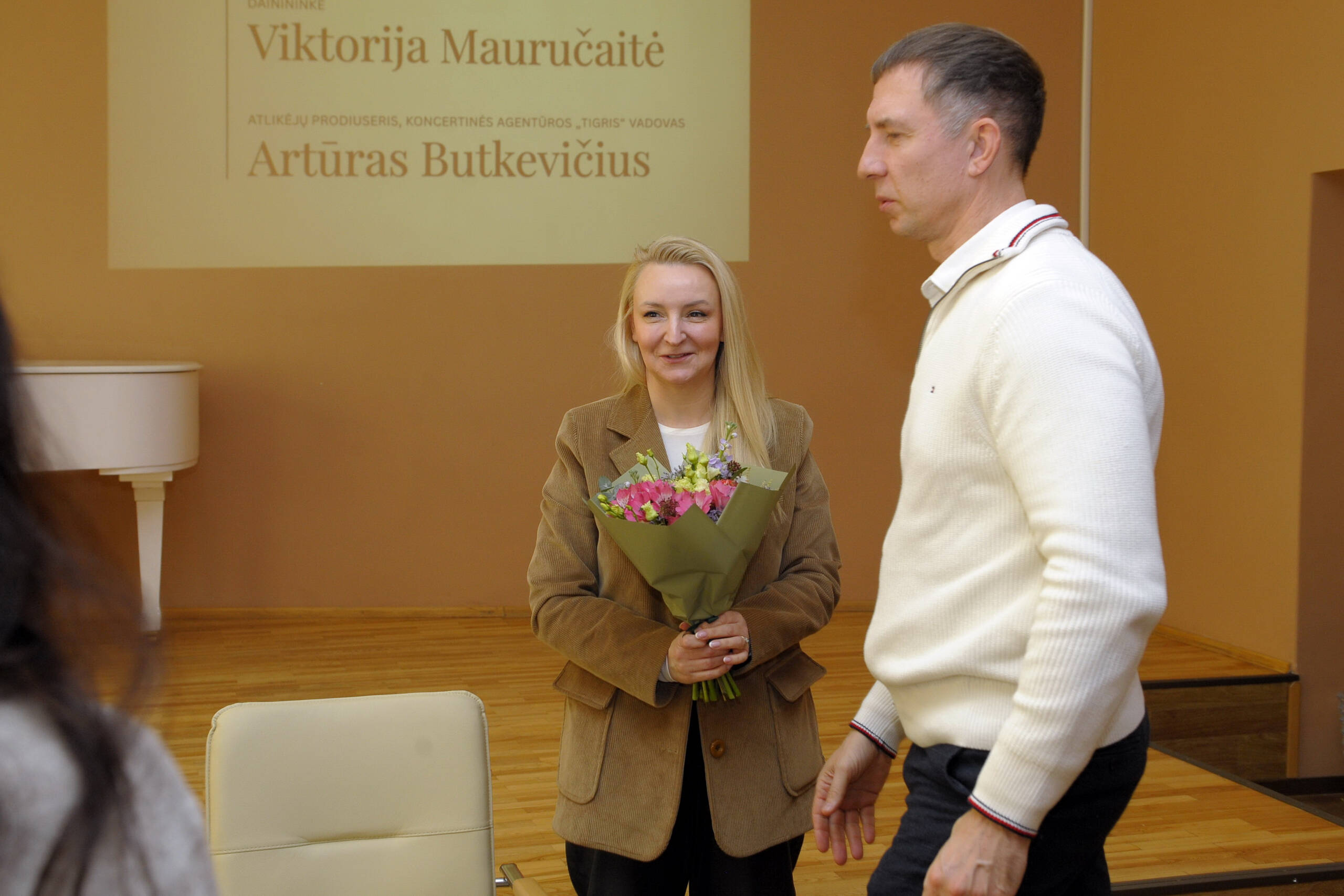
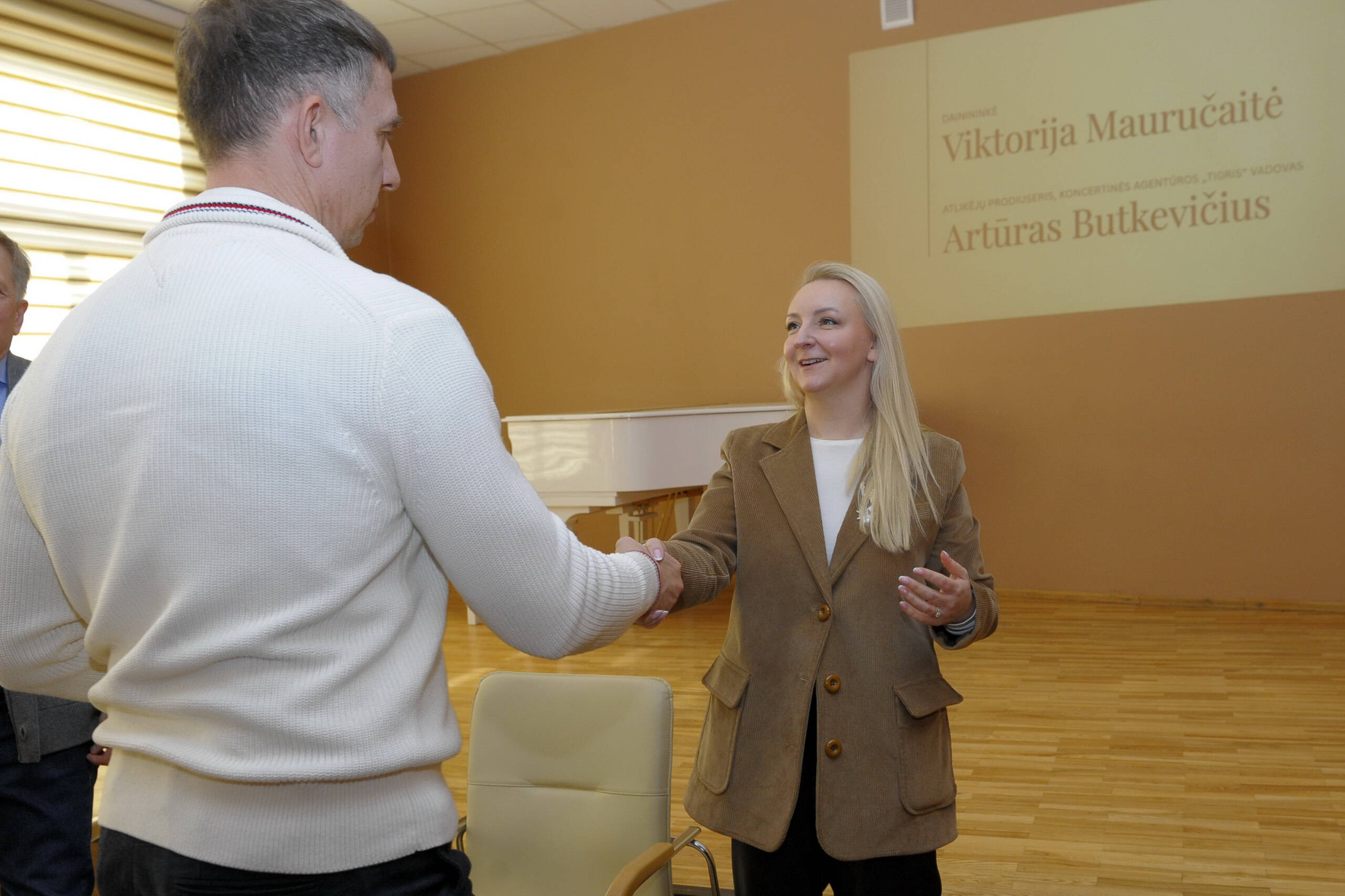
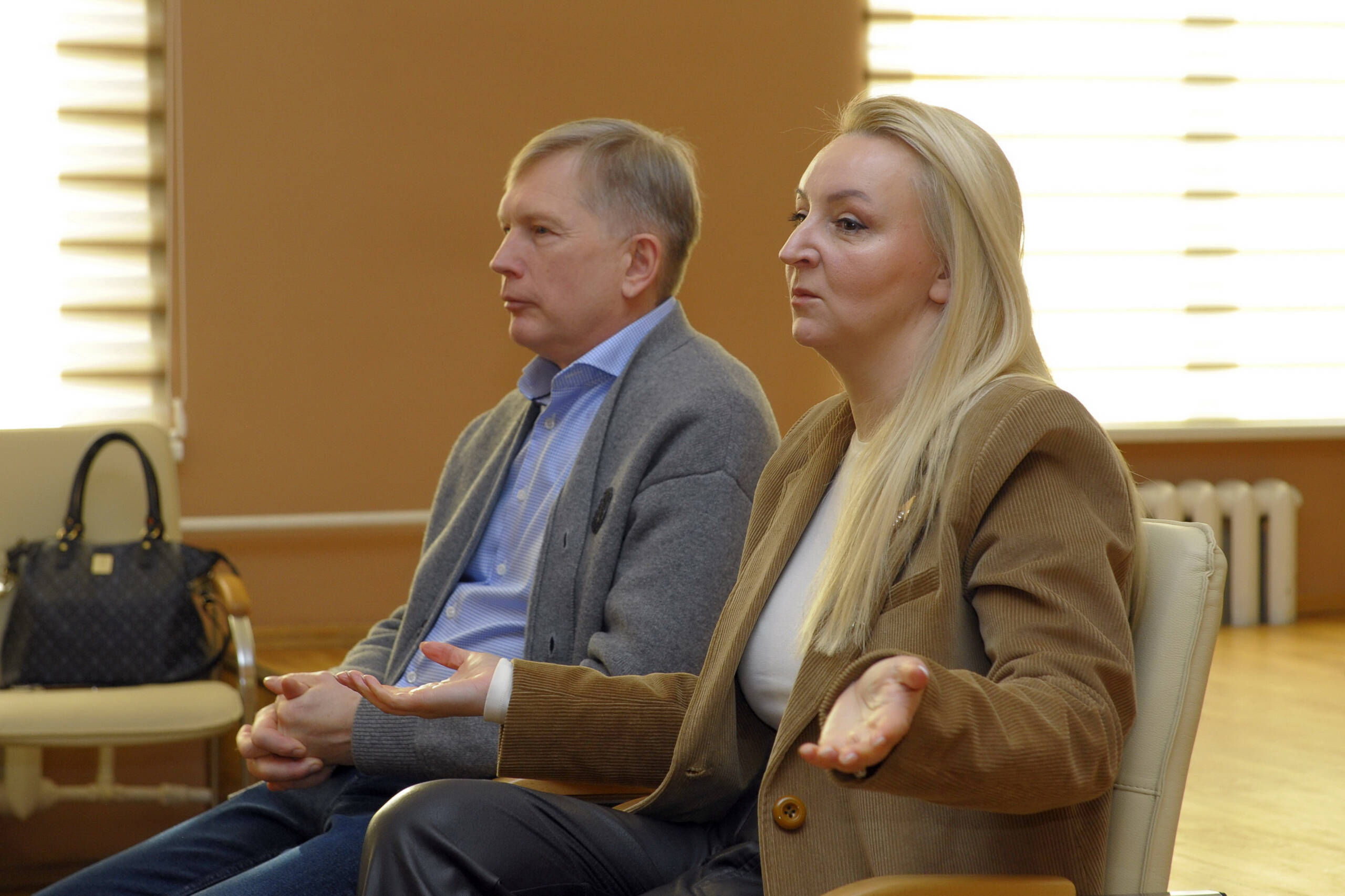
One of the most striking moments of the discussion was the contribution of well-known singer Viktorija Mauručaitė. She spoke about the impact of artificial intelligence and other technologies on the music world, yet clearly underlined that neither AI nor any digital tools can replace the live relationship between teacher and student. According to Viktorija, technology can at best serve as an assistant – helping to discover new ideas, develop certain technical competences and organise content – but it cannot take over the role of human connection, sensitive feedback, motivation and inspiration. Creative maturity, she argued, is formed through live dialogue, and AI and ICT should be seen as instruments to enrich this dialogue, not to replace it.
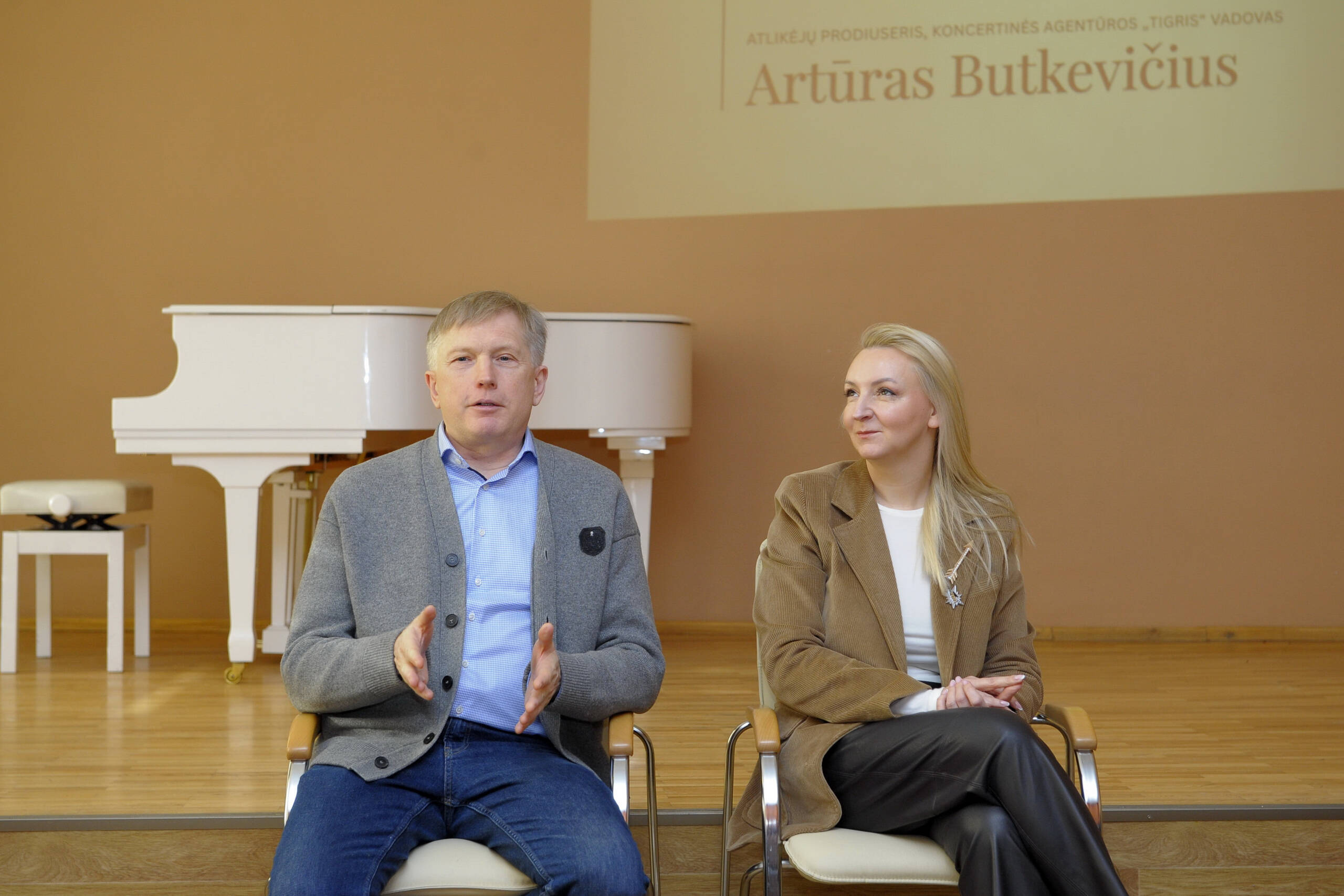
Another important guest in the discussion was music producer Artūras Butkevičius, whom participants also recalled as one of the first people to start organising charity concerts in Lithuania after the country regained its independence. His experience formed the basis for a conversation about how music can become real social action. Artūras stressed that students’ musical abilities should be shared with other social groups – not only within the framework of competitions or traditional concerts, but also through initiatives aimed at hospitals, care homes, community centres and work with people with disabilities or refugees. Such projects, he noted, are not only artistic experiences, but also practices of social entrepreneurship, in which music becomes a bridge between different members of society.

Throughout the discussion, the idea surfaced repeatedly that it is becoming increasingly difficult to surprise audiences today. On stage and on screen we see ever-higher standards for technical effects and “show”, which creates a risk that artistic content will be judged mainly by its visual or technological impact. Guests agreed that instead of endlessly trying to “outdo” others with effects, it is worth turning more often towards authenticity and naturalness. Regardless of age or social status, audiences still respond most strongly to a genuinely felt emotion, a live voice, a sincere story and a real connection with the performer – both in the concert hall and in the digital space.

A significant contribution to the discussion was made by Jurgita Bražinskienė, President of the Social Leadership Association, who highlighted that technology is opening up ever more opportunities to reach socially vulnerable groups. Live streams, online creative workshops, distribution of recordings and interactive activities make it possible to “bring” music to places where live concerts are not always feasible. However, to ensure that such initiatives do not remain one-off projects, it is essential to develop students’ social, communication and entrepreneurial competences – the ability to understand the needs of target groups, plan activities, use technology responsibly, cooperate with partners and strive for long-term impact.
Summarising the ideas expressed during the discussion, several key skills emerged that music schools today should help to cultivate: digital literacy and the ability to use technology purposefully; critical and creative thinking that enables students to select meaningful tools and formats; social and emotional competences that allow them to work with diverse groups of people; and an authentic artistic identity that helps them remain true to themselves even in the highly dynamic intersection of technology and the creative industries.
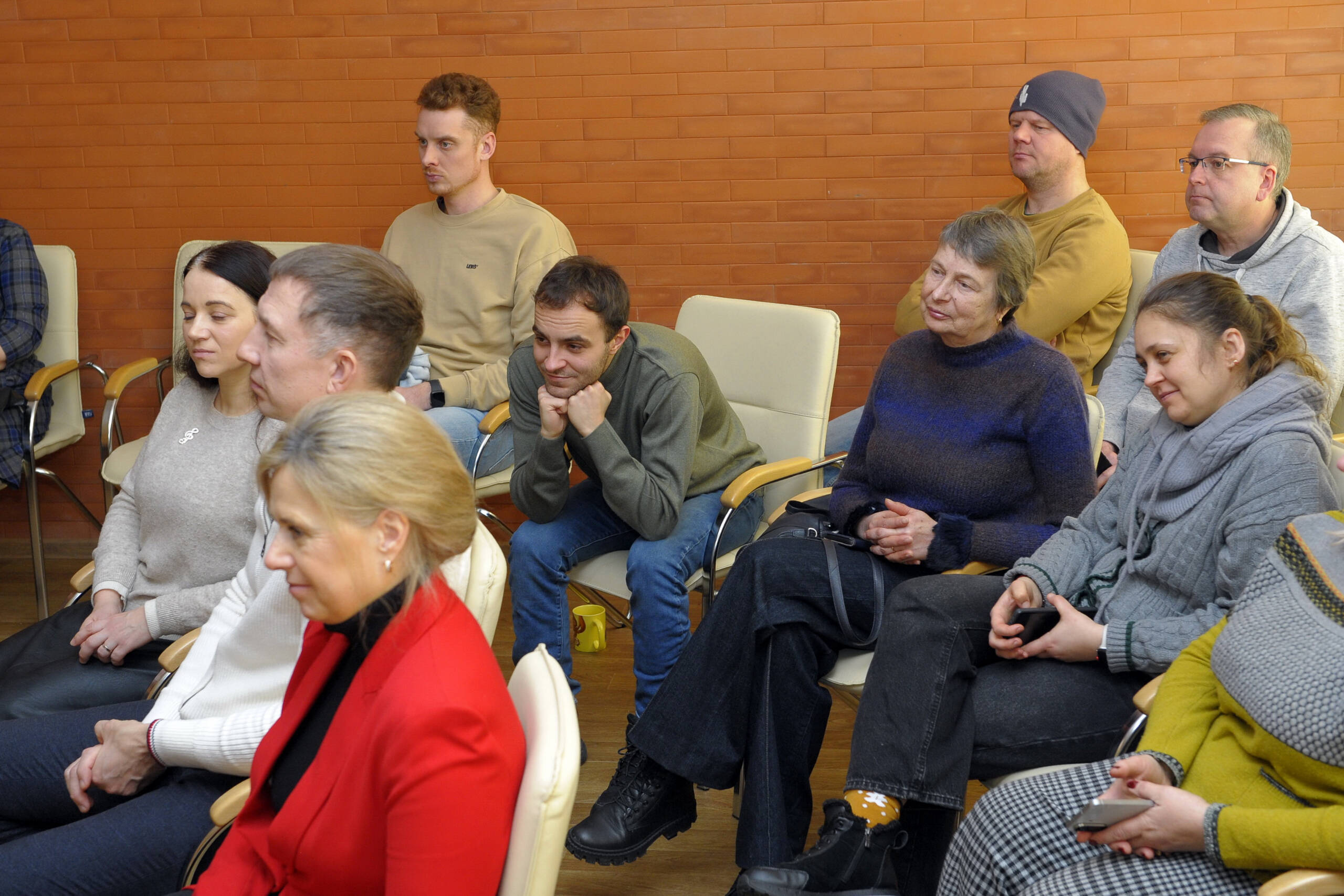
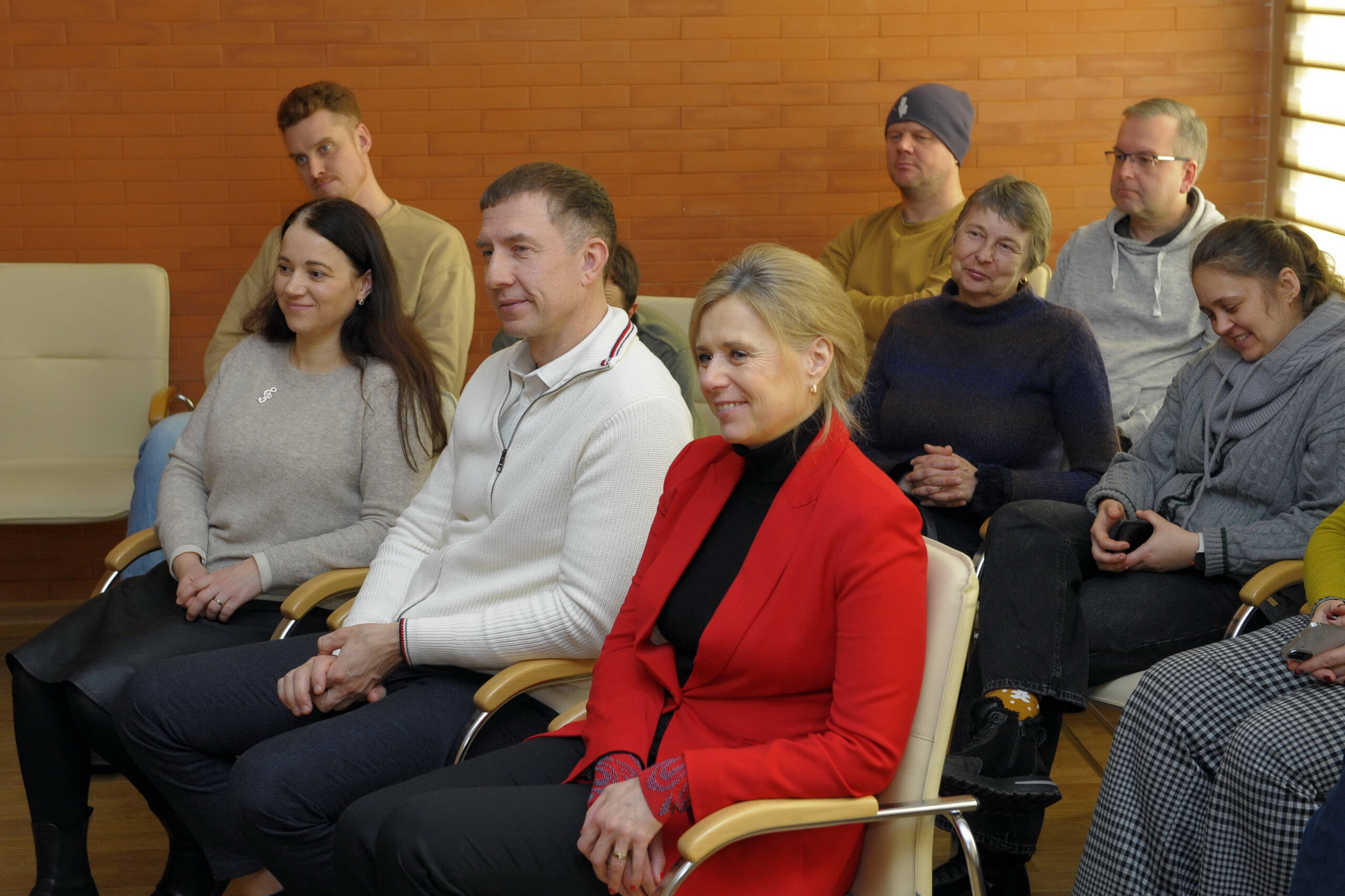
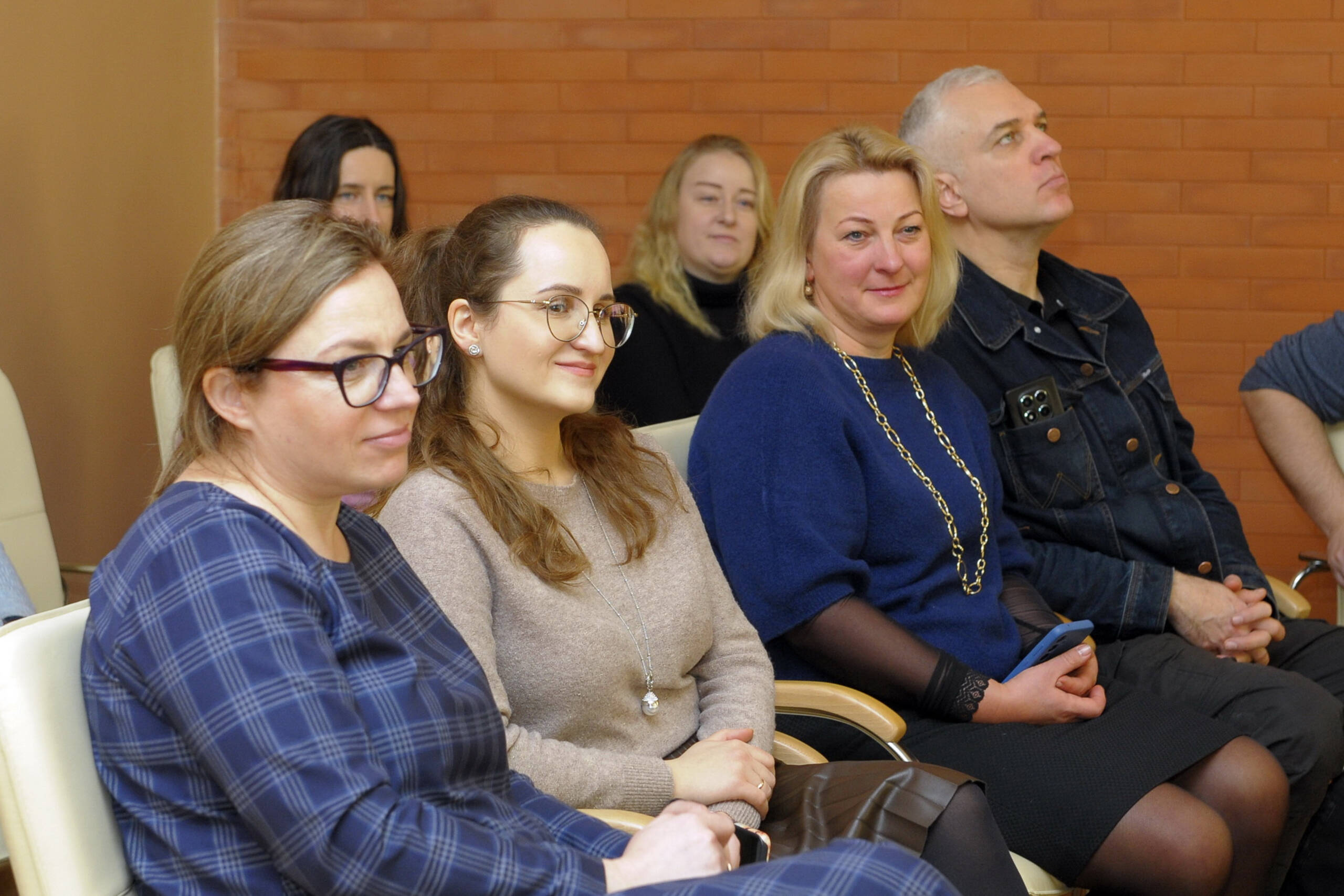
The discussion at Kaunas First Music School showed that music, technology and social entrepreneurship are not three separate directions, but rather mutually reinforcing dimensions that can create a sustainable and meaningful synergy. Guests and participants agreed that the musician of the future is not only a highly skilled performer, but also a responsible creator who knows how to use technology so that their music reaches those who need it most and contributes to positive social change.
Photos: accordion teacher-expert Janė Macevičienė
Text by: piano teacher-expert Dr. Domantas Milius
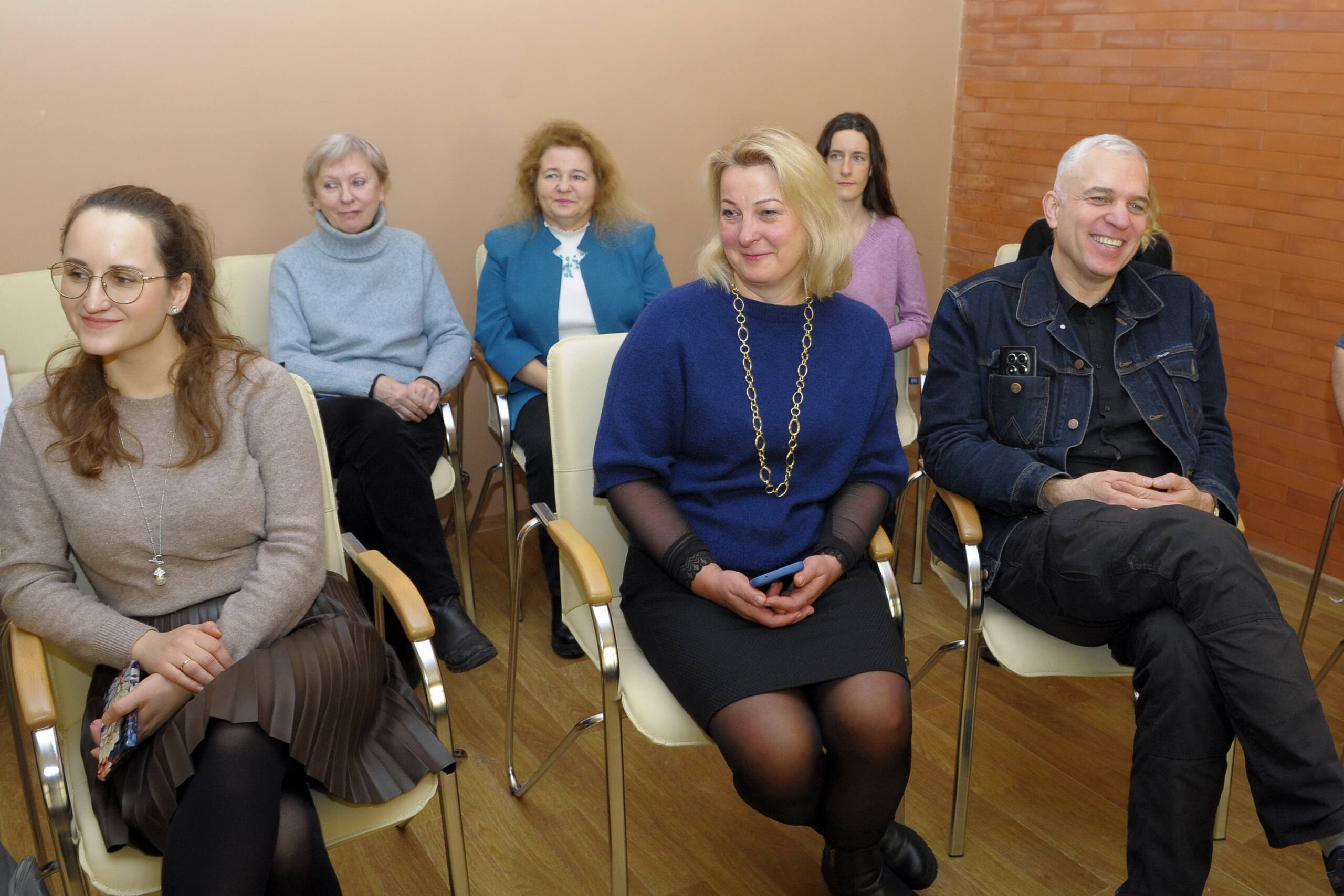
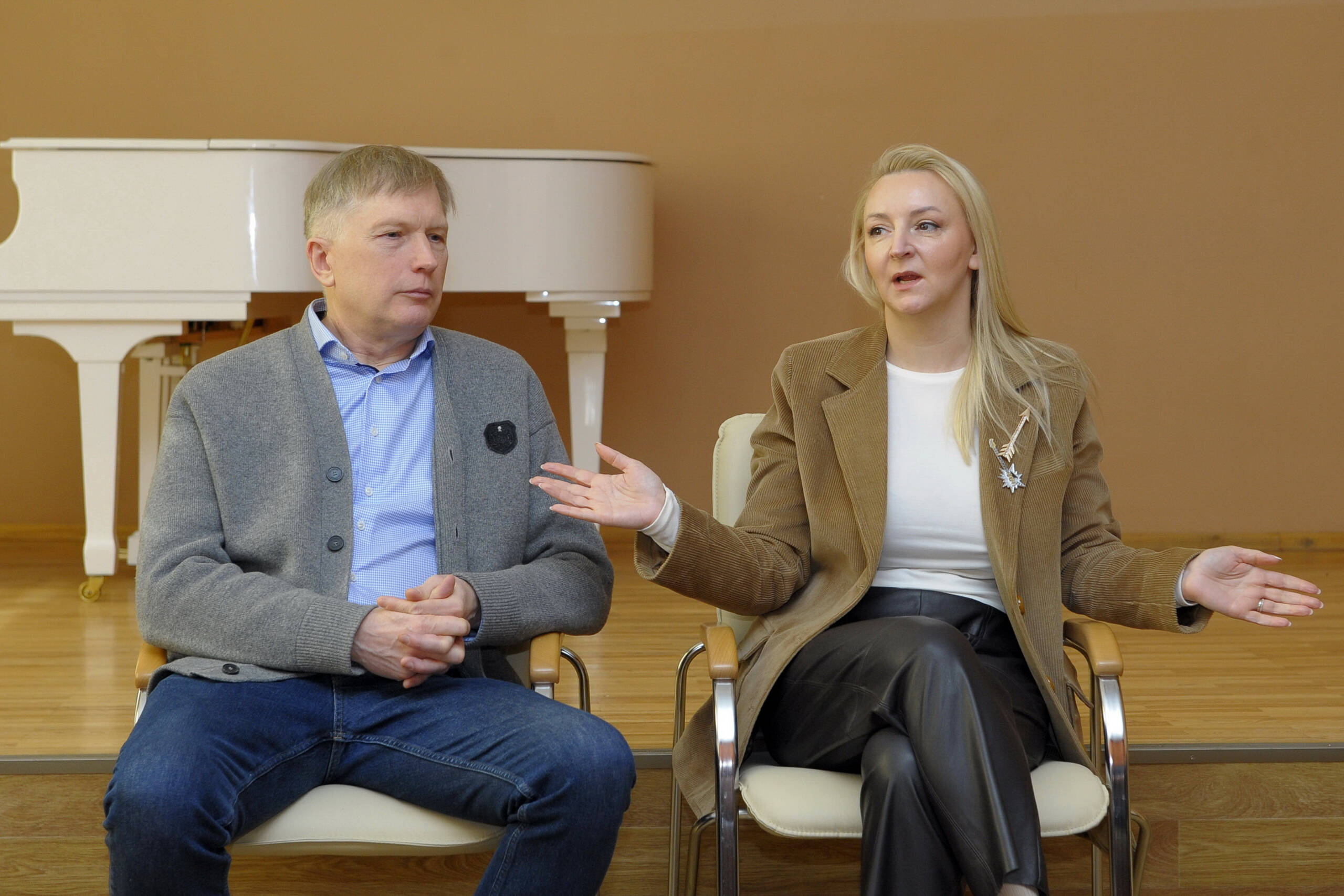
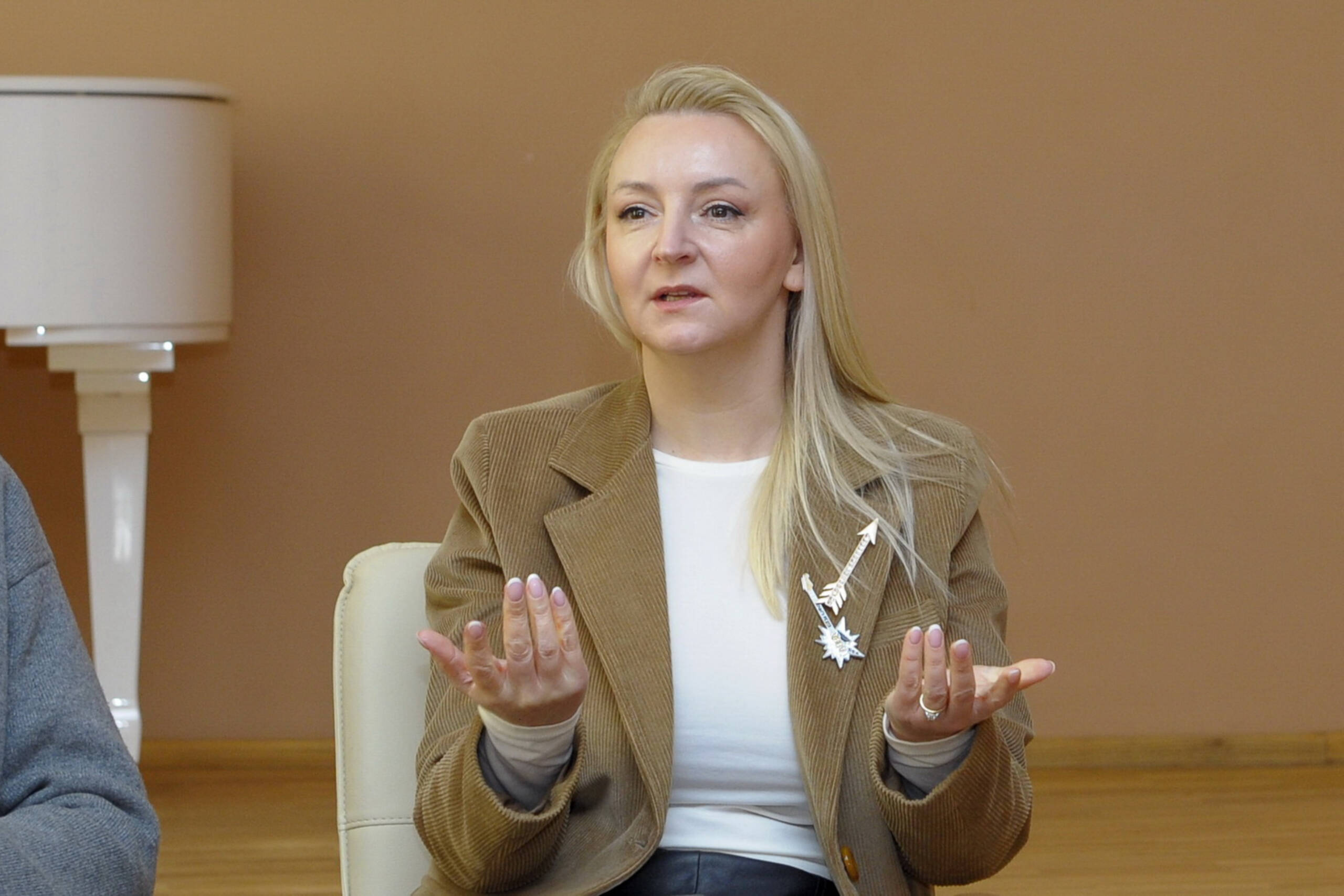
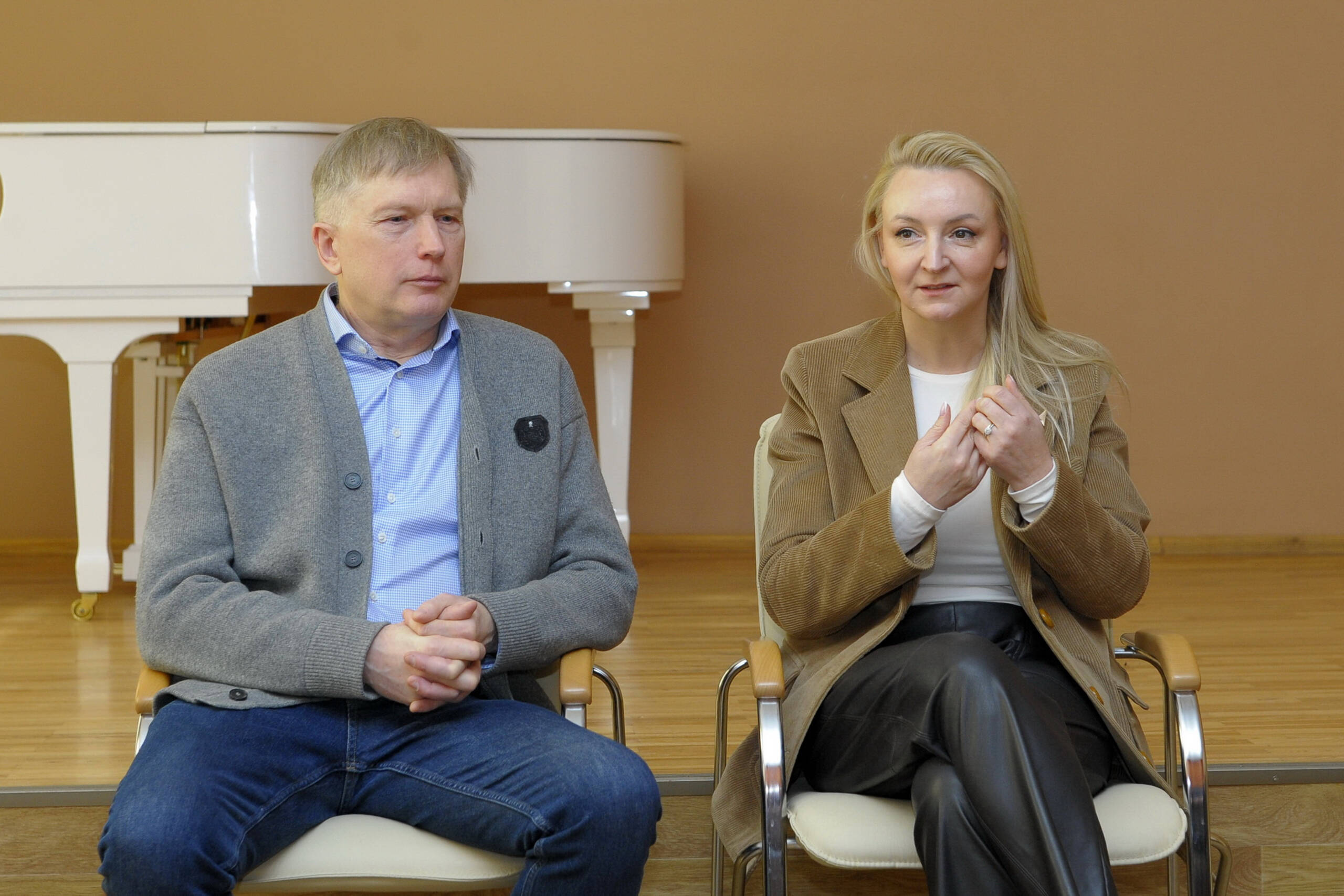
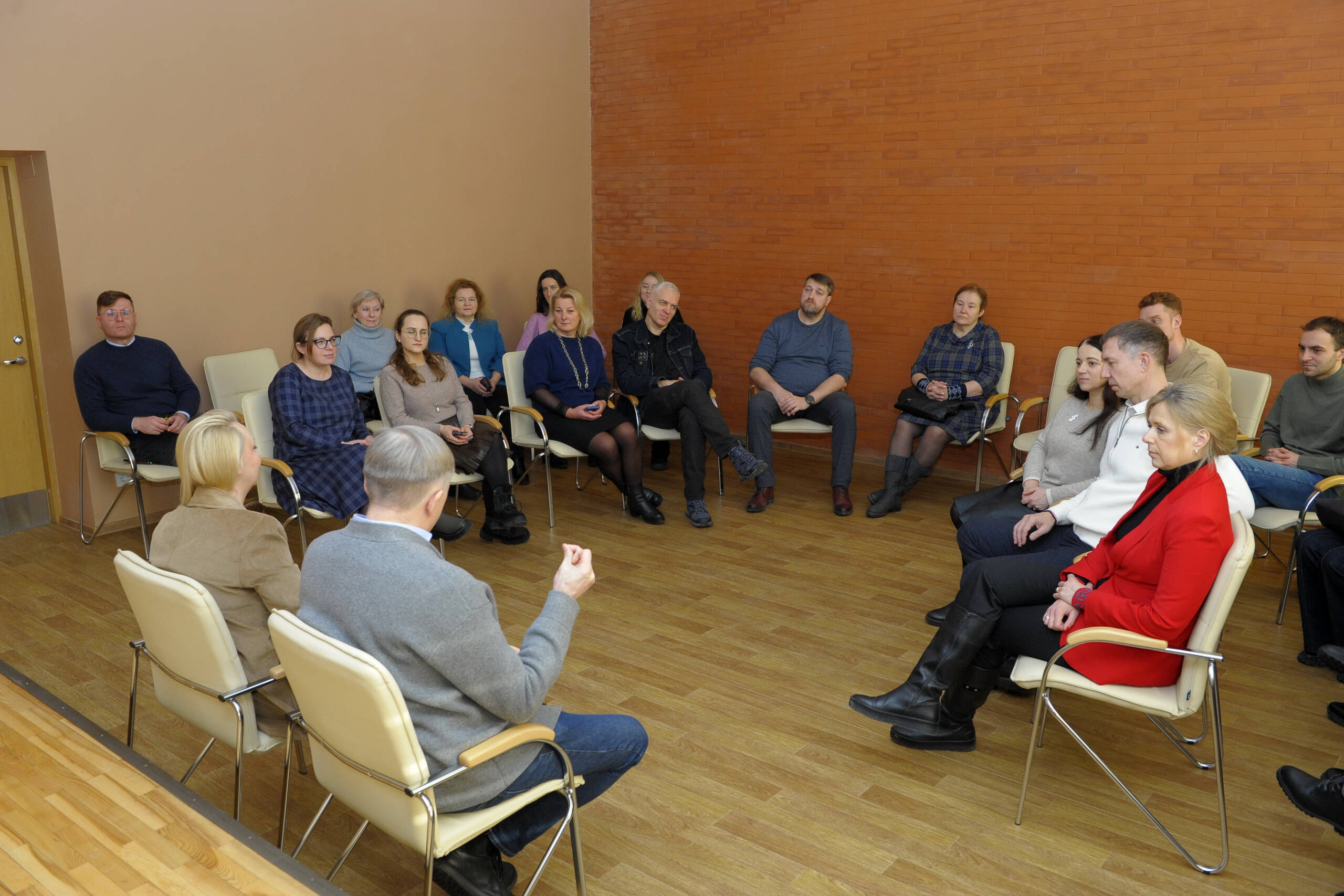
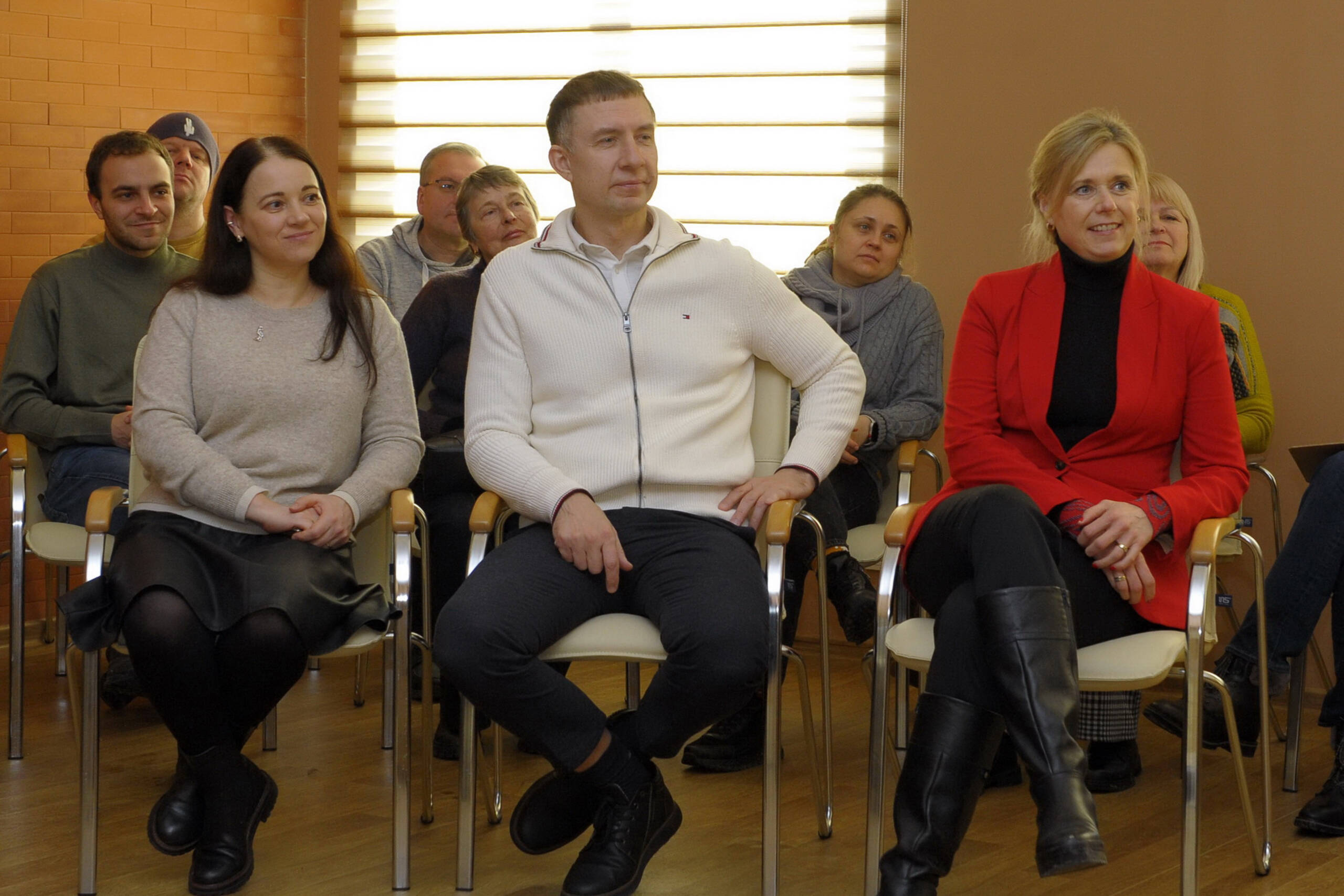
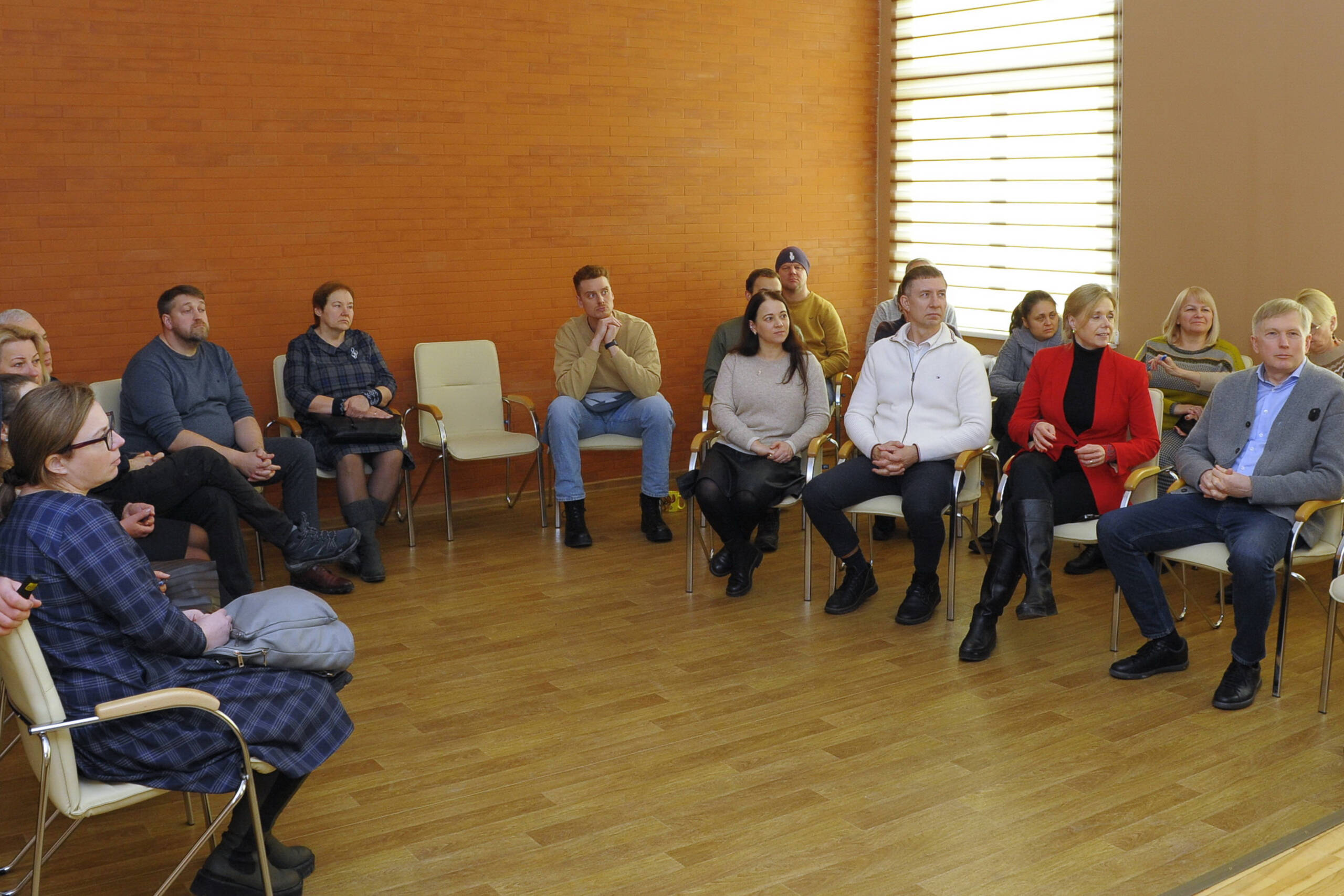
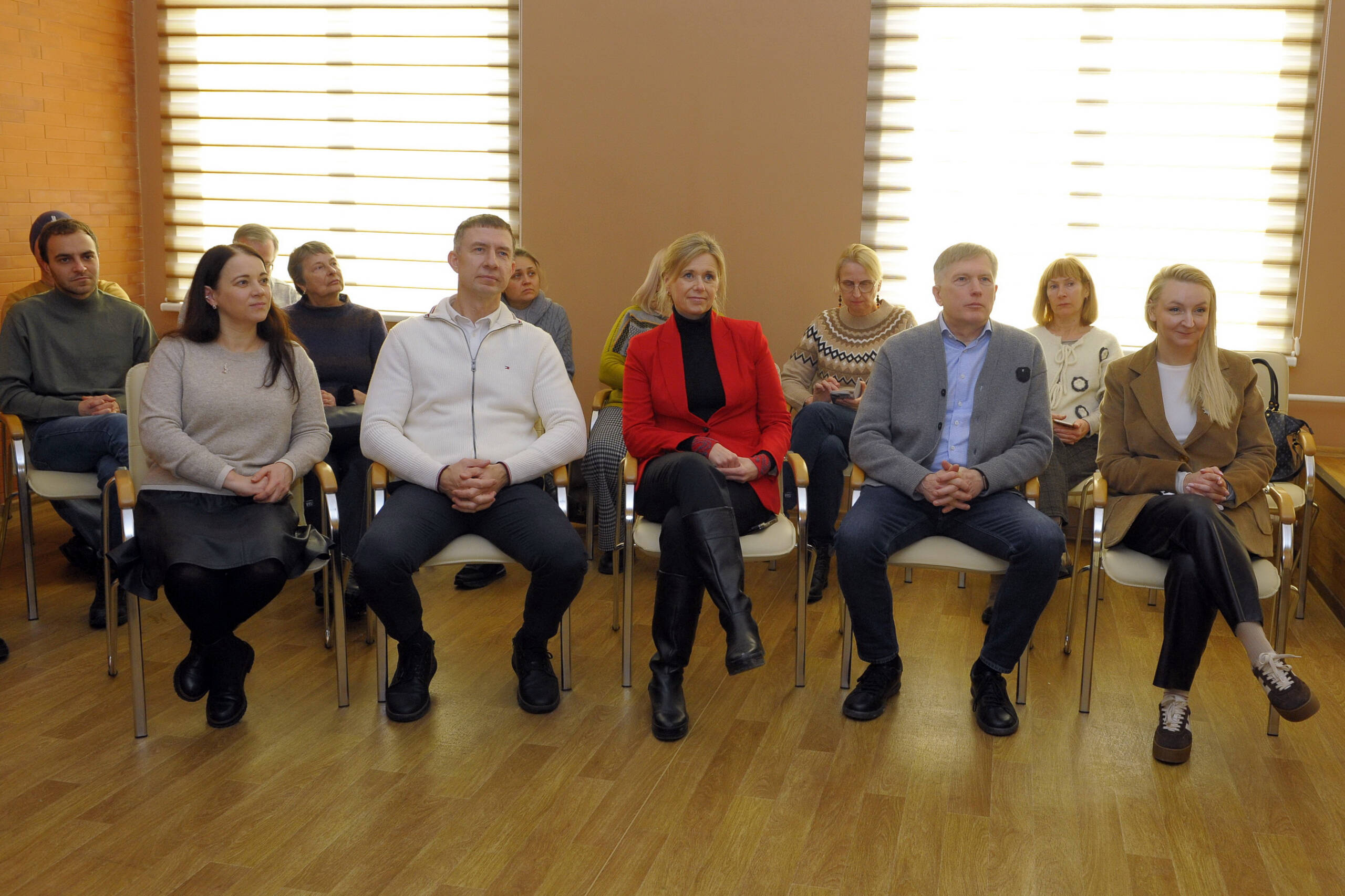
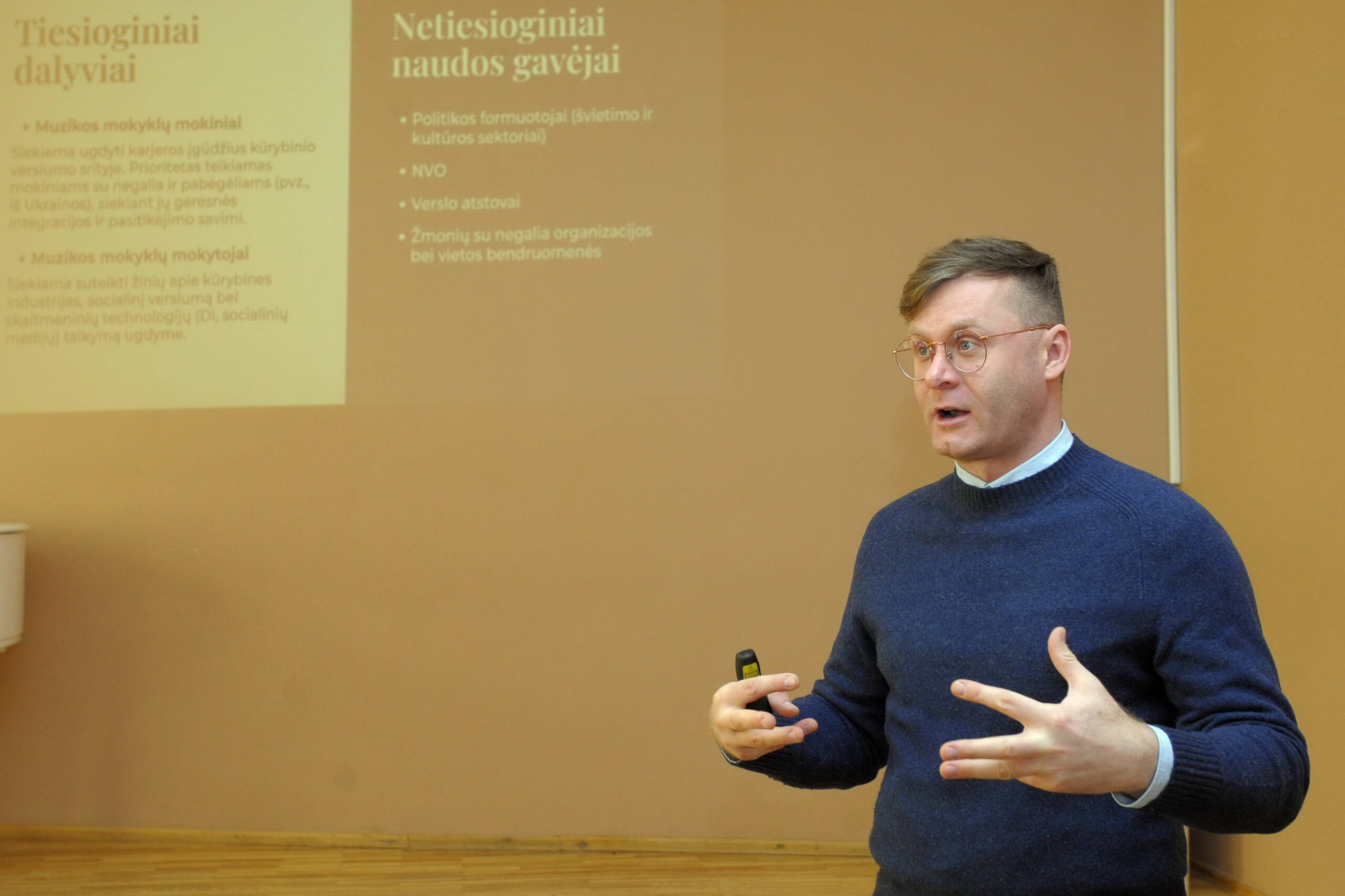
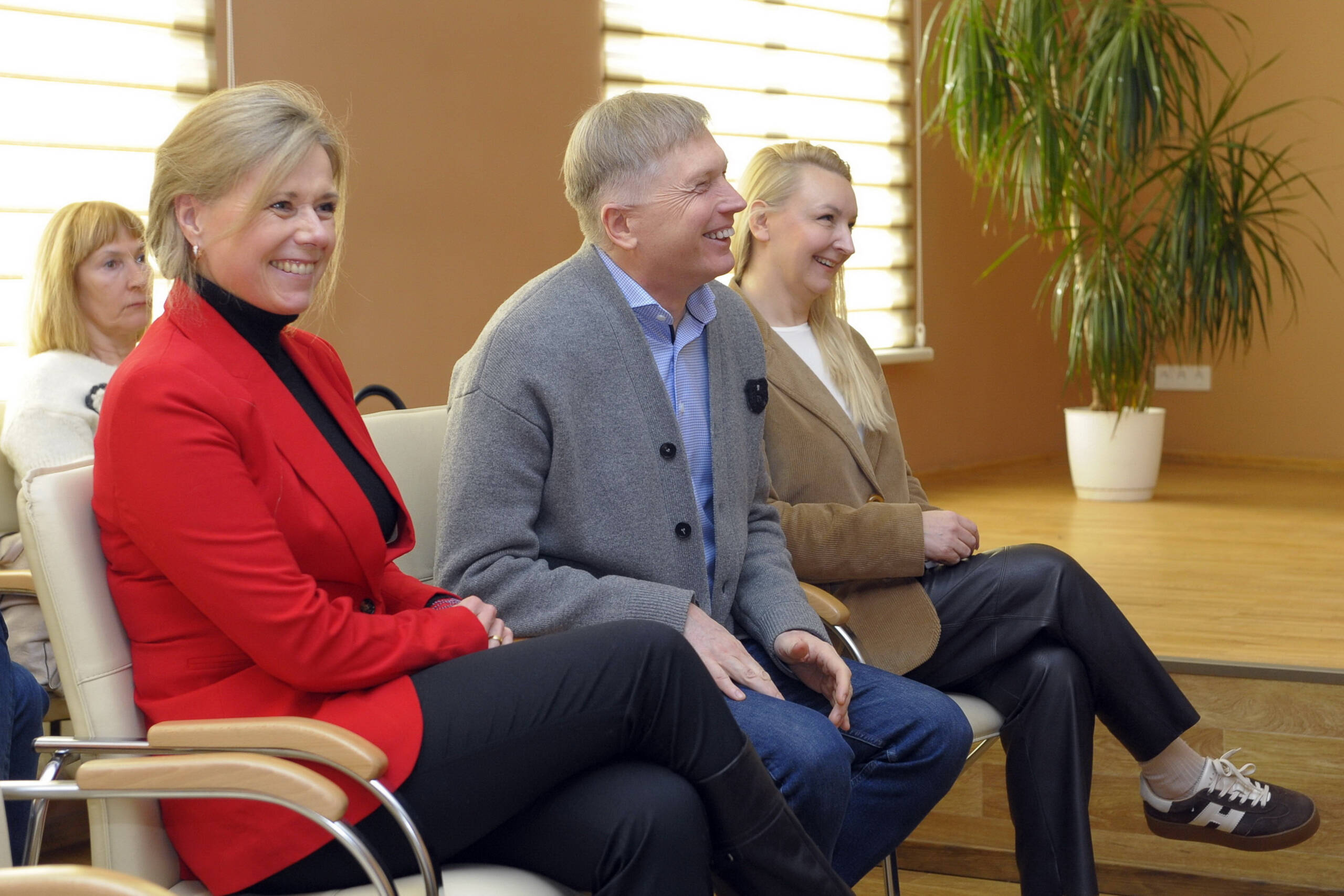
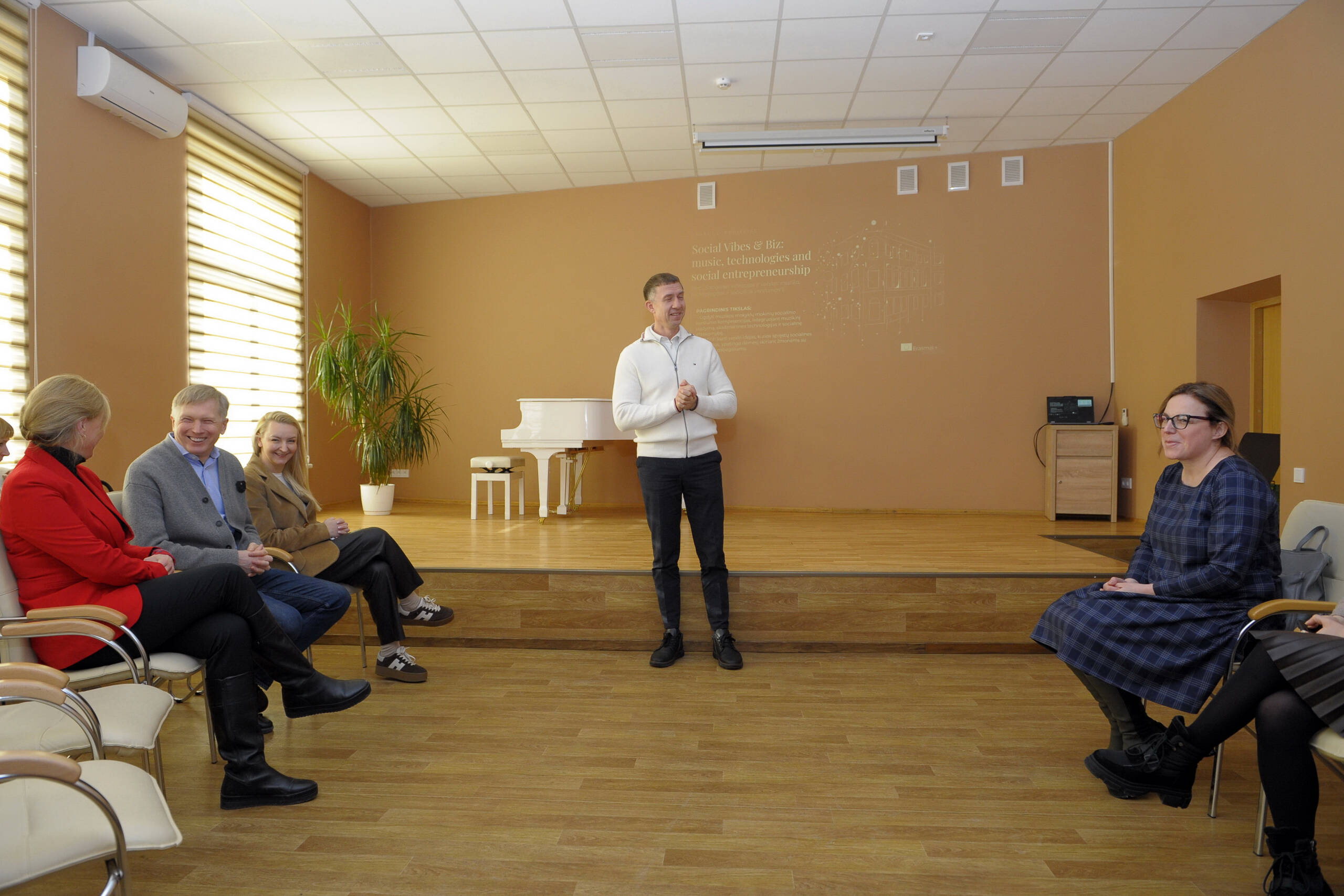
WP1 Strategic Discussion on Social Entrepreneurship in Music Schools.
A1.1.6 Organization of expert discussions involving business, social business representatives


