


Fourth Erasmus+ discussion: insights from students and parents
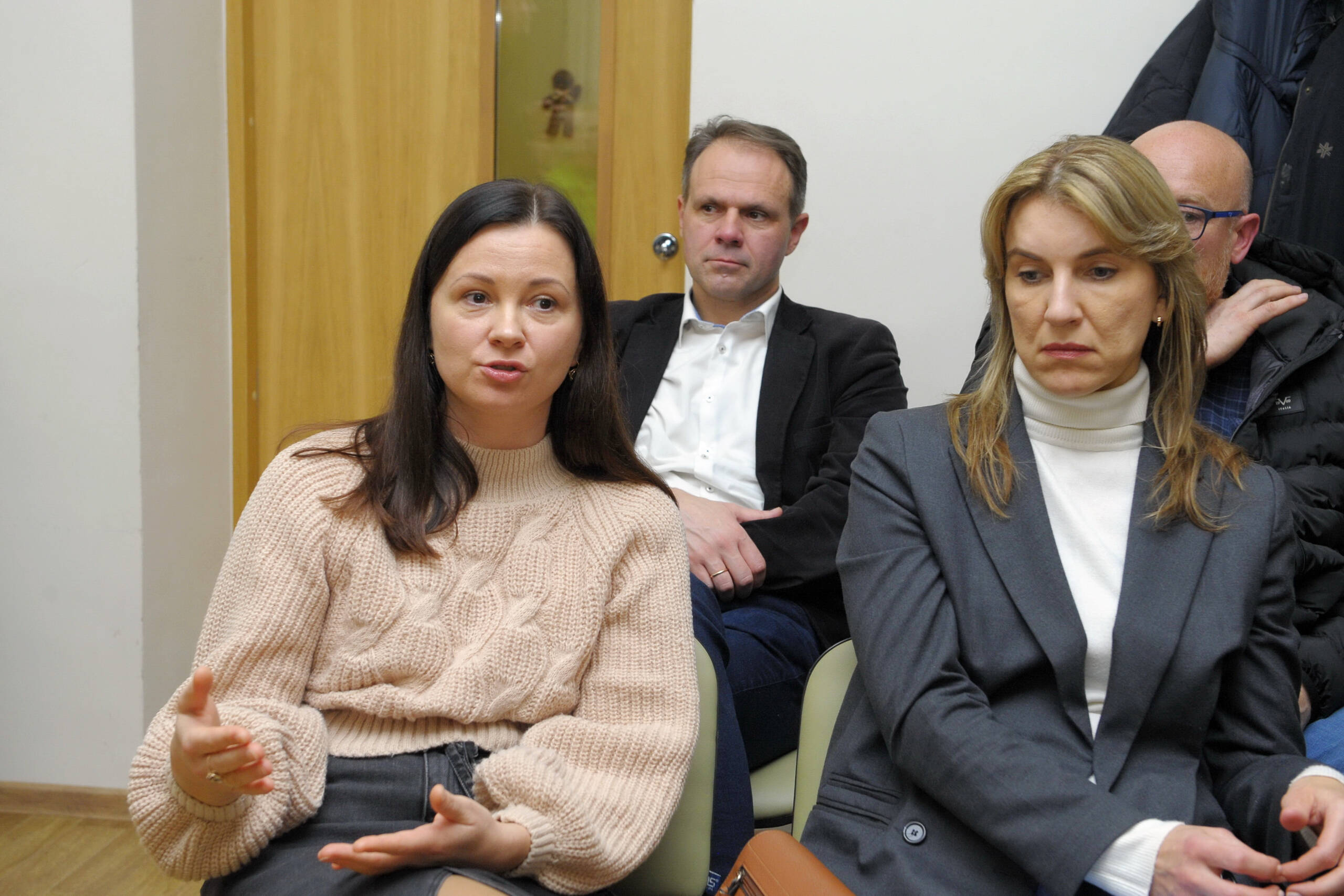
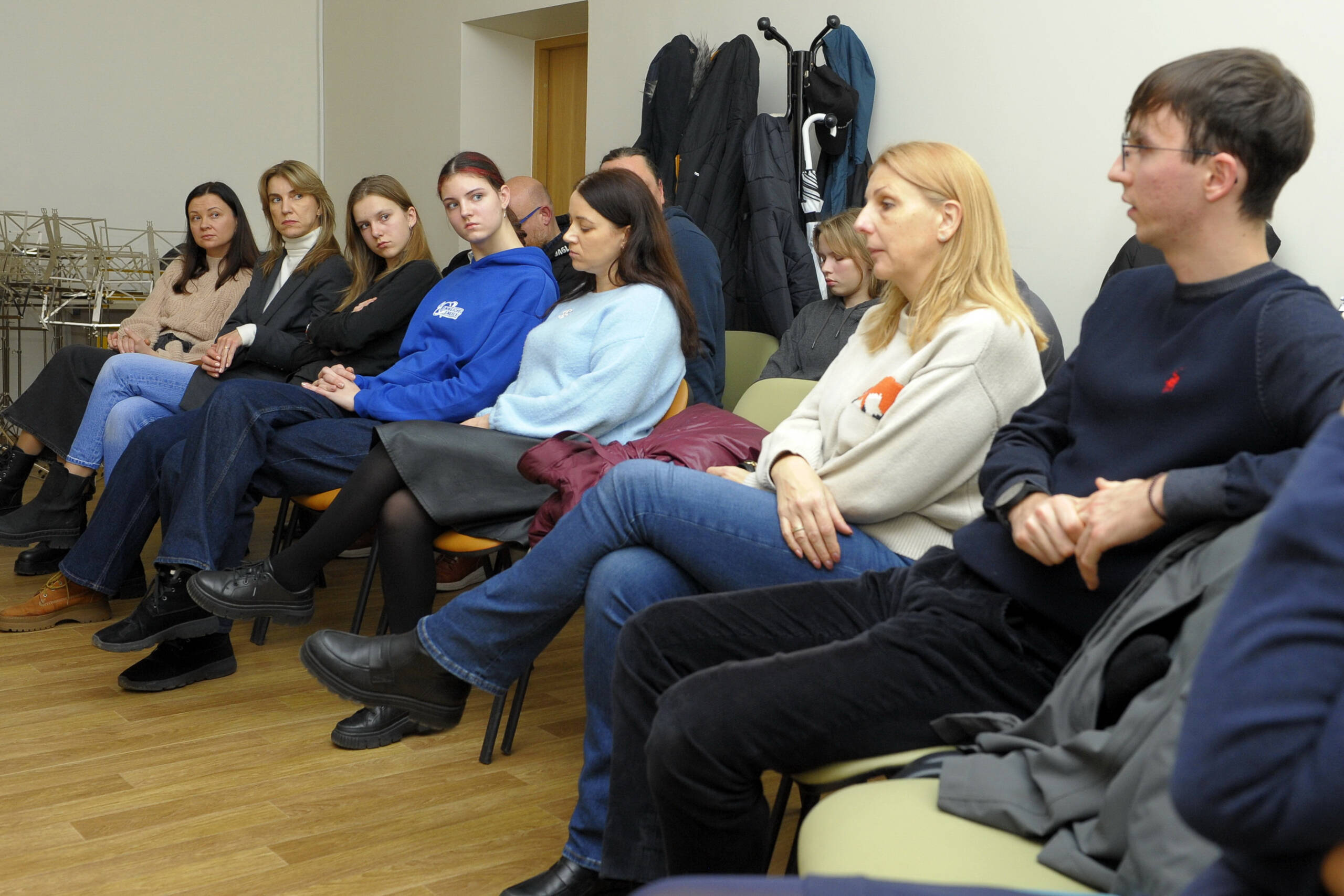
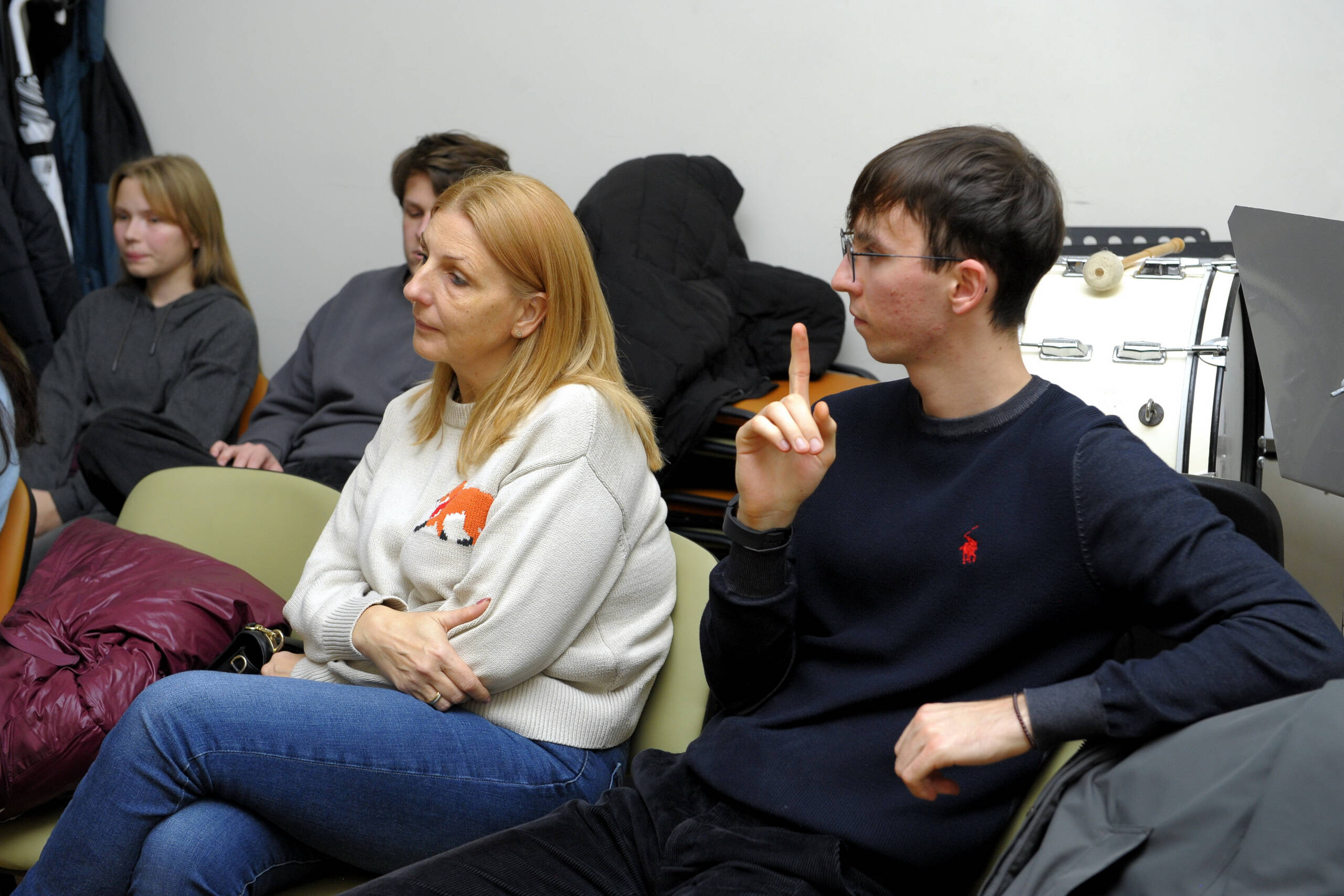
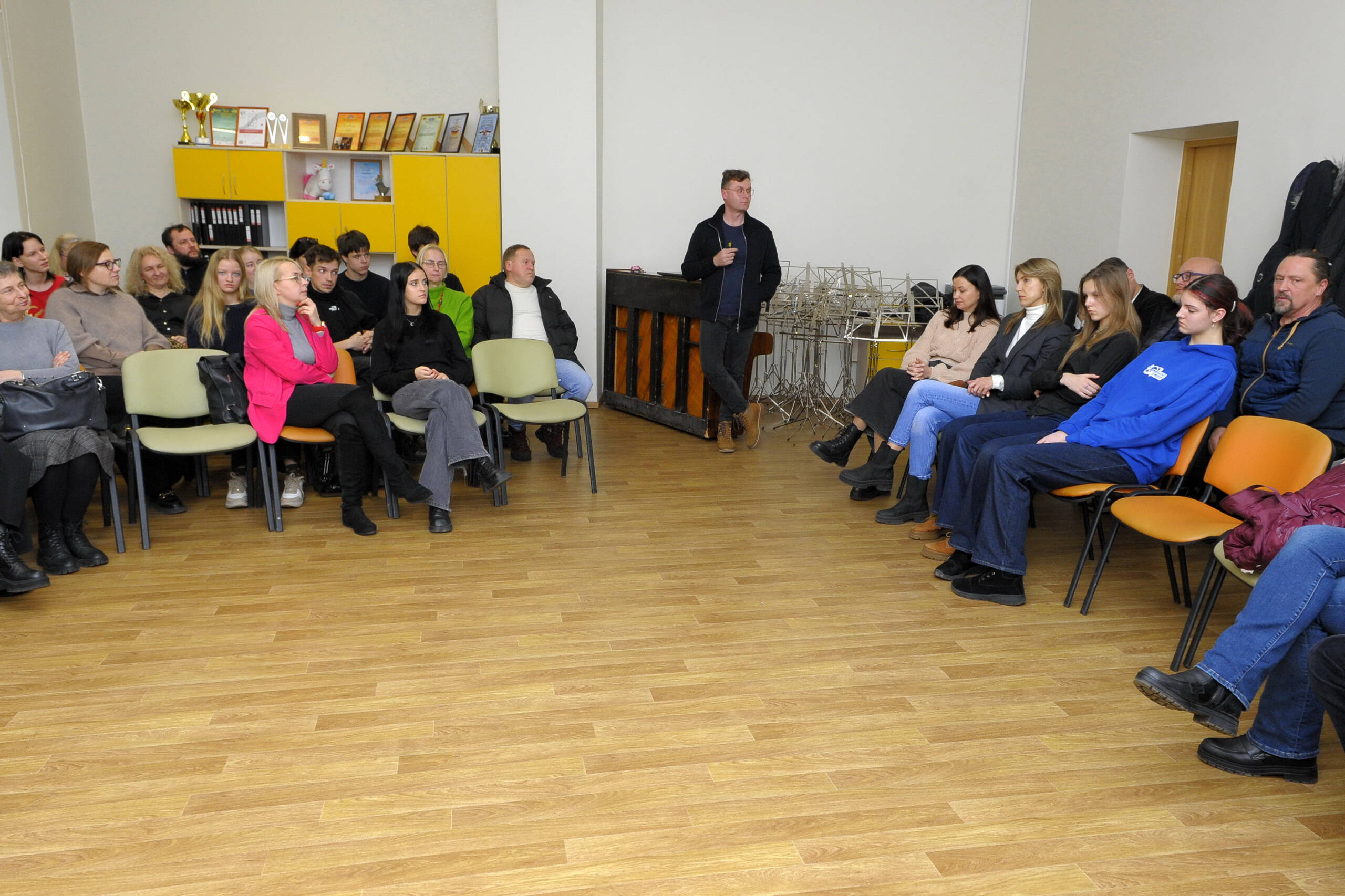
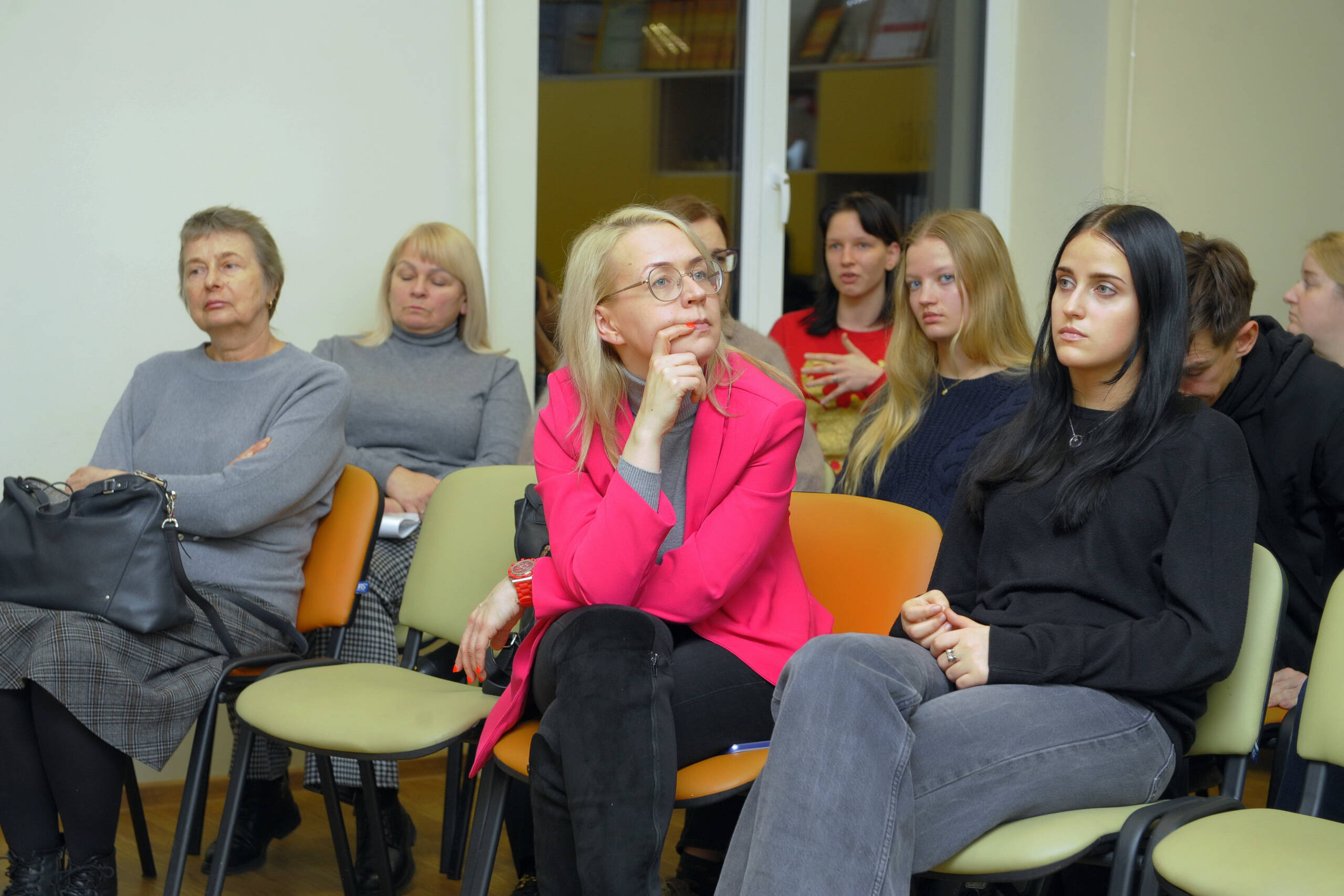
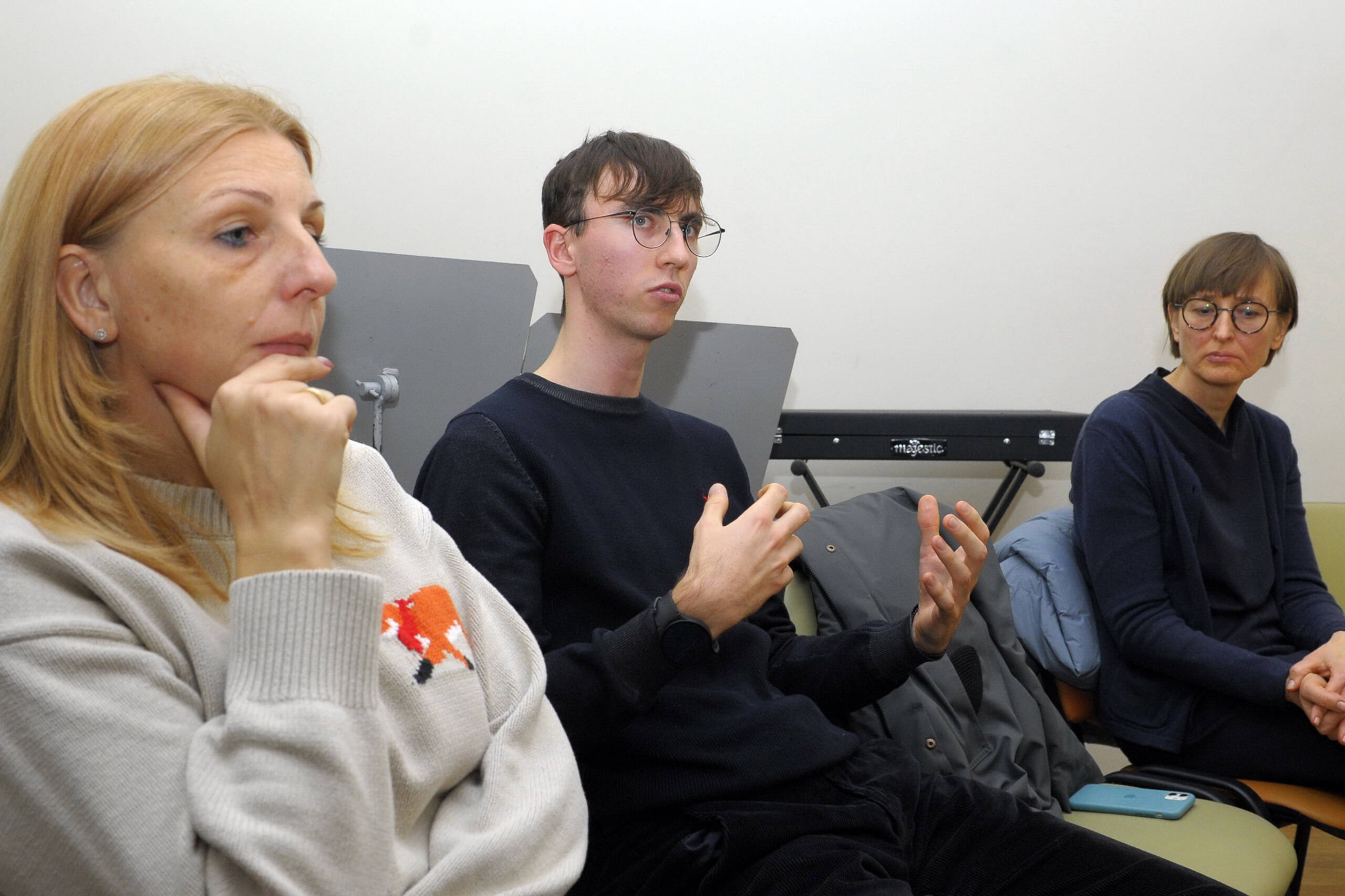
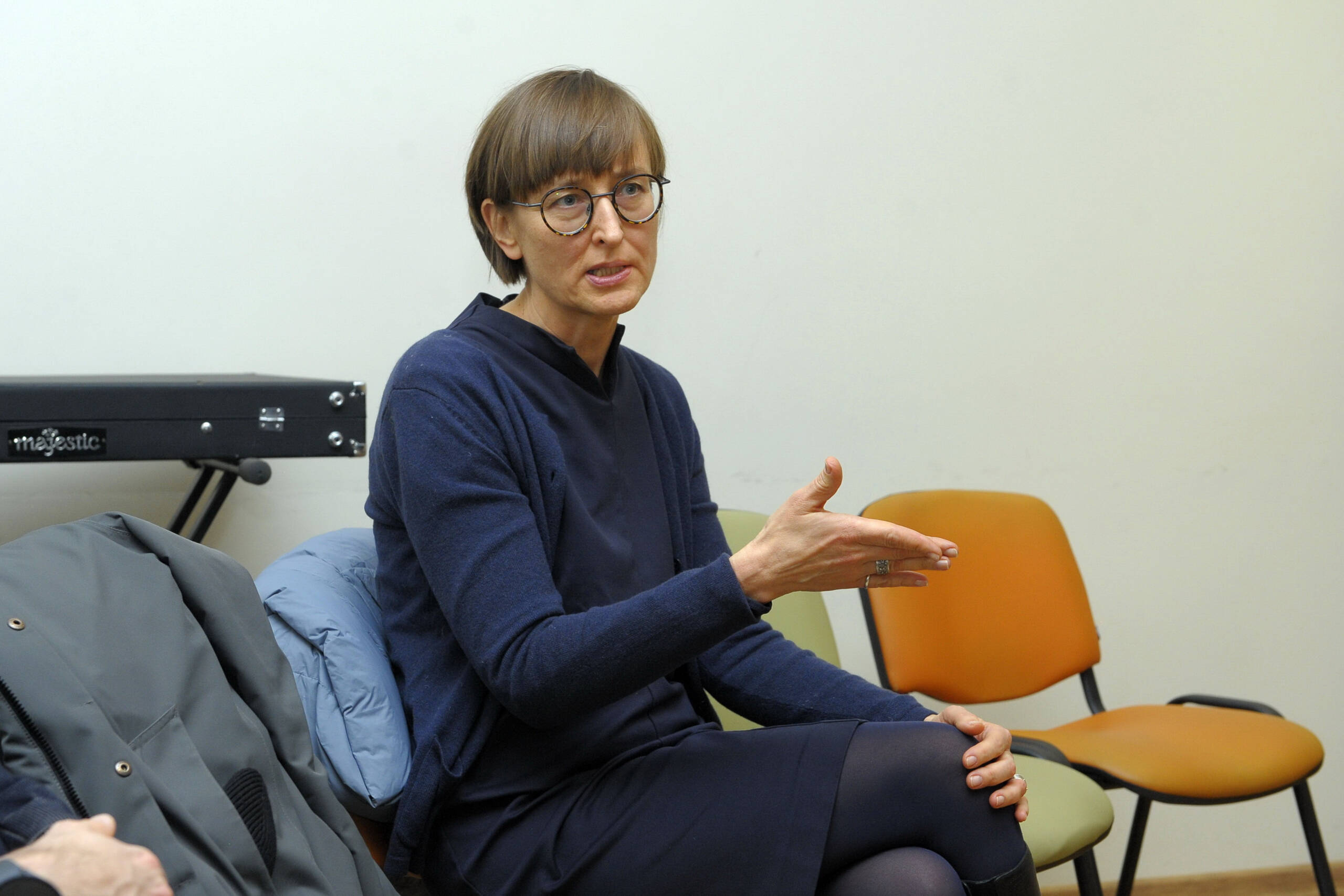
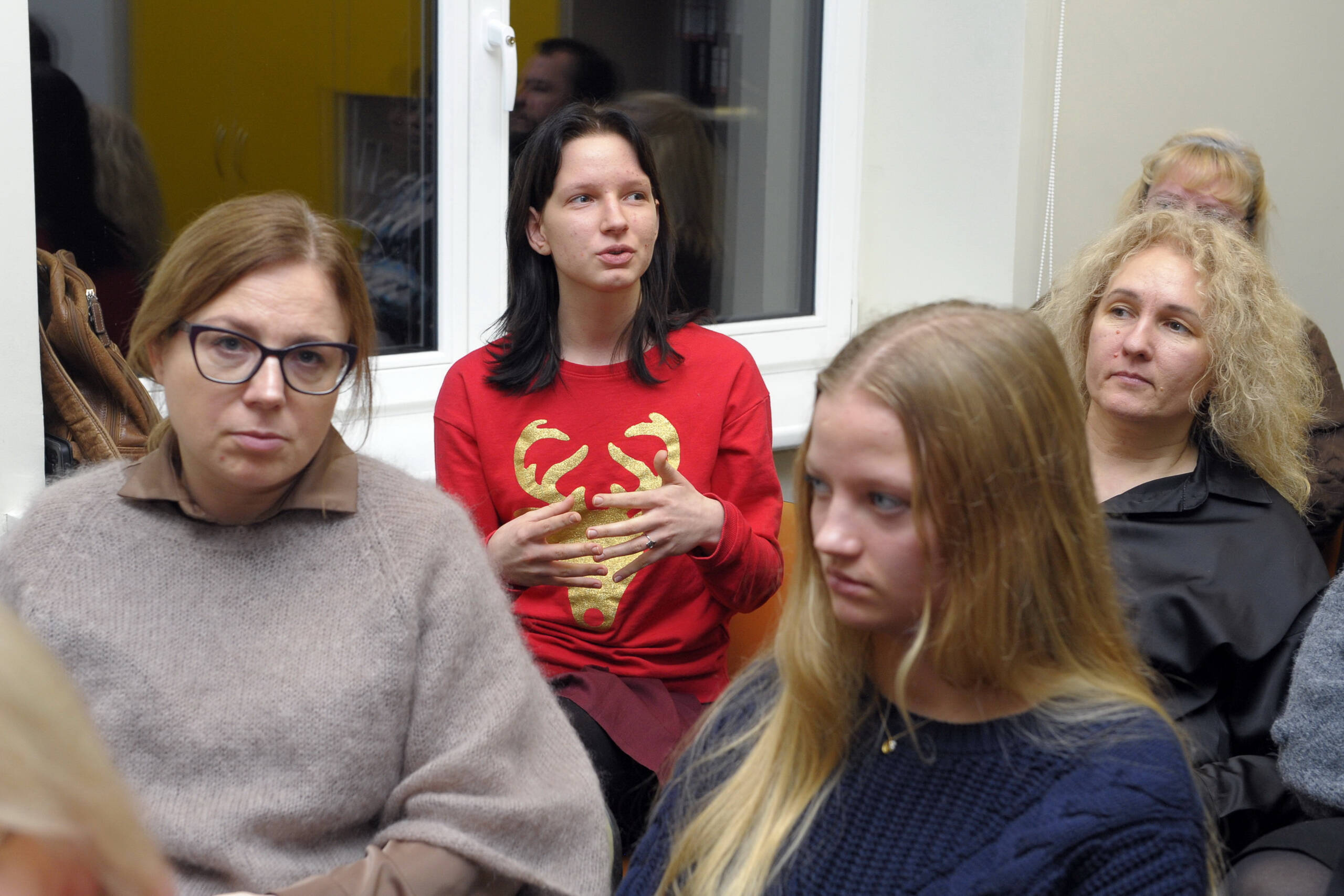
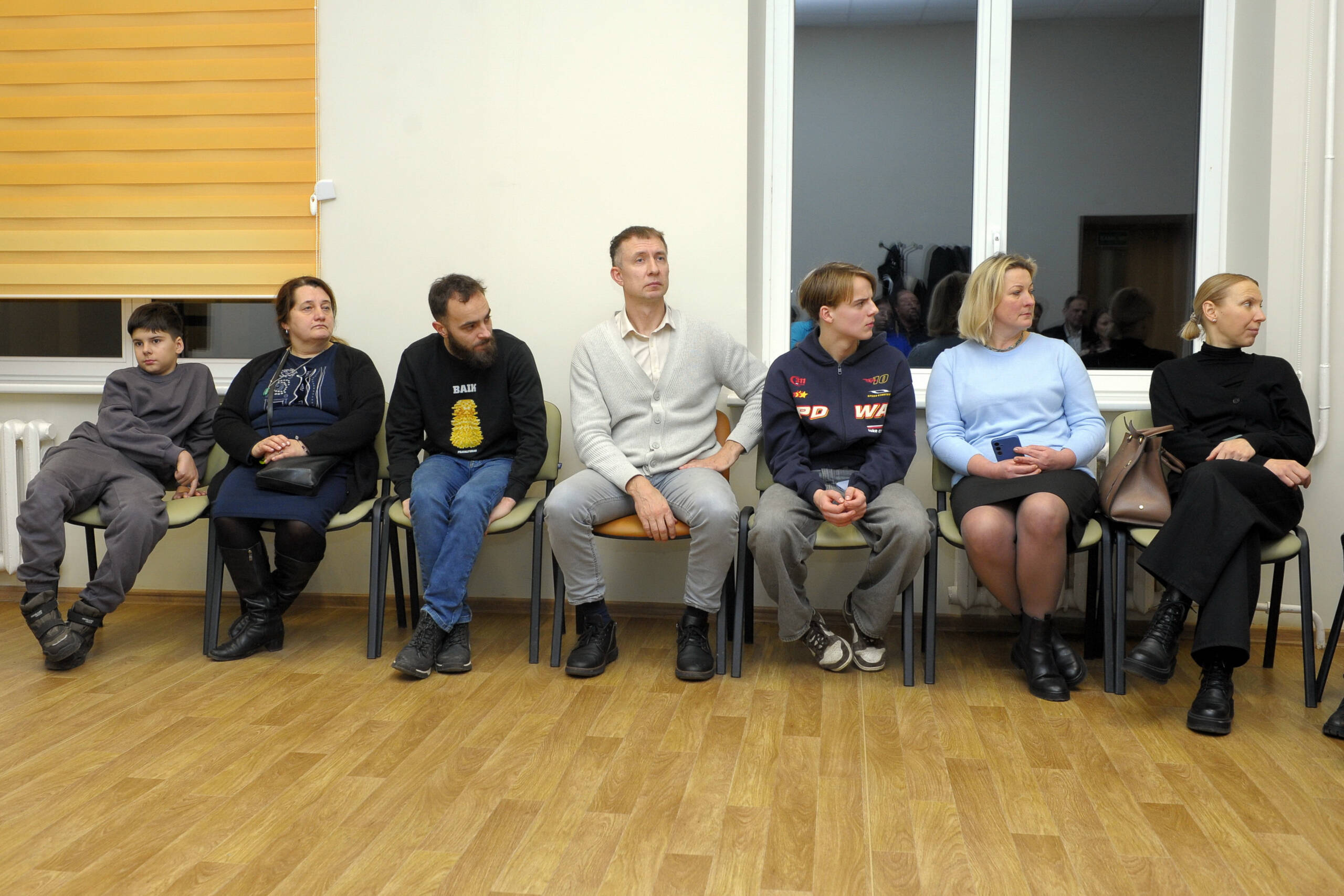
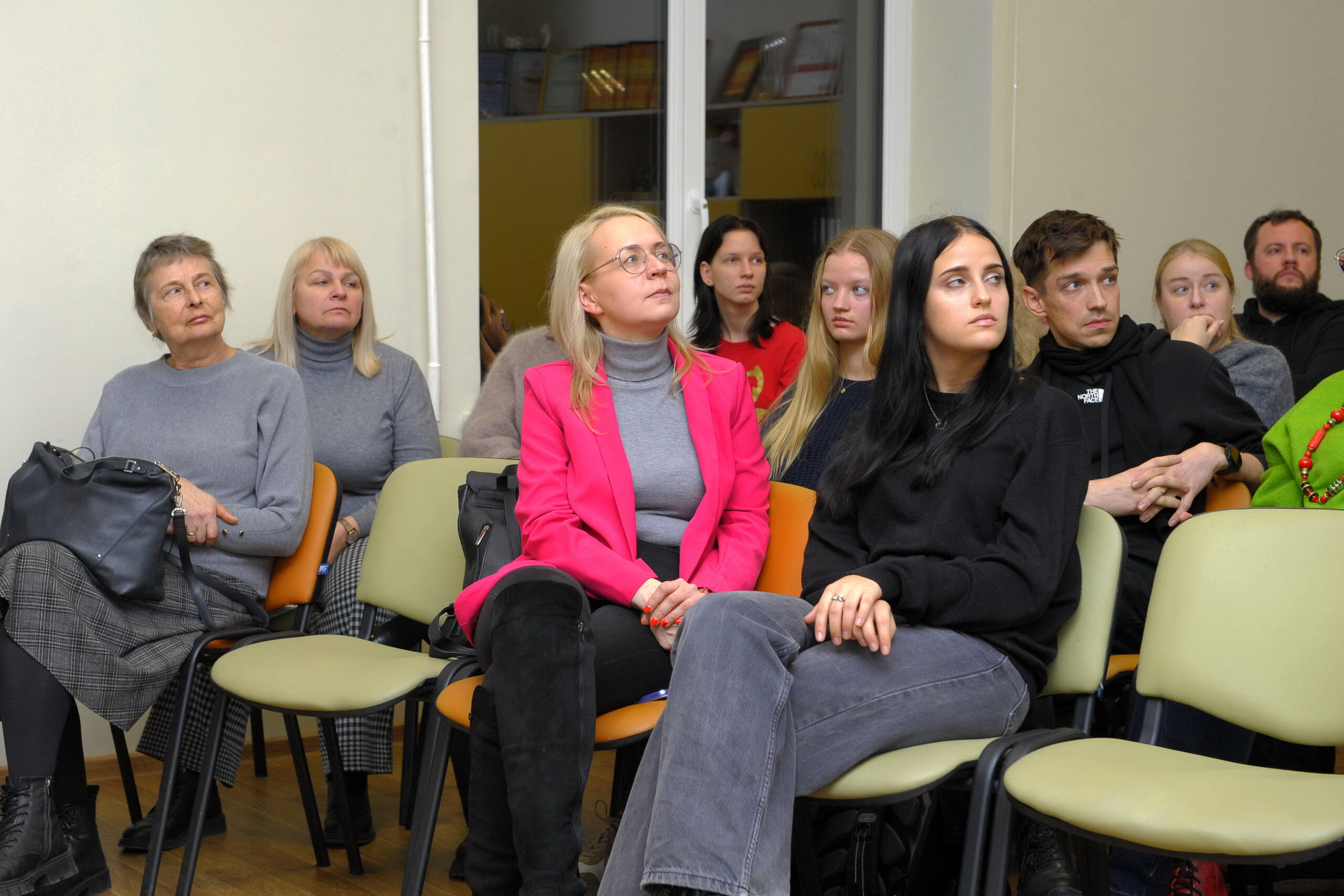
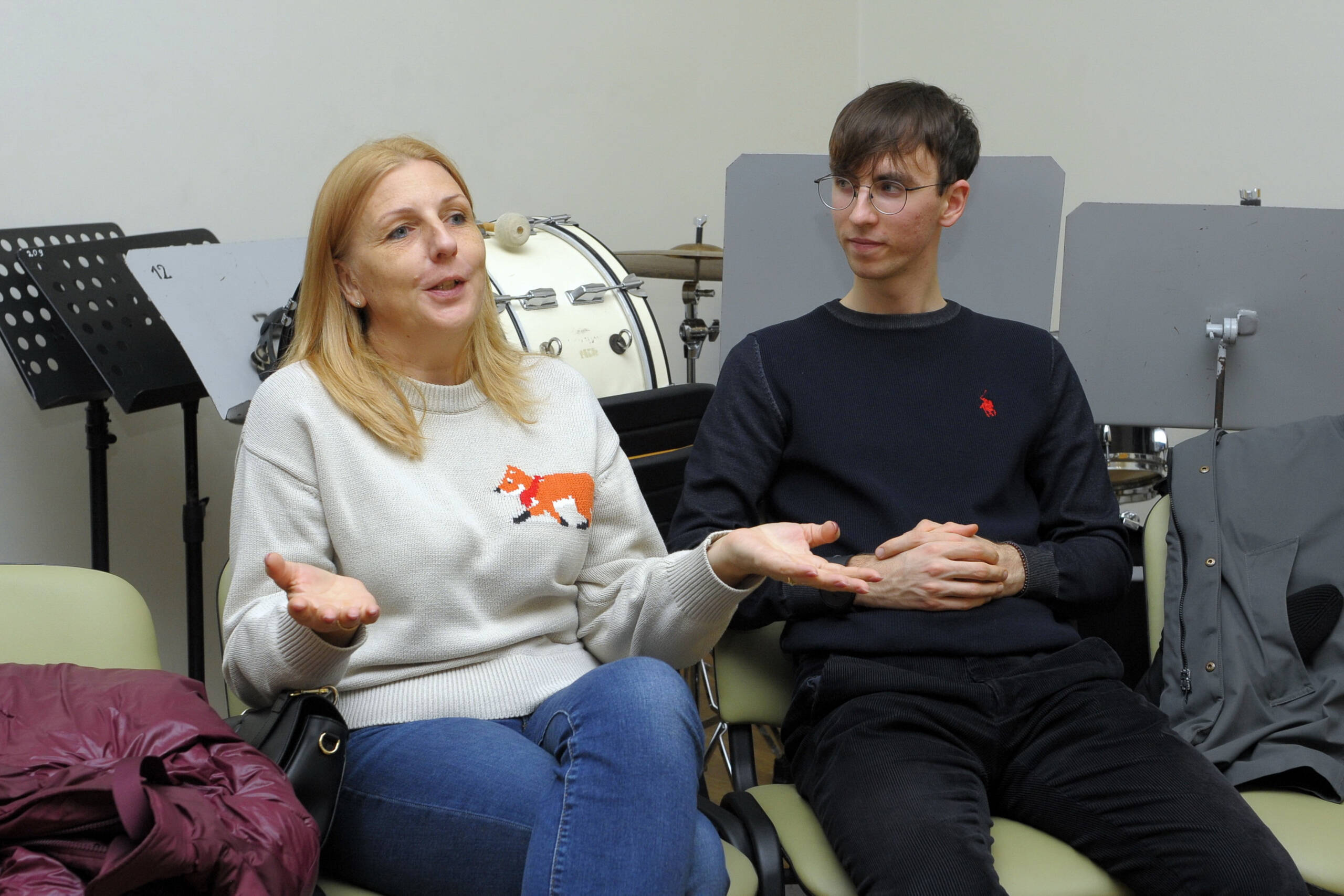
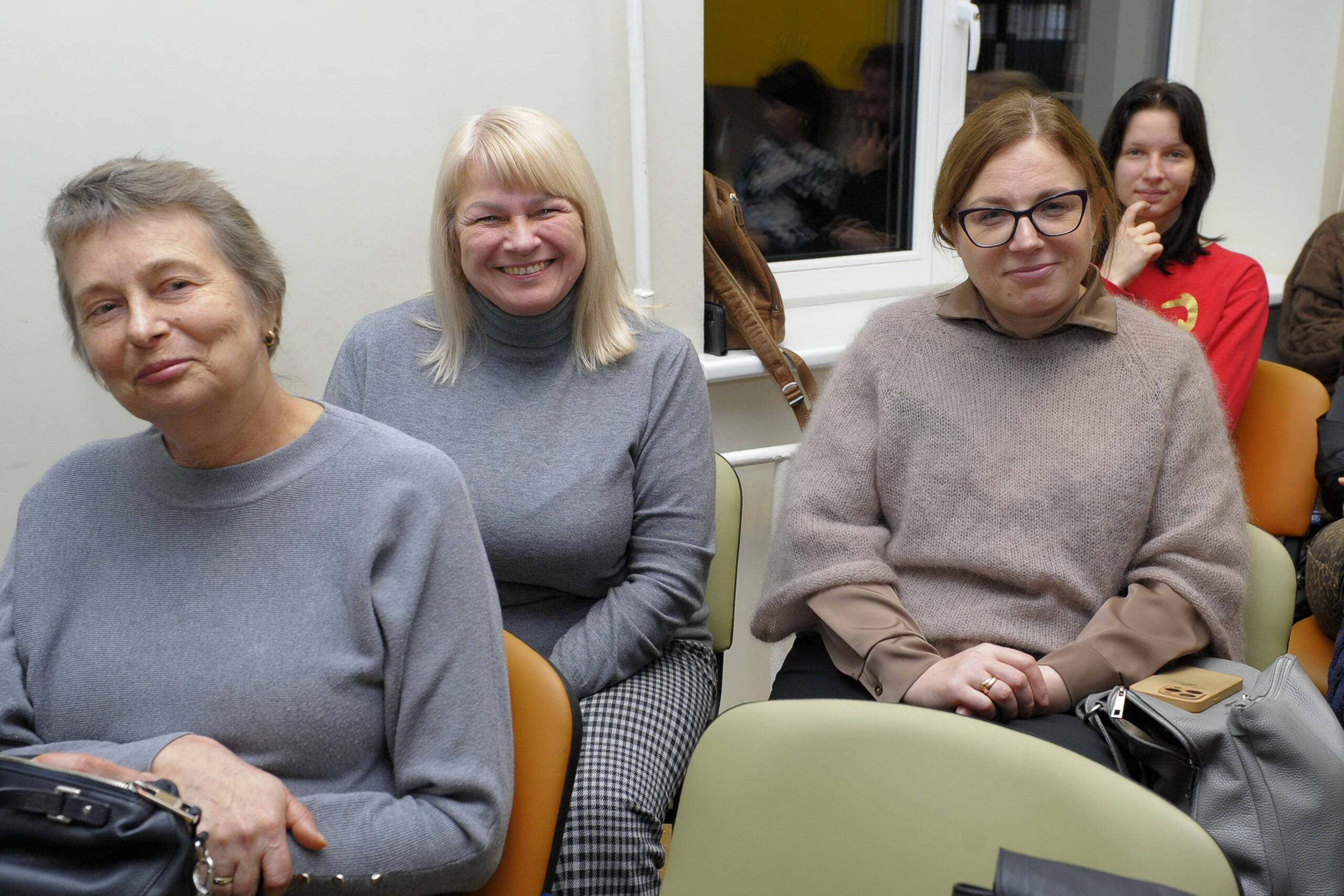
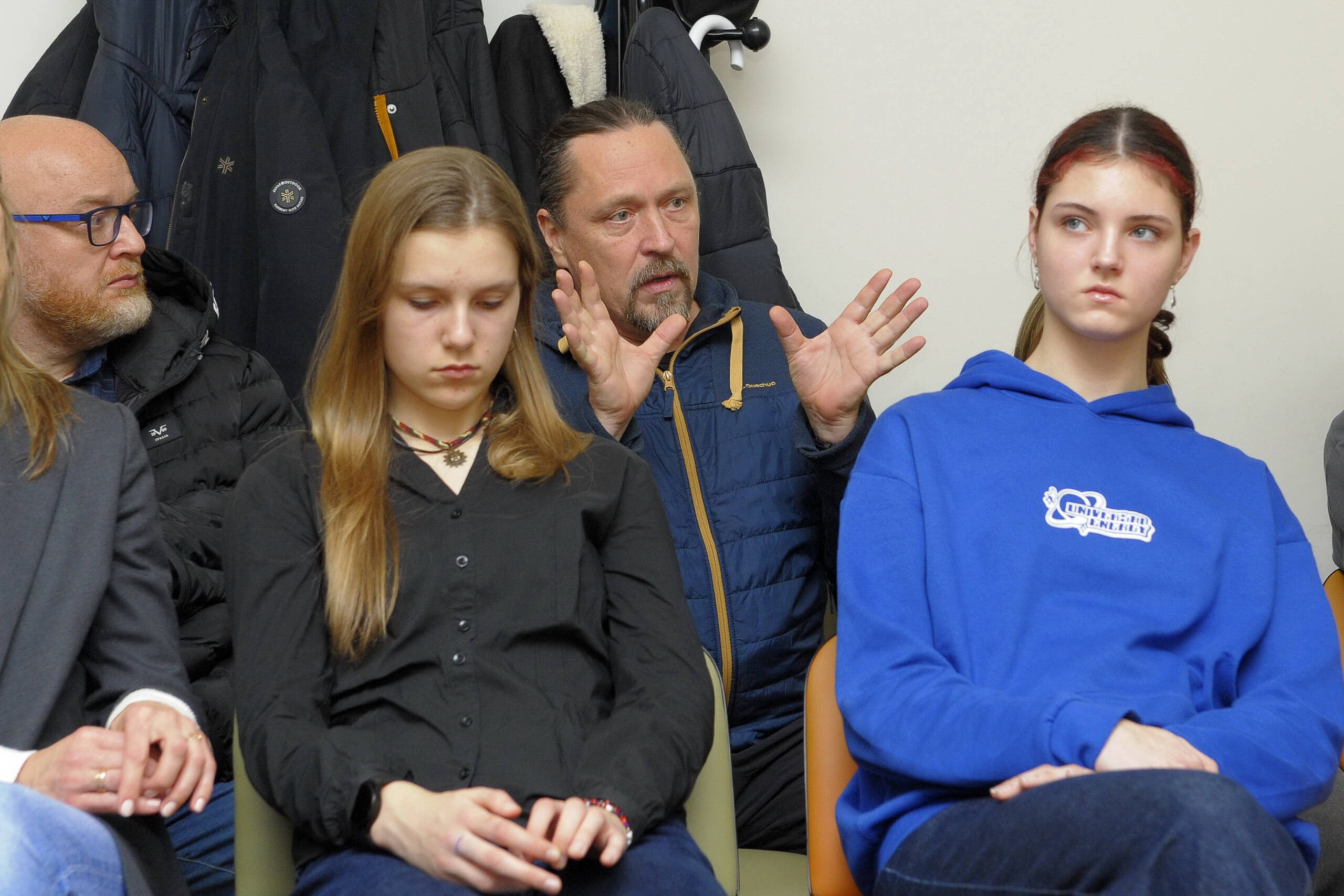
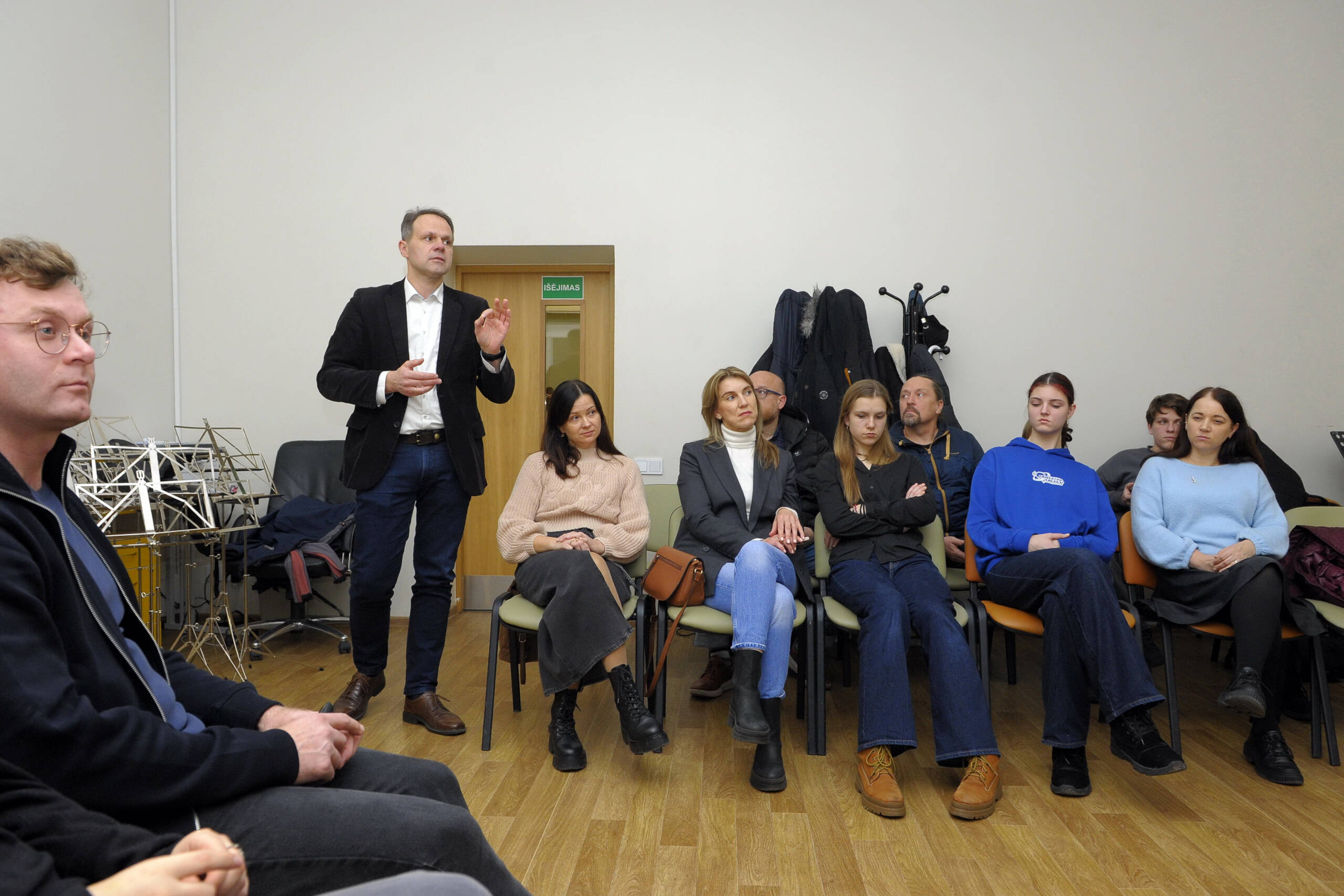
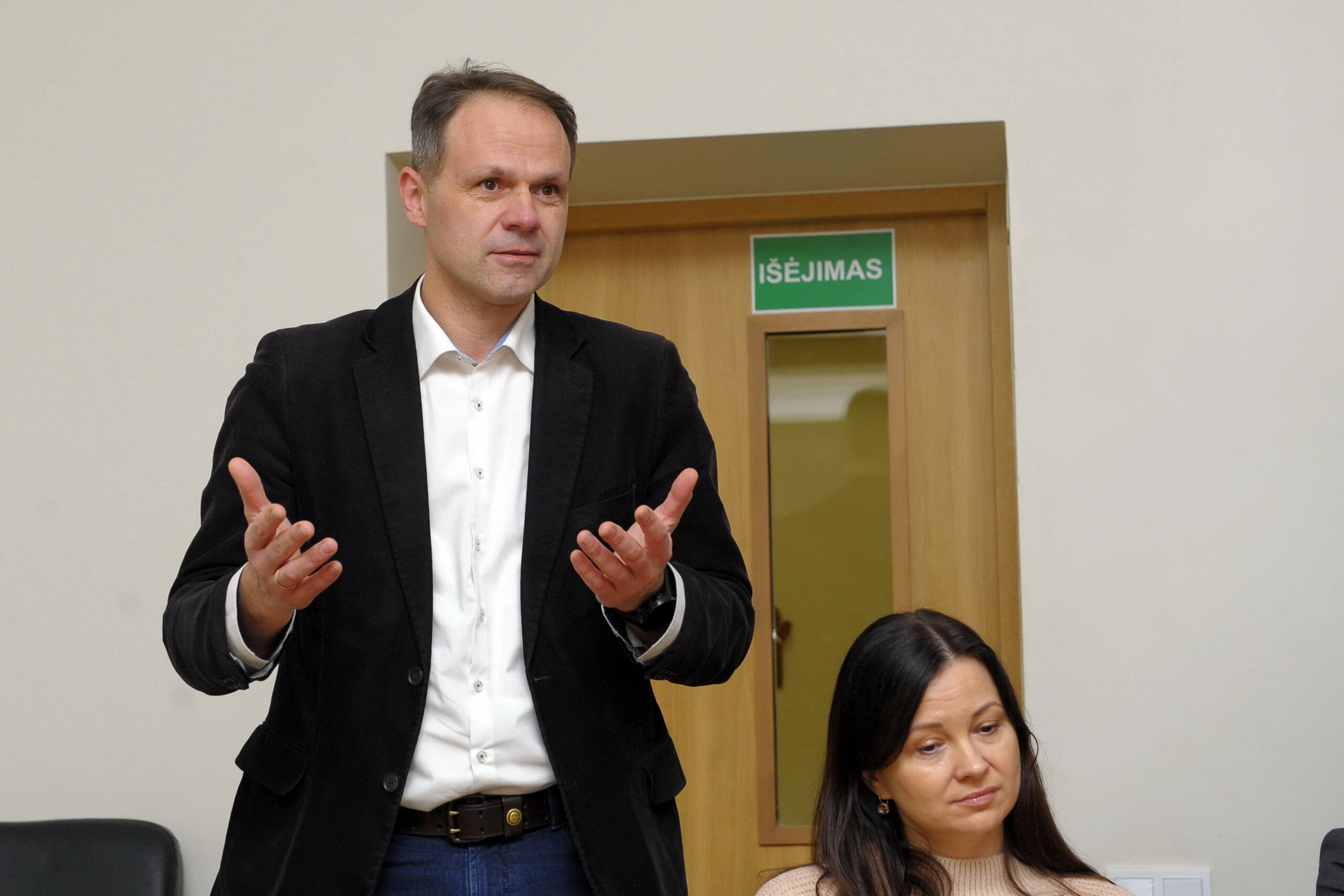
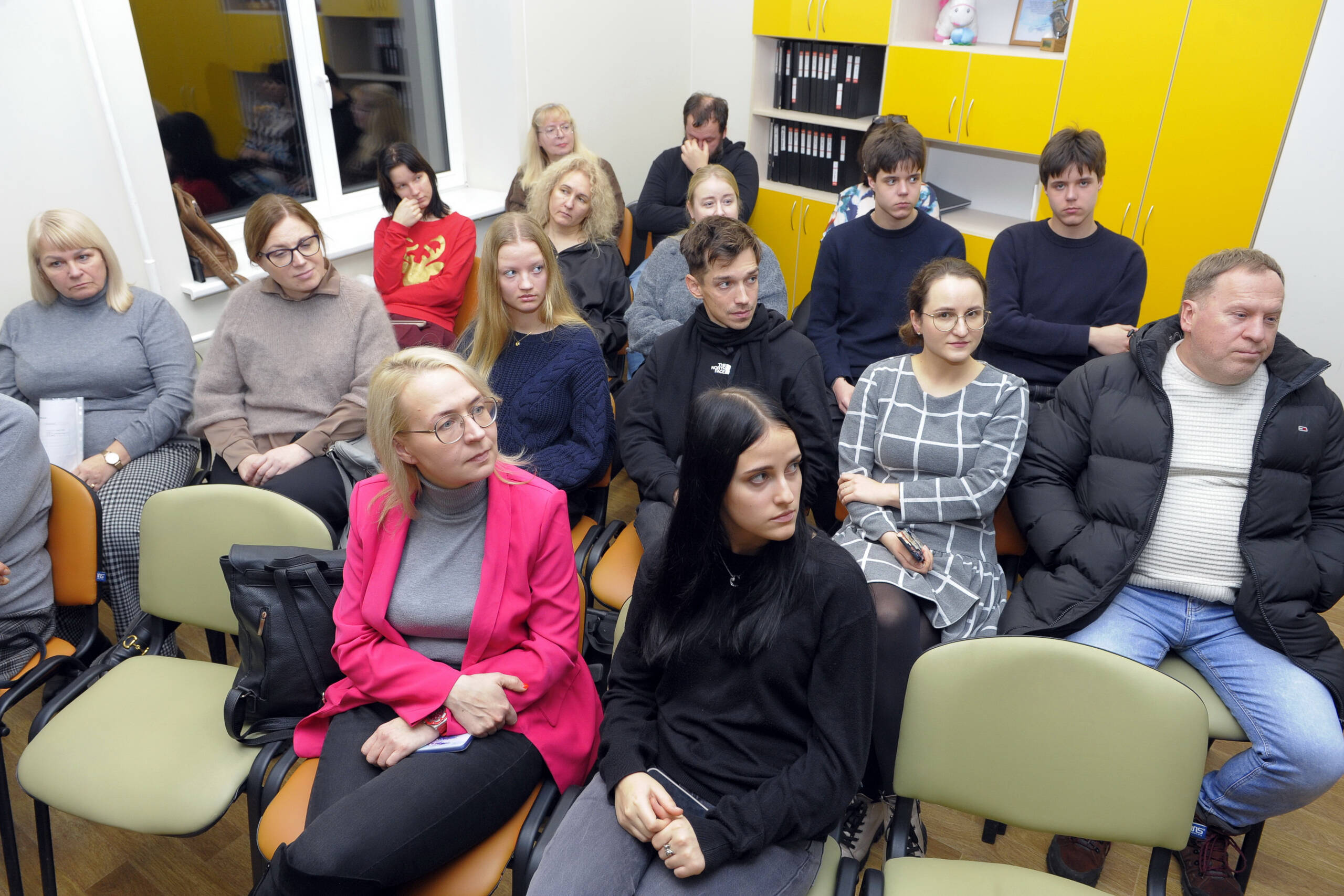
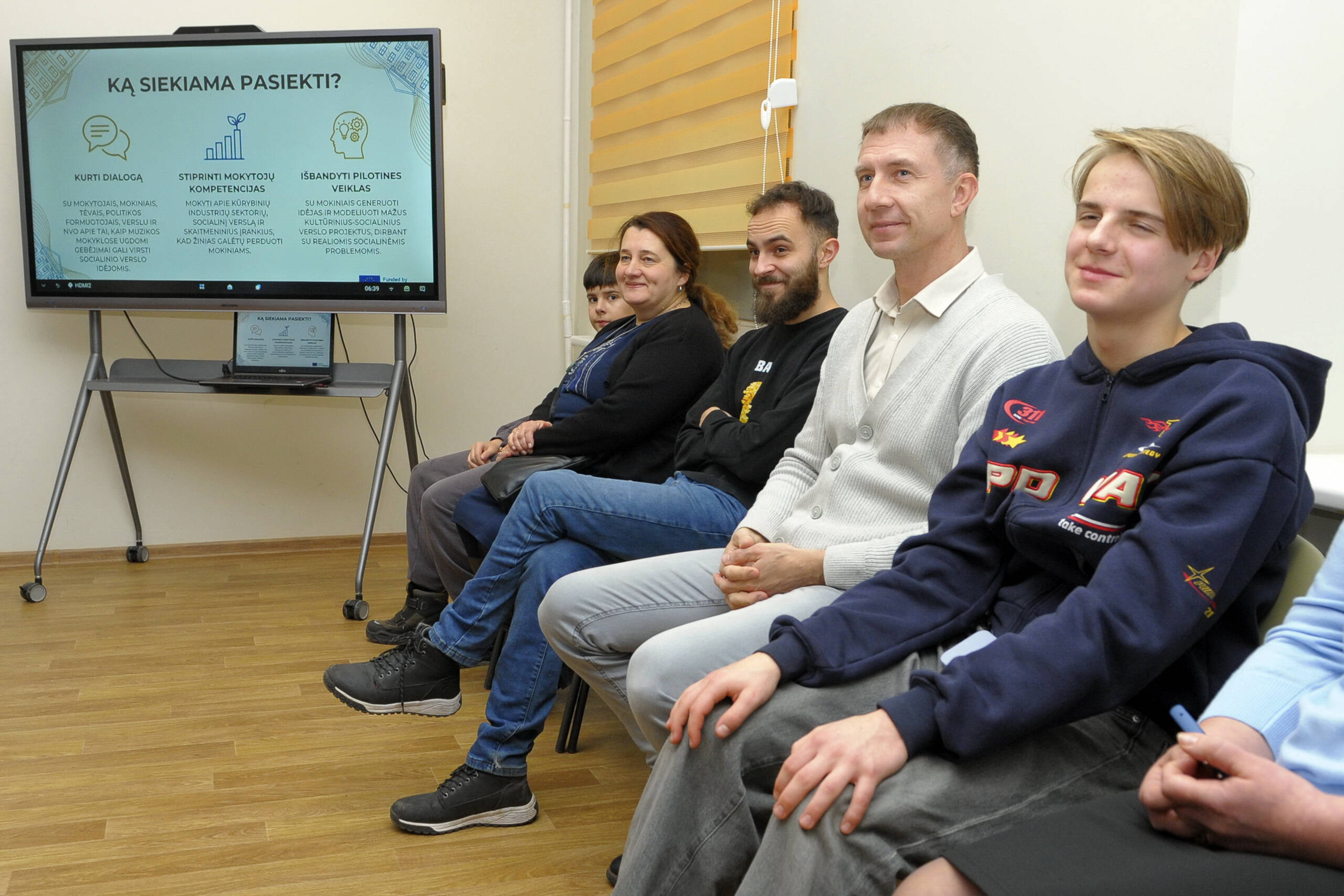
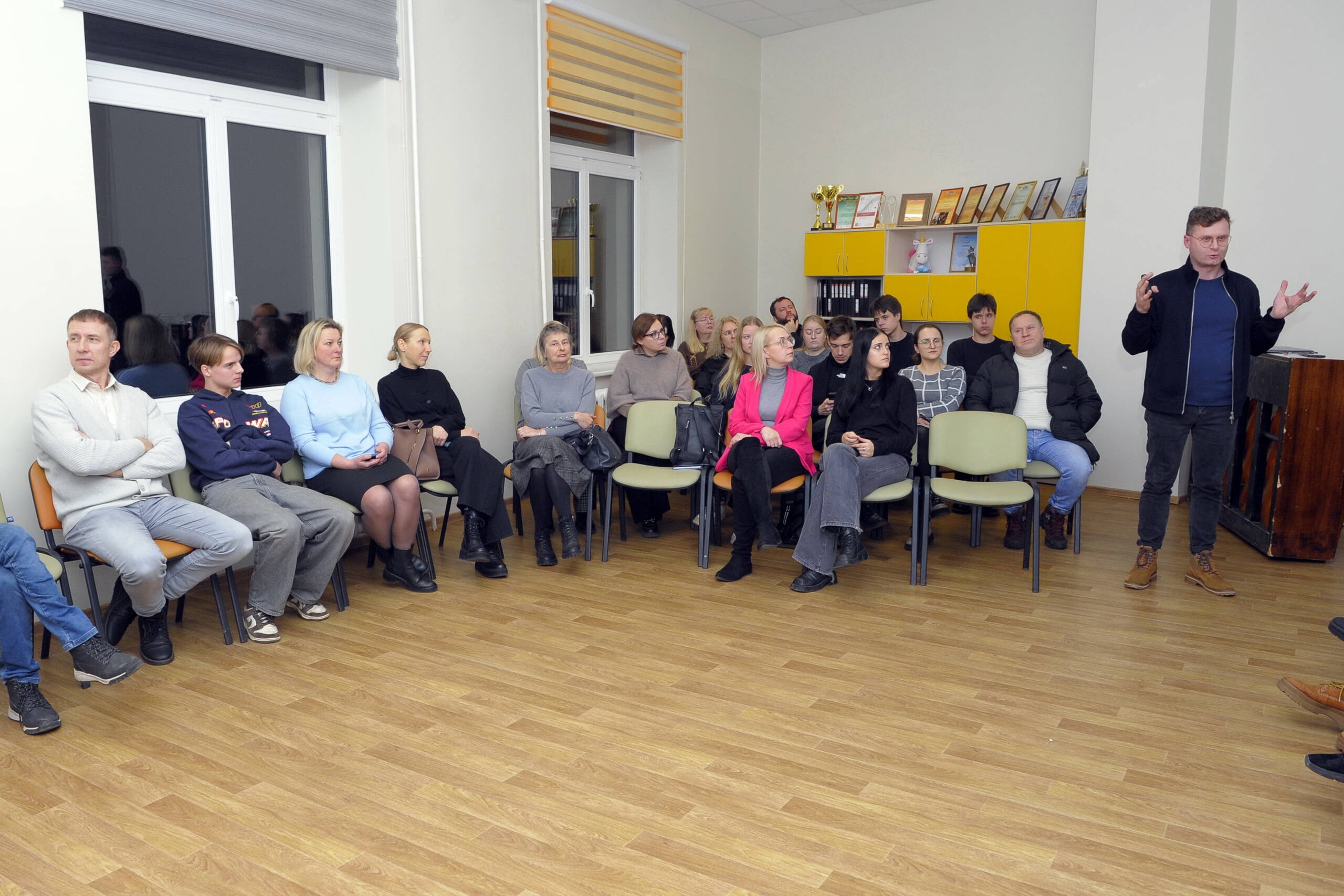
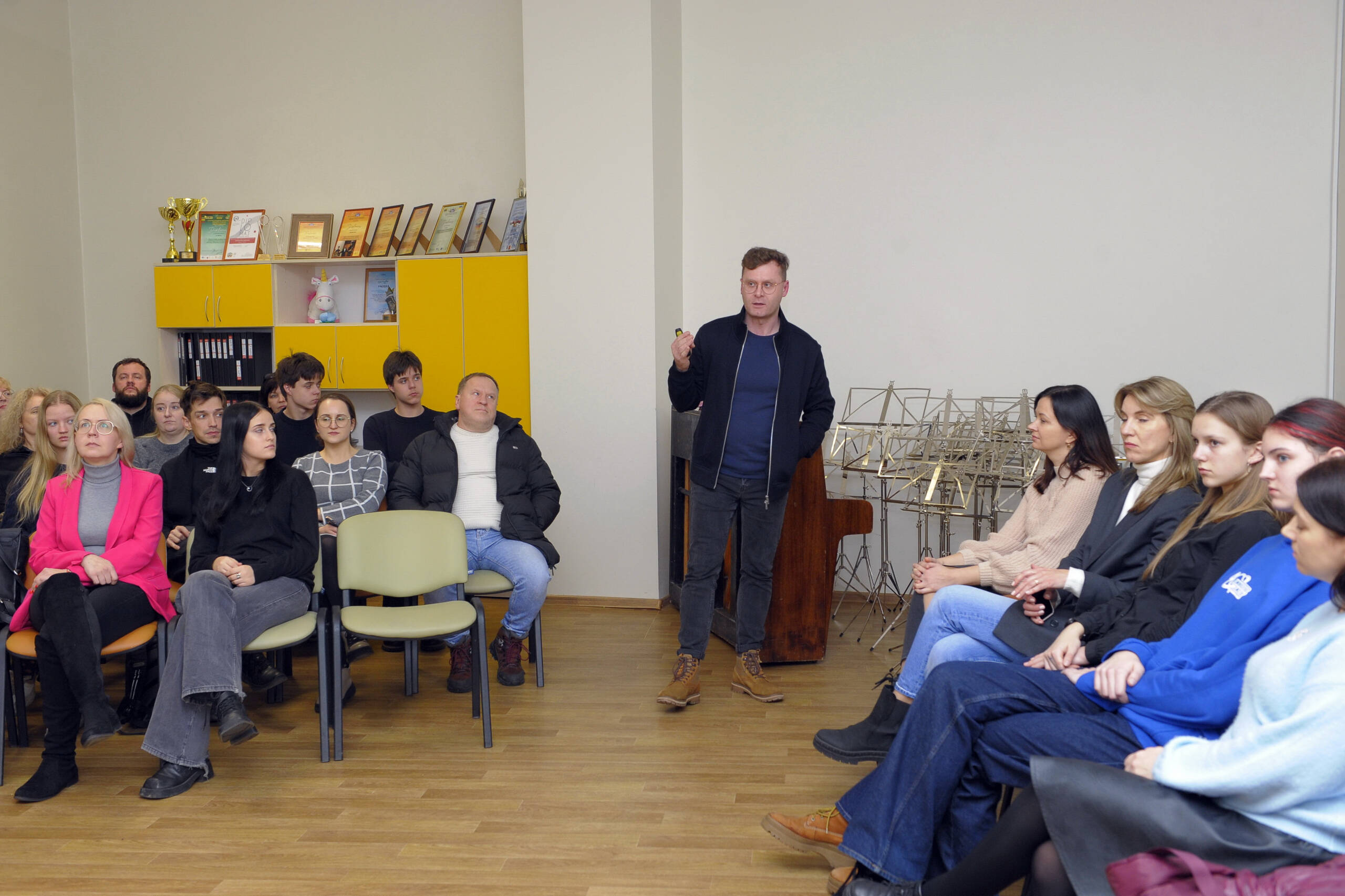
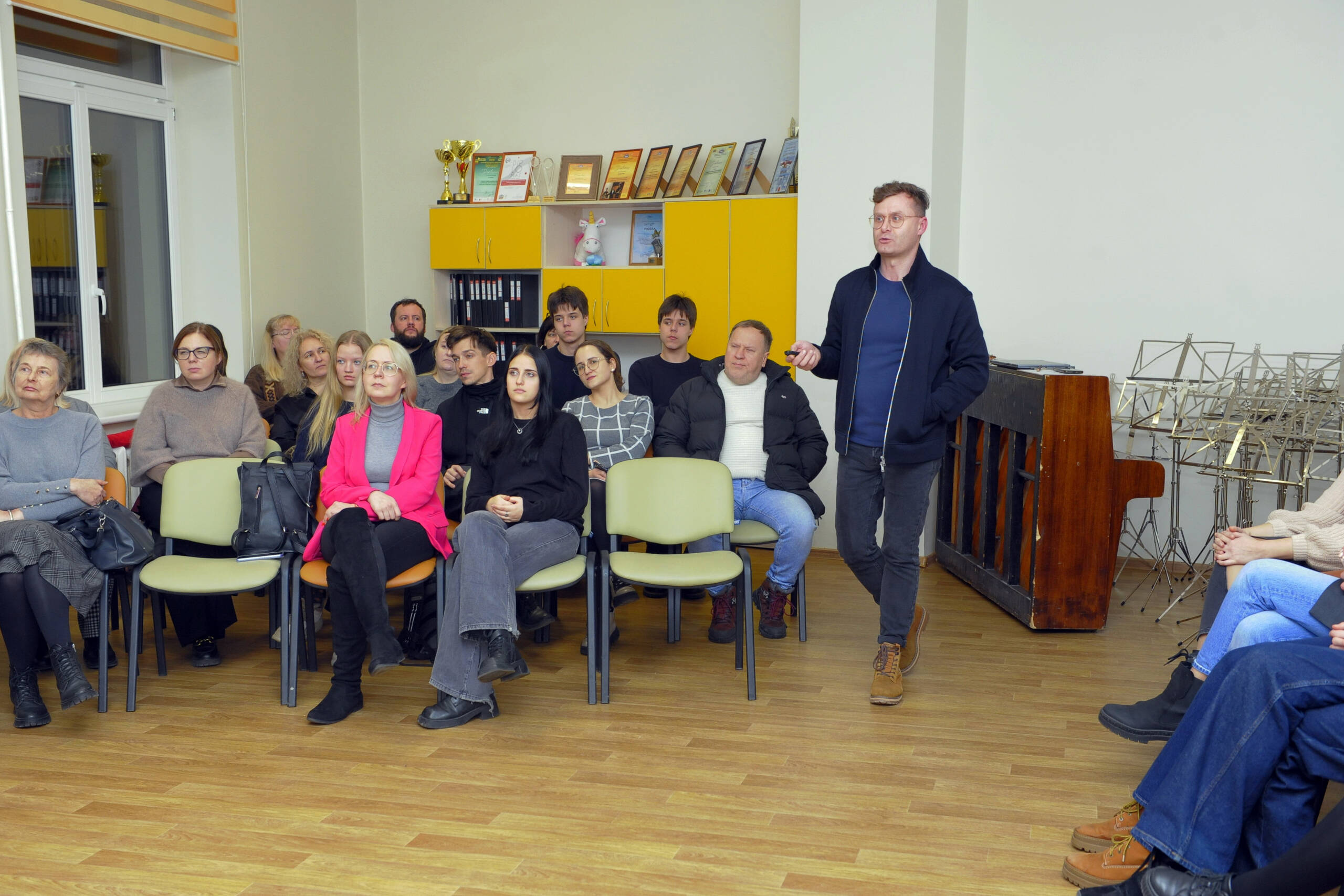
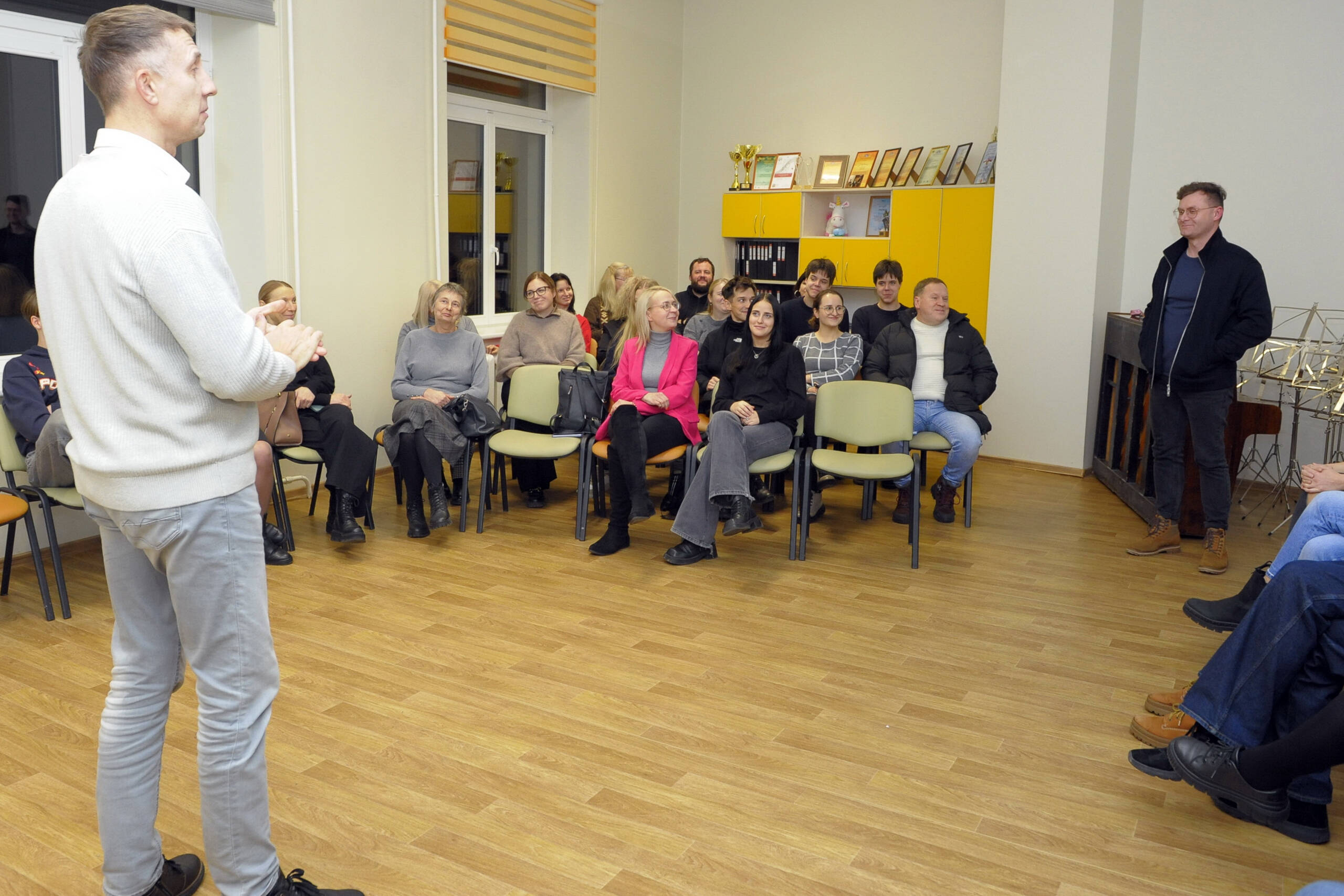
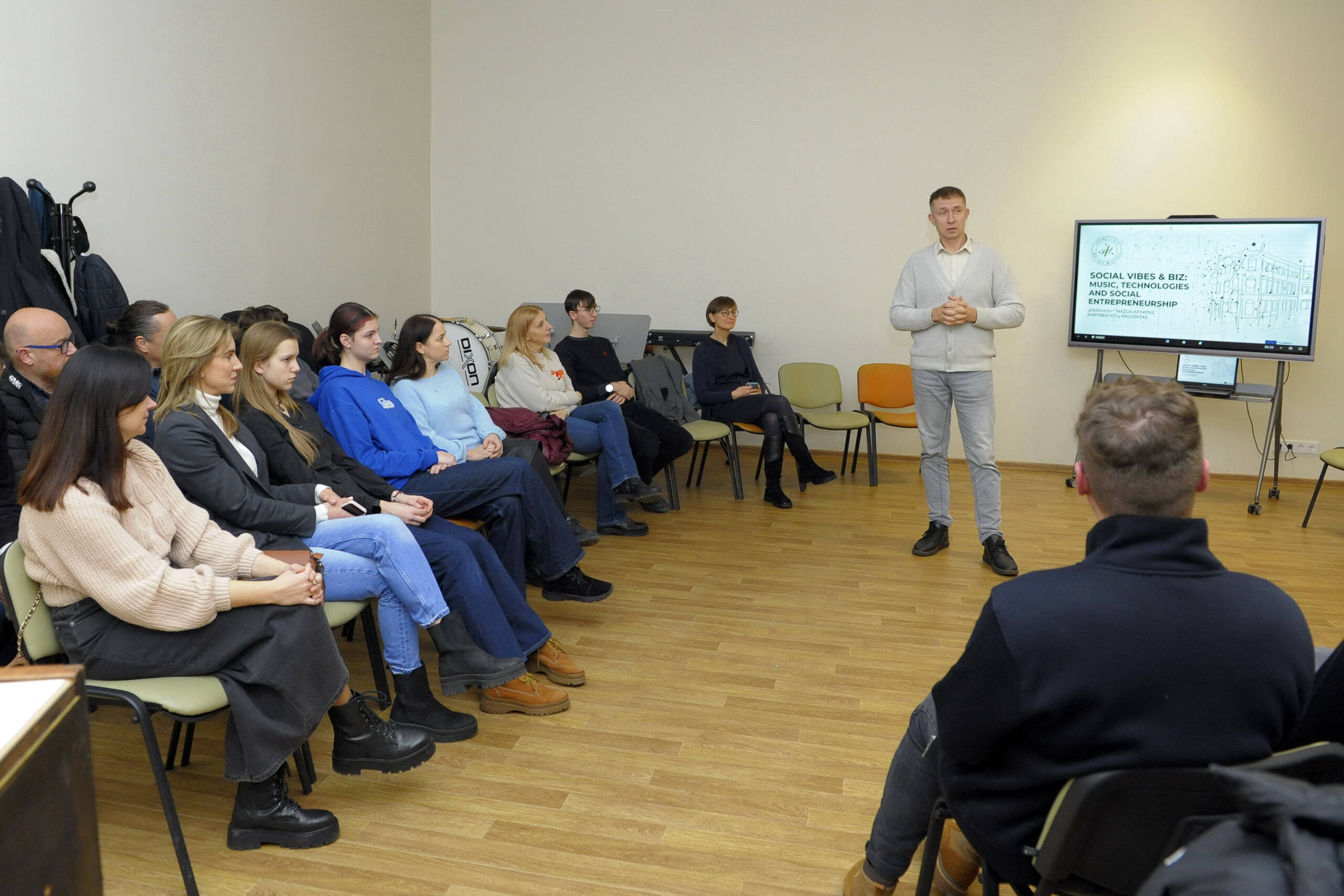
On 8 December 2025, another discussion within the ERASMUS+ KA210-SCH project “Social Vibes & Biz: music, technologies and social entrepreneurship” took place at Kaunas First Music School, focusing on themes of students’ creativity, musical expression and social sensitivity. This time, students and their parents took part in the conversation, seeking to reflect together on how students’ musical competences could be used to address social issues, what role the school community can play in these processes, and what fears, expectations and practical challenges are encountered in everyday life. The discussion became a space not only for searching for ideas, but also for a deeper look at what meaning music education holds today.

Parents openly shared their views on arts education in the age of technology. Most of them stressed that replacing arts education with technologies is very difficult, and perhaps even impossible. In their view, people remain “thirsty” for live performances and for being together at a concert, rehearsal or lesson in which a live instrument is sounding. It was emphasised that in such situations the most important thing is the living relationship with the teacher, the instrument and oneself: through music a dialogue is formed, sensitivity is nurtured, and the ability to listen and to be together with others is developed.
Another important direction of the discussion was devoted to the role of technologies in the contemporary school.
The discussion also raised questions about how much technology should be included in the curriculum. Participants considered whether it would be necessary to further increase the amount of digital tools used in lessons, or whether the main focus should instead be placed on students’ awareness and critical thinking about technologies. They tended toward the latter view, emphasising that it is important not only to use as many IT solutions as possible, but also to teach responsible use of technologies, digital hygiene, and the ability to distinguish high-quality content from superficial or harmful content. In this respect, the music school could become a safe environment in which technologies are used thoughtfully, while artistic activity helps maintain a balance between the screen and live, real experience.
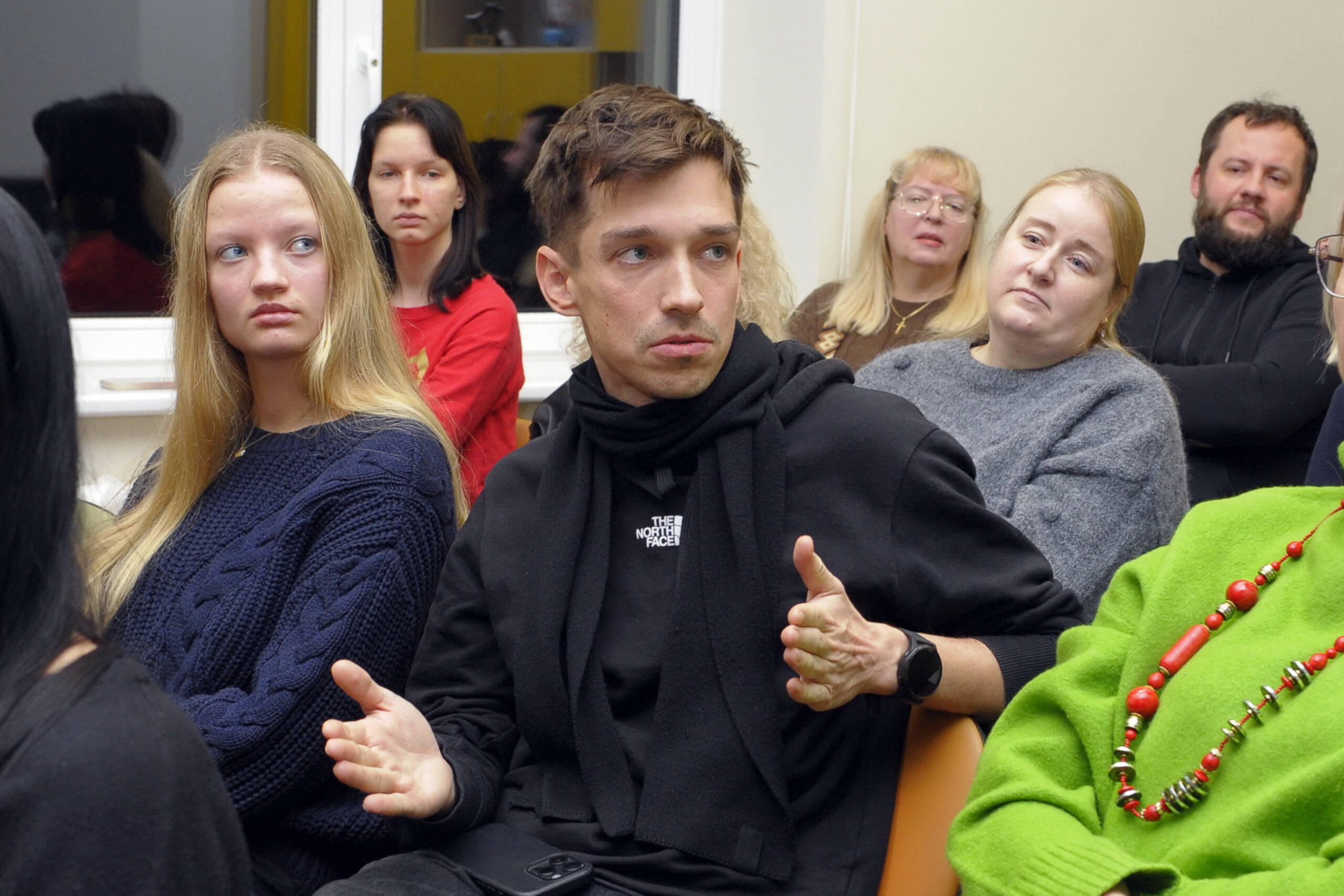
Another significant theme in the discussion was the change of lesson formats and interdisciplinarity. It was proposed to organise more actively projects in which music, theory and historical context are brought together, as well as to include social dimensions.
It was suggested that semester-long projects could become a natural part of the learning process and a form of assessment. Instead of a traditional exam or test, students could present a concert, an art event or a community initiative that would be an expression not only of their musical progress, but also of their social sensitivity and civic stance.
The ERASMUS+ project “Social Vibes & Biz: music, technologies and social entrepreneurship” discussion at Kaunas First Music School showed that music education can become a powerful platform for fostering social sensitivity, responsibility and a sense of community. Parents’ and students’ reflections revealed that music remains an irreplaceable source of live experience.
Photos: accordion teacher-expert Janė Macevičienė
Text by: piano teacher-expert Dr. Domantas Milius
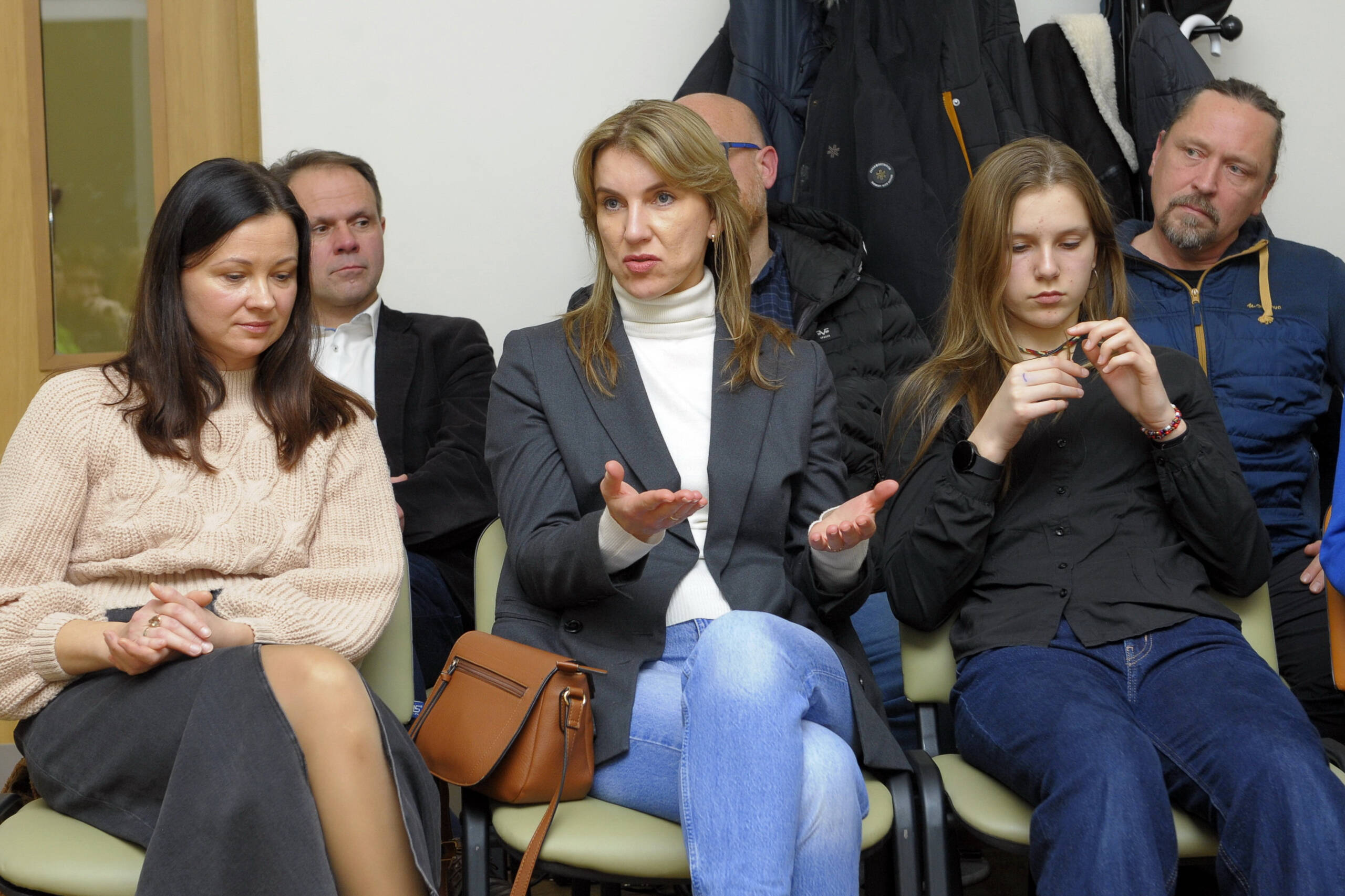
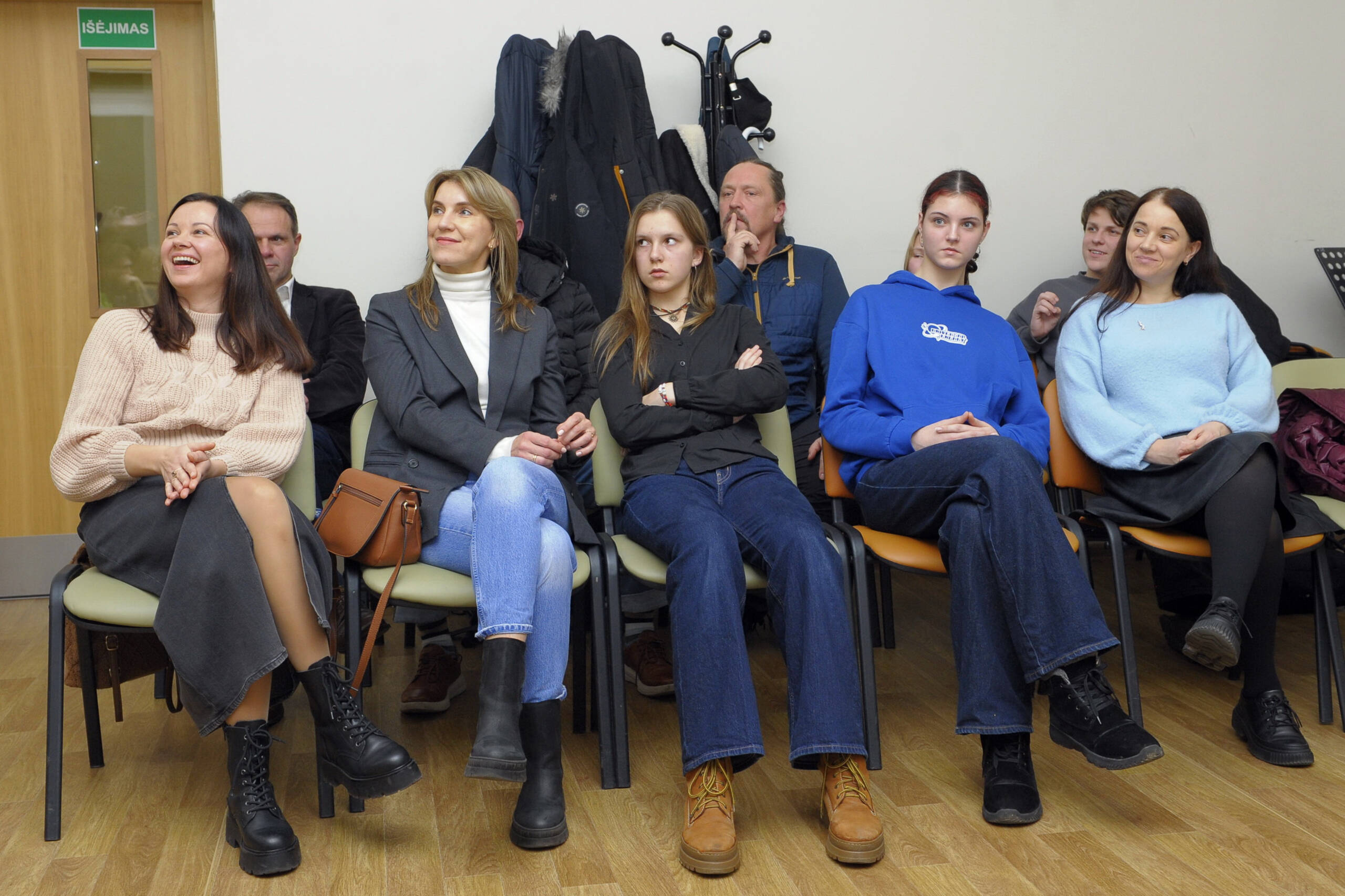
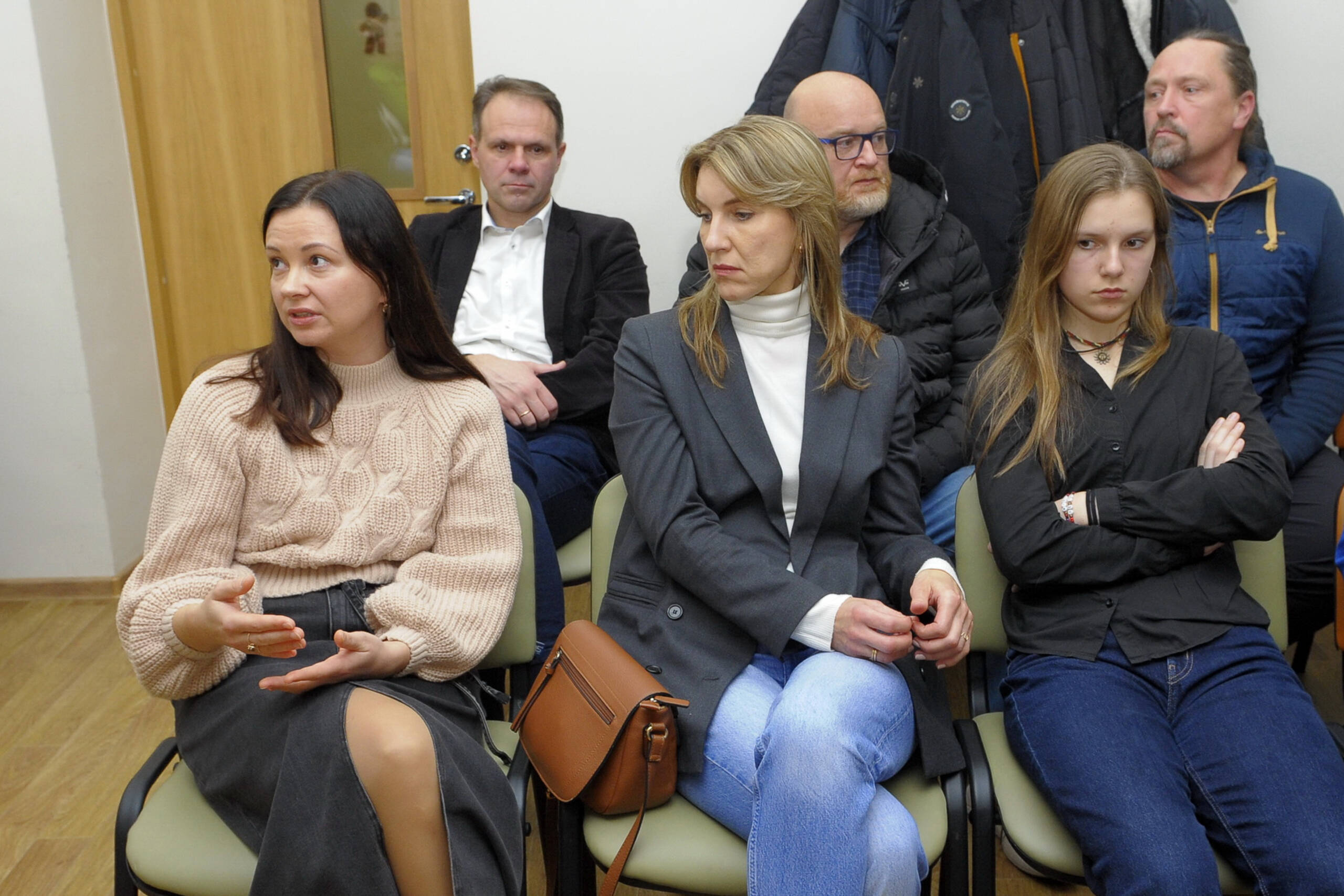
WP1 Strategic Discussion on Social Entrepreneurship in Music Schools.
A1.1.2 Organization of expert discussions involving students and parents


