


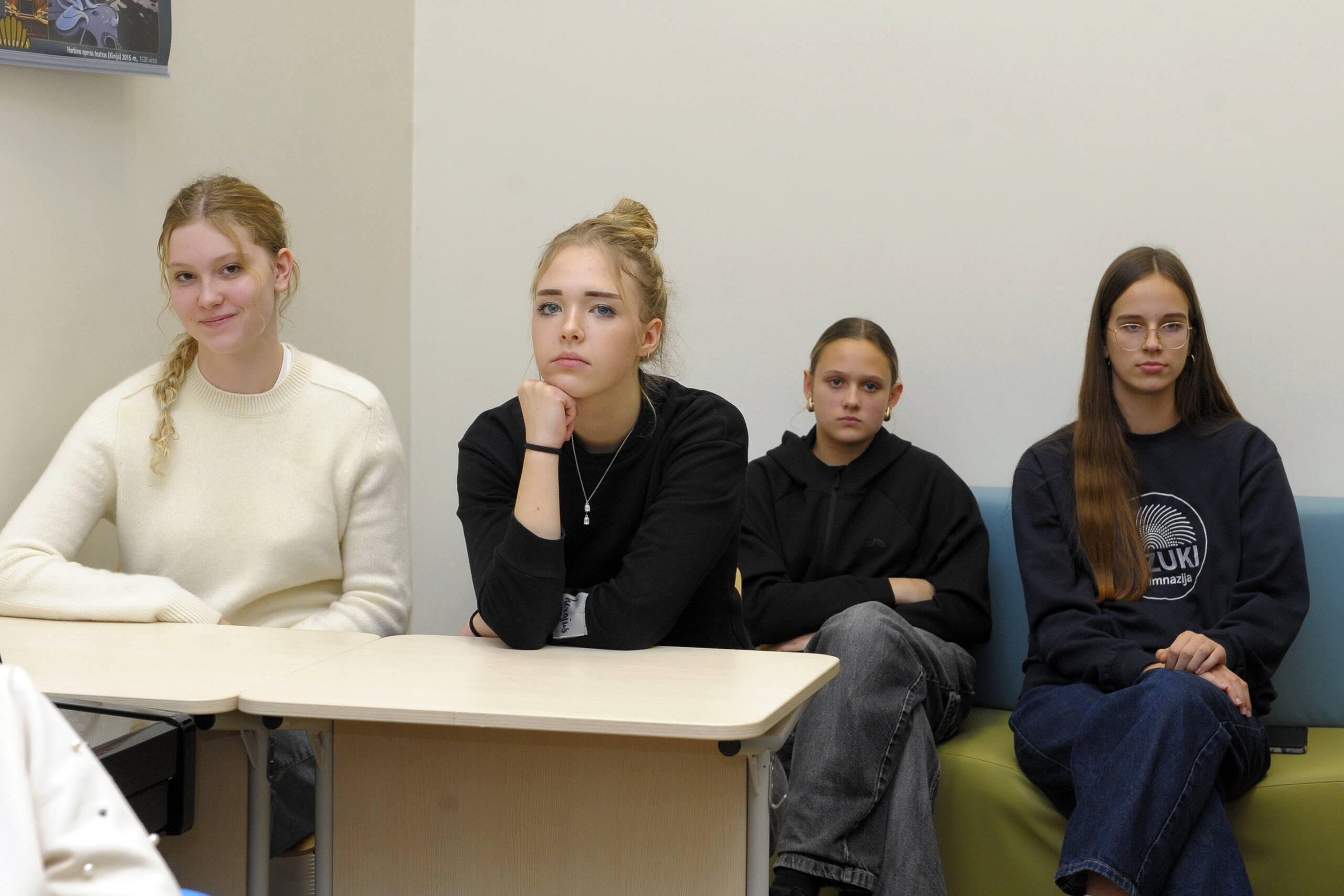
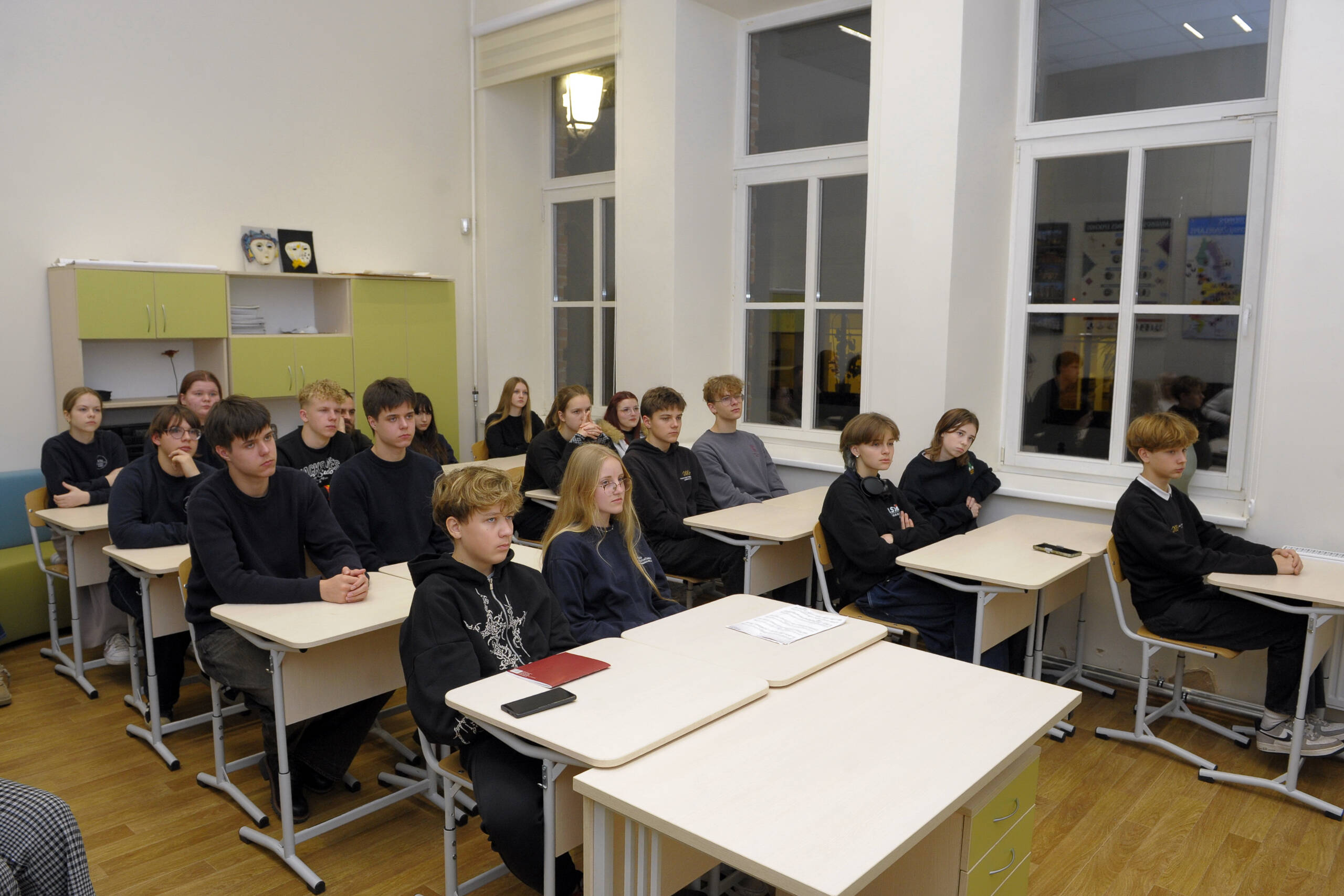
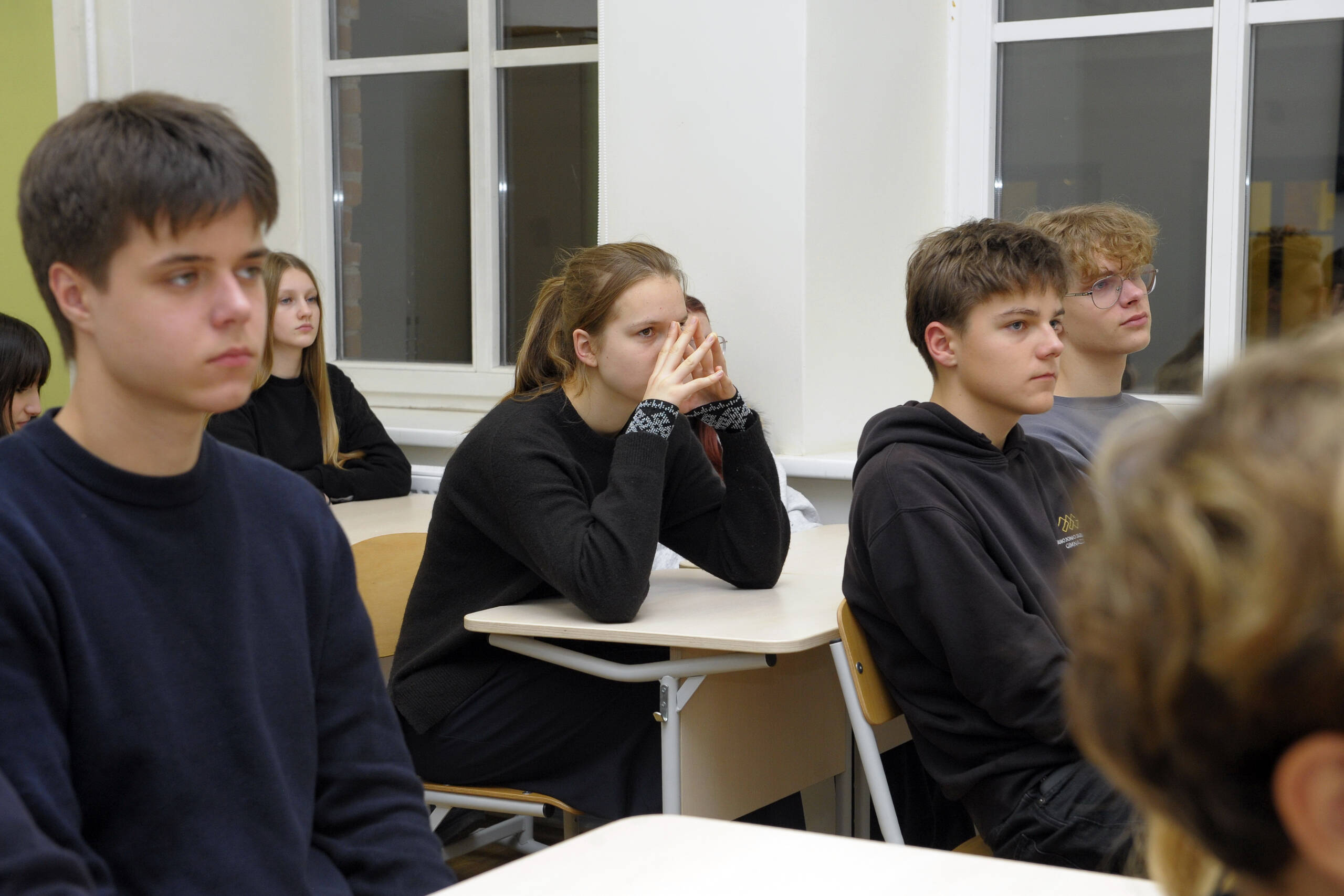
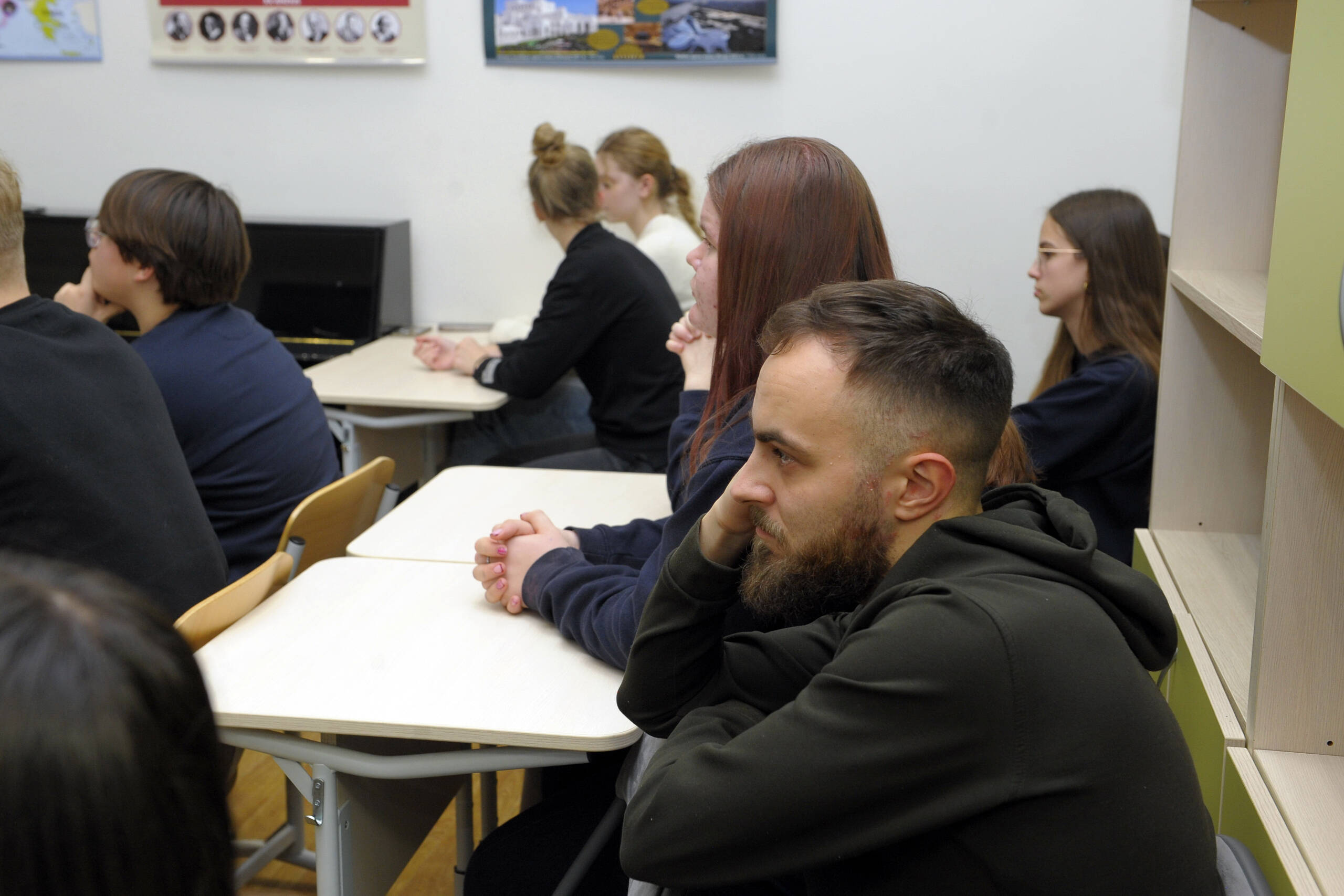
Lecture with social business representatives: Raimonda Kurauskienė

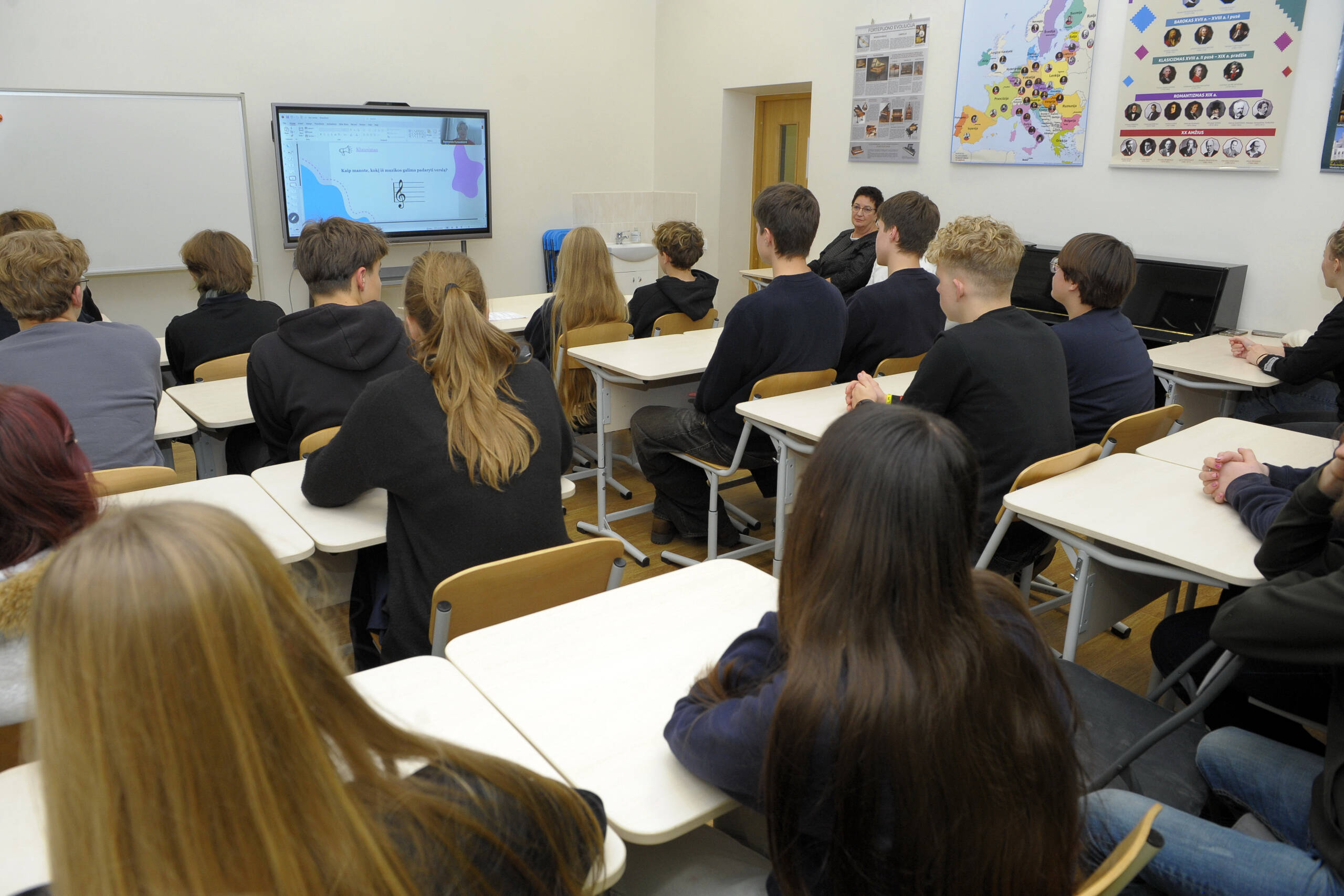
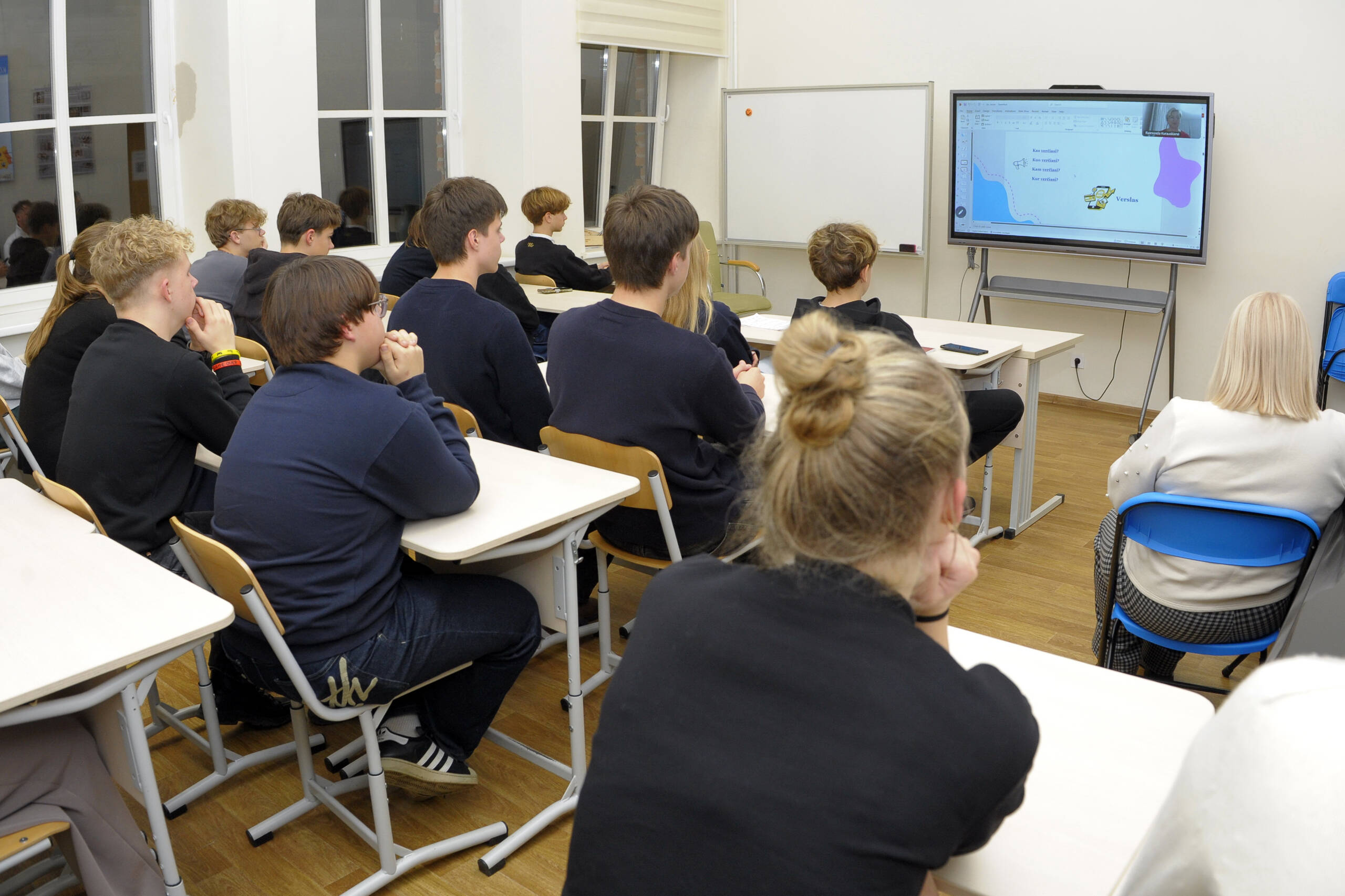
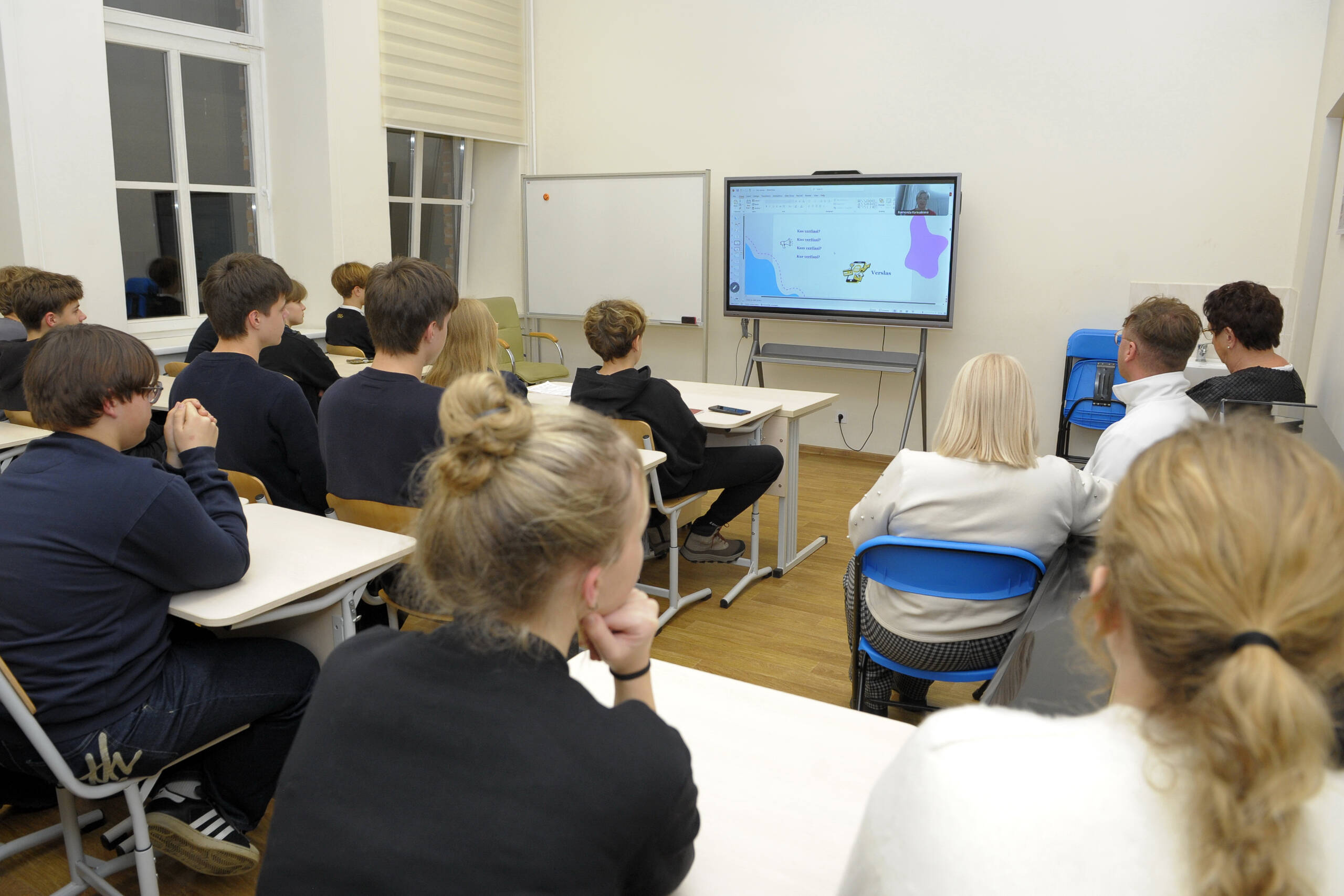
At the start of the lecture, Kurauskienė invited the pupils to think about what kinds of business they could build around musical skills. A songwriter can earn money by selling songs or licensing their use, a performer can put on shows, and a sound professional can provide recording services. The lecture also covered music teaching, educational activities and concert organisation. These examples helped the pupils understand that planning a business activity involves identifying what they can offer and who would pay for it.
Raimonda Kurauskienė went on to explain how musical activity can benefit society. One approach is to provide a service to people who lack access to it.
Another is to create employment opportunities for people who face barriers to finding work or use part of the income to meet the needs of a particular group. She also discussed the common belief that all services provided by social enterprises should be free. Income from paid services can keep an activity going and make it possible for people with fewer opportunities to take part. Using “Garso alchemija” as an example, she explained how commercial audio and creative services could help fund activities for children experiencing social exclusion. She drew on the example of Klaipėda’s “Grock” studio to discuss how paid music lessons could be combined with community activities. In both cases, it is important to identify where the income would come from and who would benefit from part of it. She spoke in more detail about her own creative project, “Musė vardu Eimusė” (“A Fly Named Eimusė”). She explained that she had started with her favourite lullabies. Sometimes she would choose a melody first and write a fairy tale to go with it. At other times, she would look for a suitable lullaby for a story she had already written. Her family, pupils and colleagues helped develop the idea. Her daughter sang, her pupils played and the school’s head arranged the music. This work became the basis for the book “Kas atneša sapnelį? Musė vardu Eimusė” (“Who Brings the Little Dream? A Fly Named Eimusė”) and its accompanying music education activities.
In sessions at schools, kindergartens and other venues, children get to know the characters in the story, listen to lullabies and try playing the kanklės themselves. The musical stories also reach families. Using the QR codes in the book, children and their families can listen to the lullabies at home. According to Kurauskienė, more than 1,500 children have been introduced to Eimusė’s stories and music through the various activities.
At the end of the lecture, Raimonda Kurauskienė asked the pupils to think about what they enjoy doing and what they do best. The next step is to identify people who might benefit from their skills and consider what problem a particular music service could help solve.

The pupils can draw on these questions as they develop their own social and cultural business models, which will be presented on 25 November.
Photos: Janė Macevičienė, expert accordion teacherPrepared by: Dr Domantas Milius, expert piano teache
ERASMUS+ KA210-SCH project “Social Vibes & Biz: music, technologies and social entrepreneurship”.
WP3 Piloting Cultural-Social Entrepreneurship
Education. A3.2.1 Lectures with social business representatives.


