


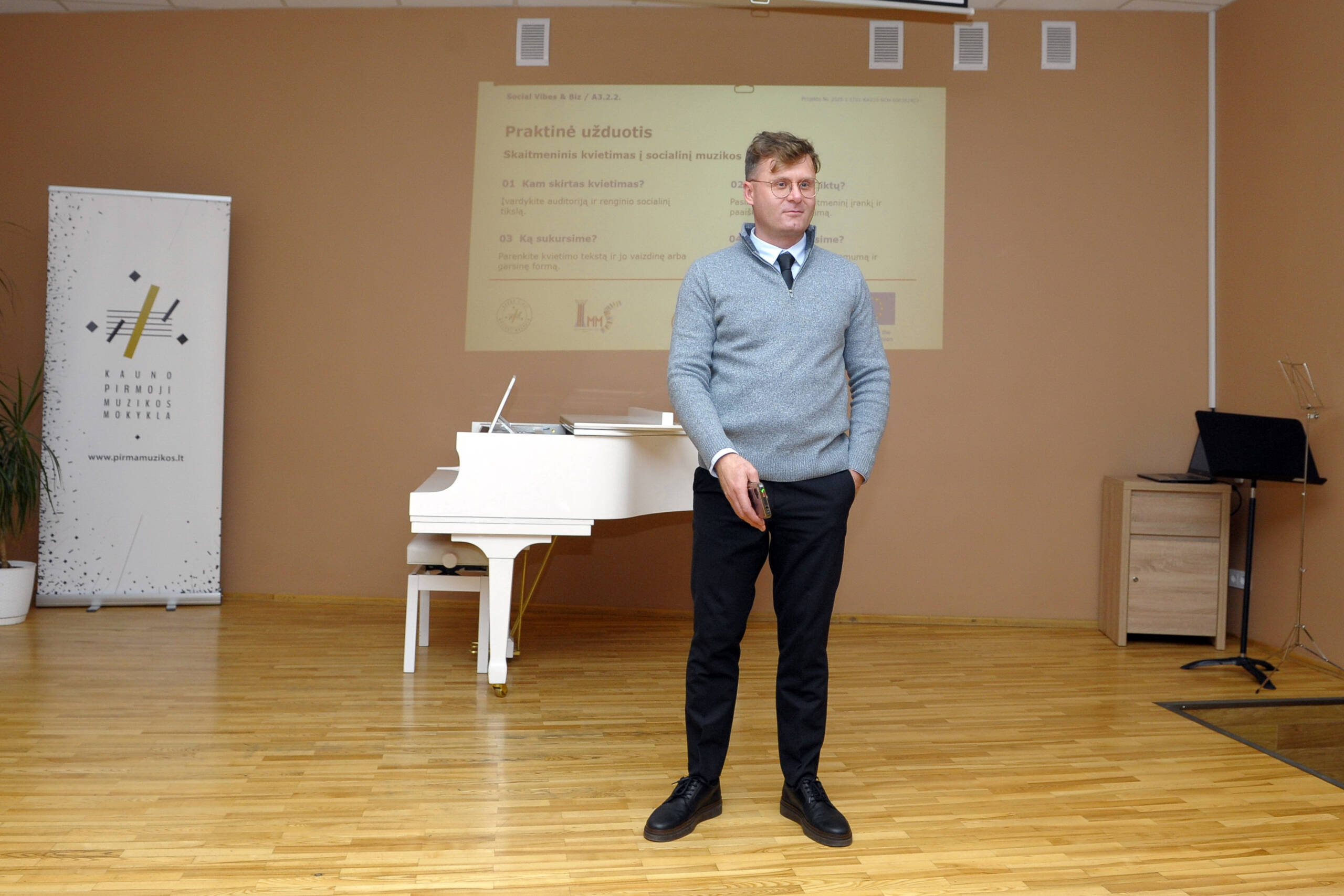
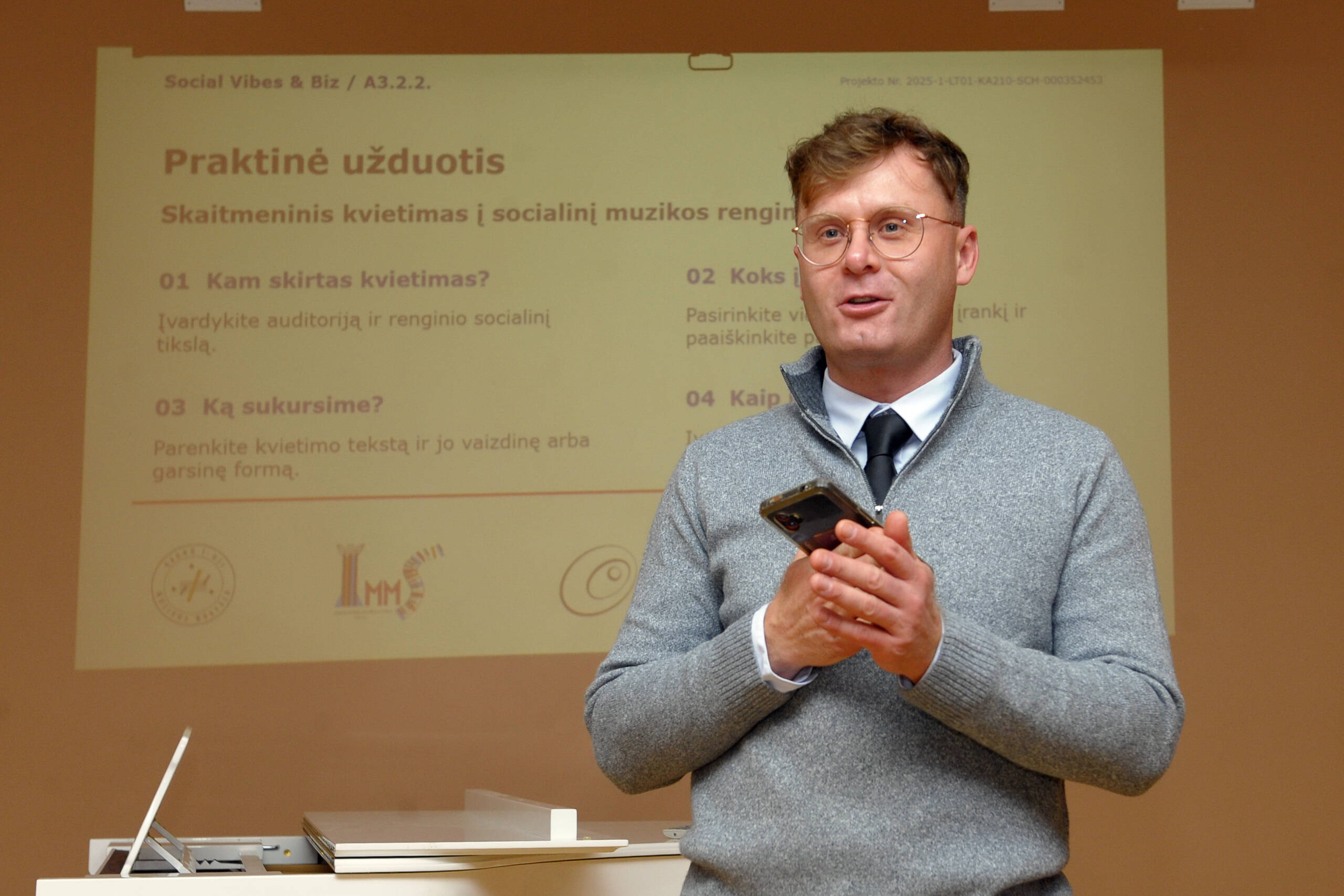
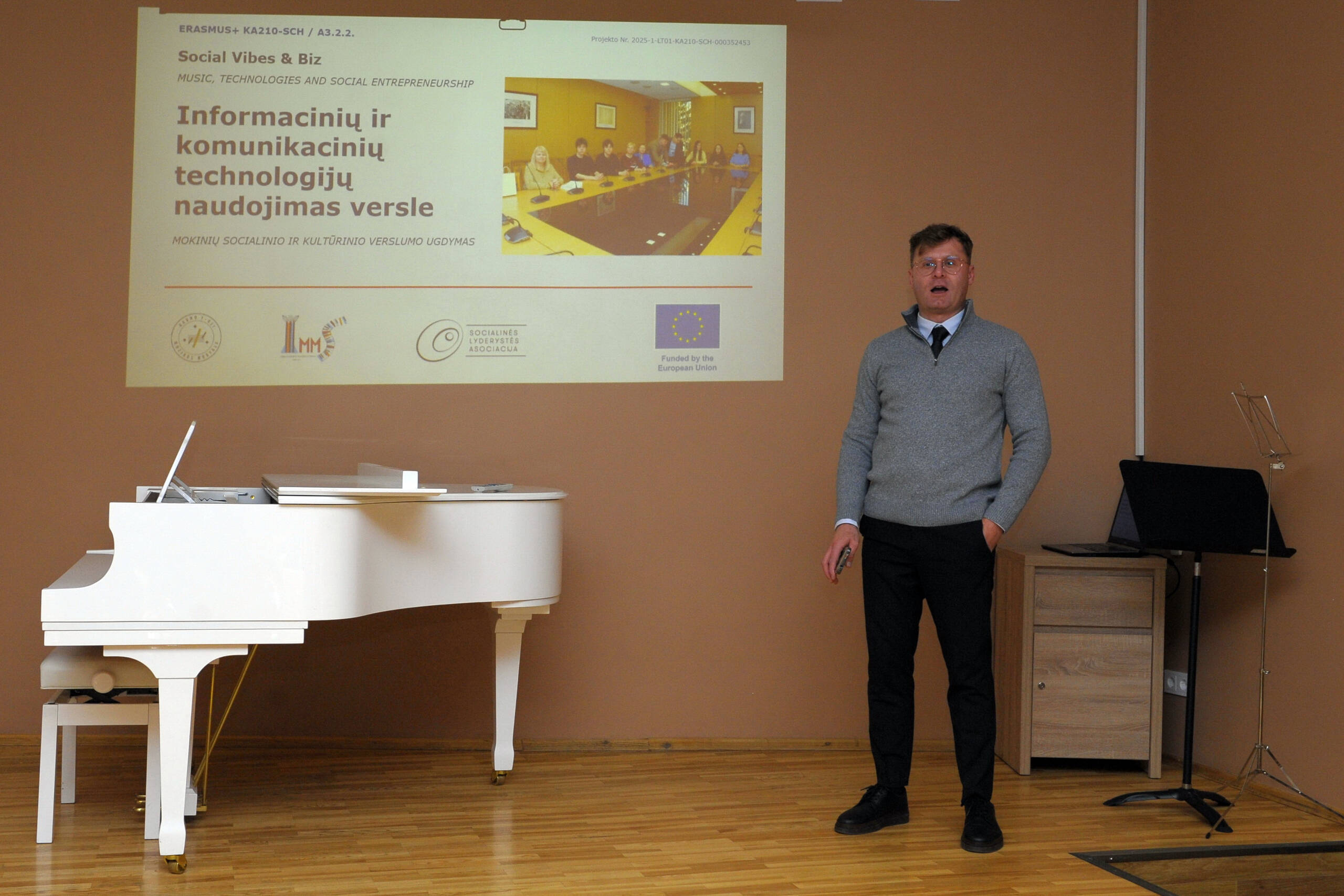
Lecture on using ICT in social enterprise: from a musical idea to a digital invitation

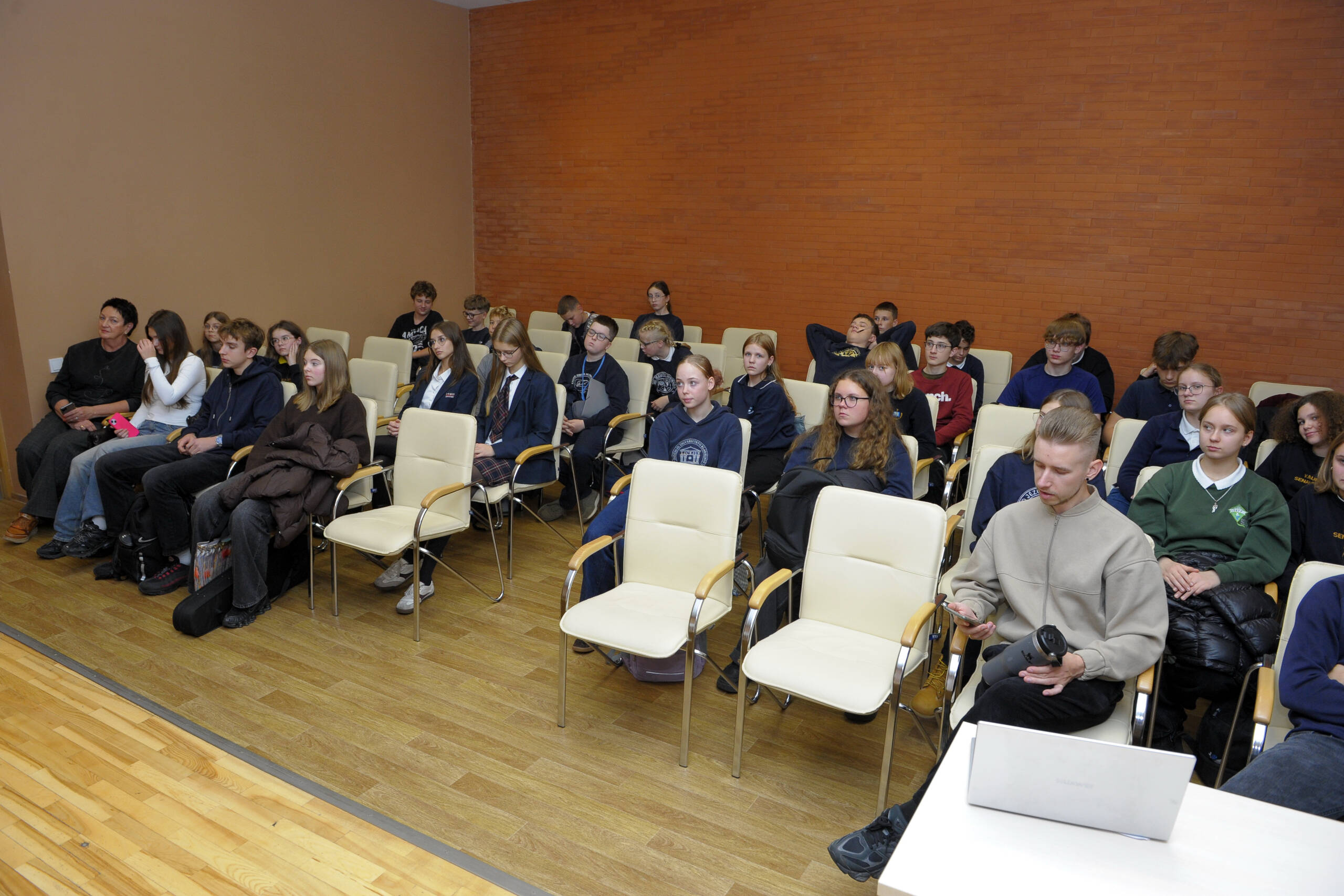
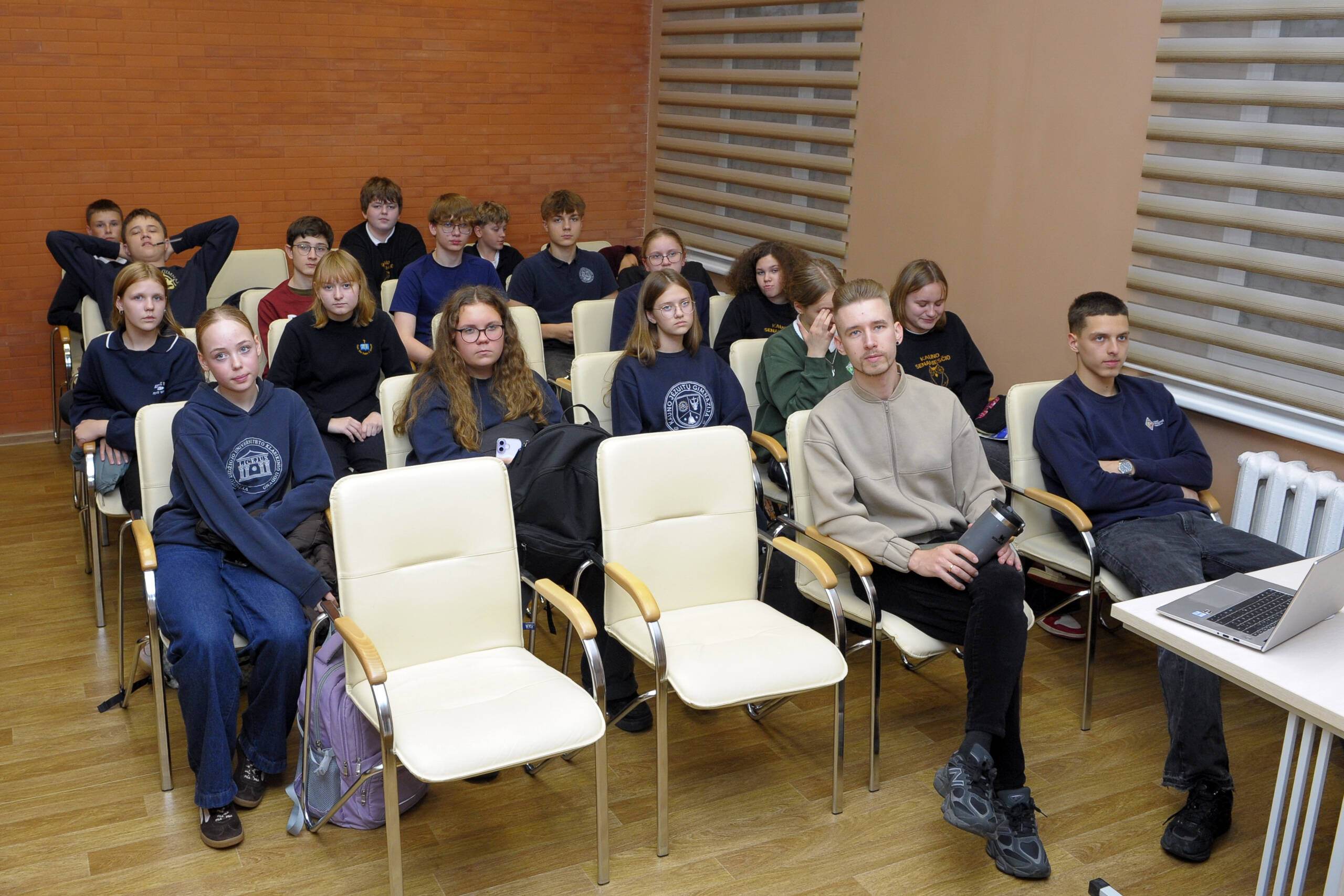
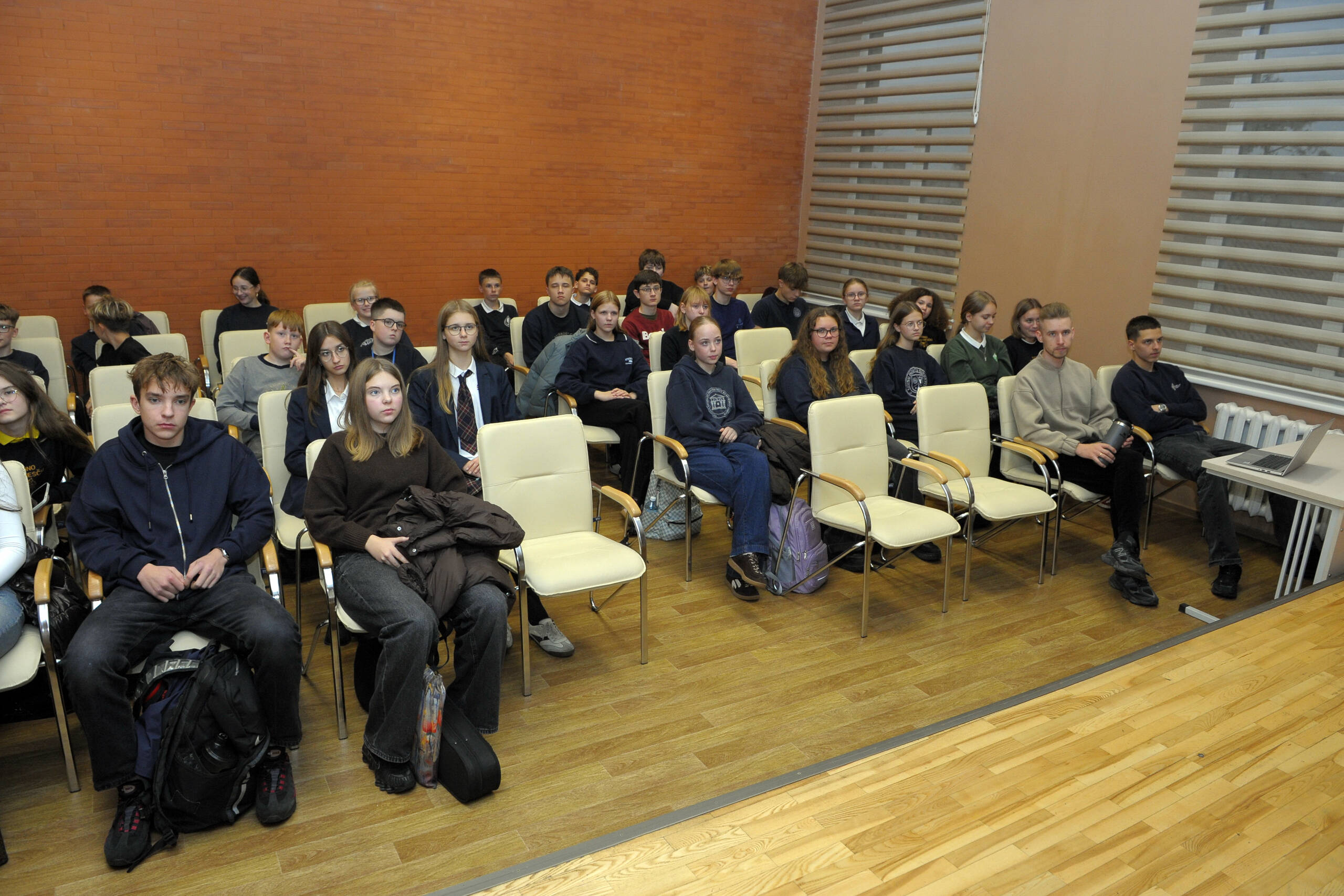
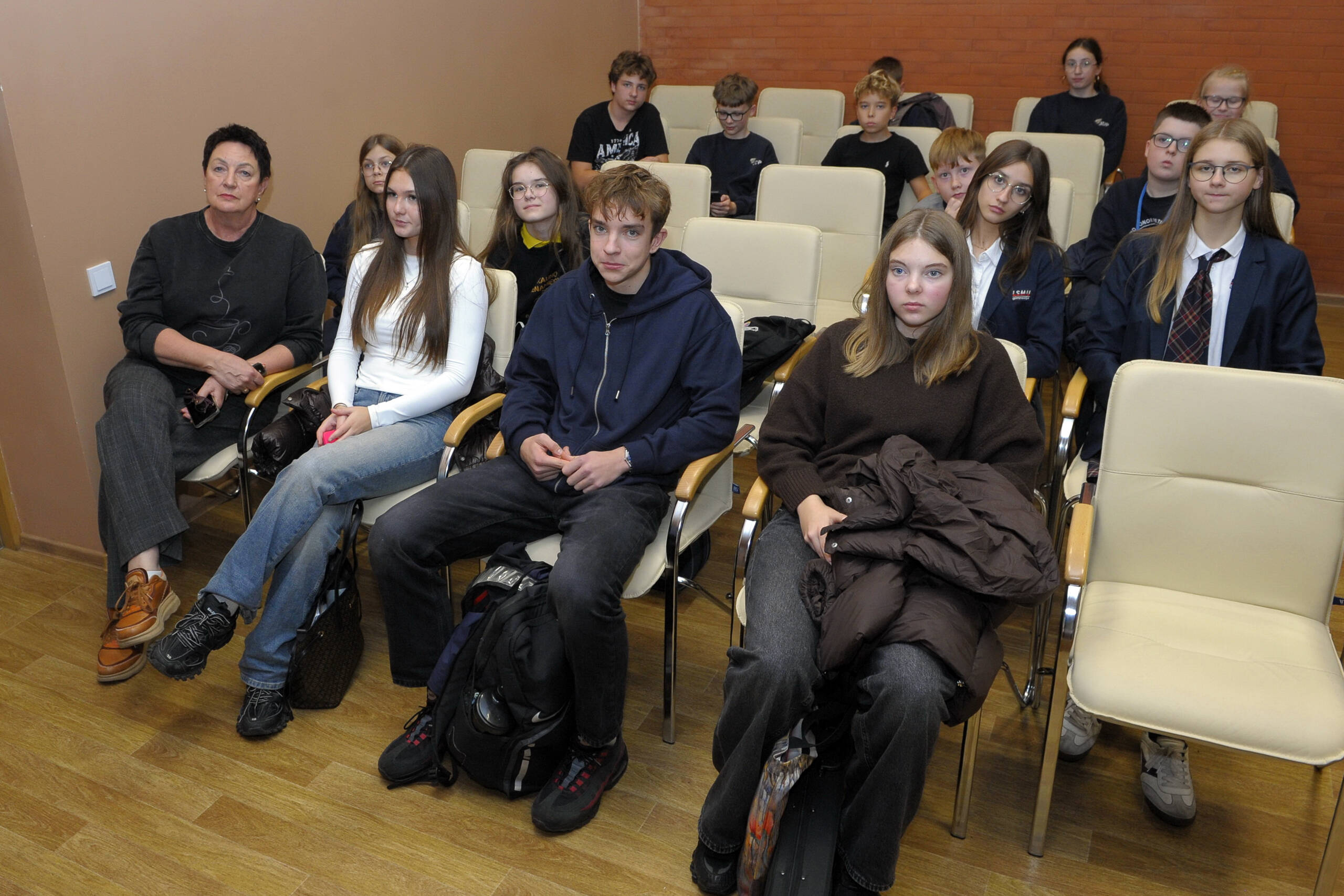
In the sessions, pupils explored what digital tools could help them do as they developed and put a musical idea into practice. They discussed recording and editing audio, experimenting creatively with artificial intelligence and producing musical content. When considering which tools to use, they thought about what they wanted to achieve. Recording a short excerpt from a piece, combining several audio tracks and presenting an event to an audience call for different tools.
The sessions also covered teamwork. A shared document allows a group to record its idea, divide up tasks and see what work is still to be done.
A registration form helps organisers find out in advance how many people intend to attend, while social media posts and videos can inform the intended audience about the activity. The pupils considered which of these approaches would suit the music event they were planning. They also discussed how to make information accessible to people with different needs. A clearly written invitation is easier to read and understand. Captions make a video easier to follow for people who have difficulty hearing the audio or who watch with the sound off. The pupils also considered what they would need to bear in mind when using other people’s music, images or audio recordings in an invitation.
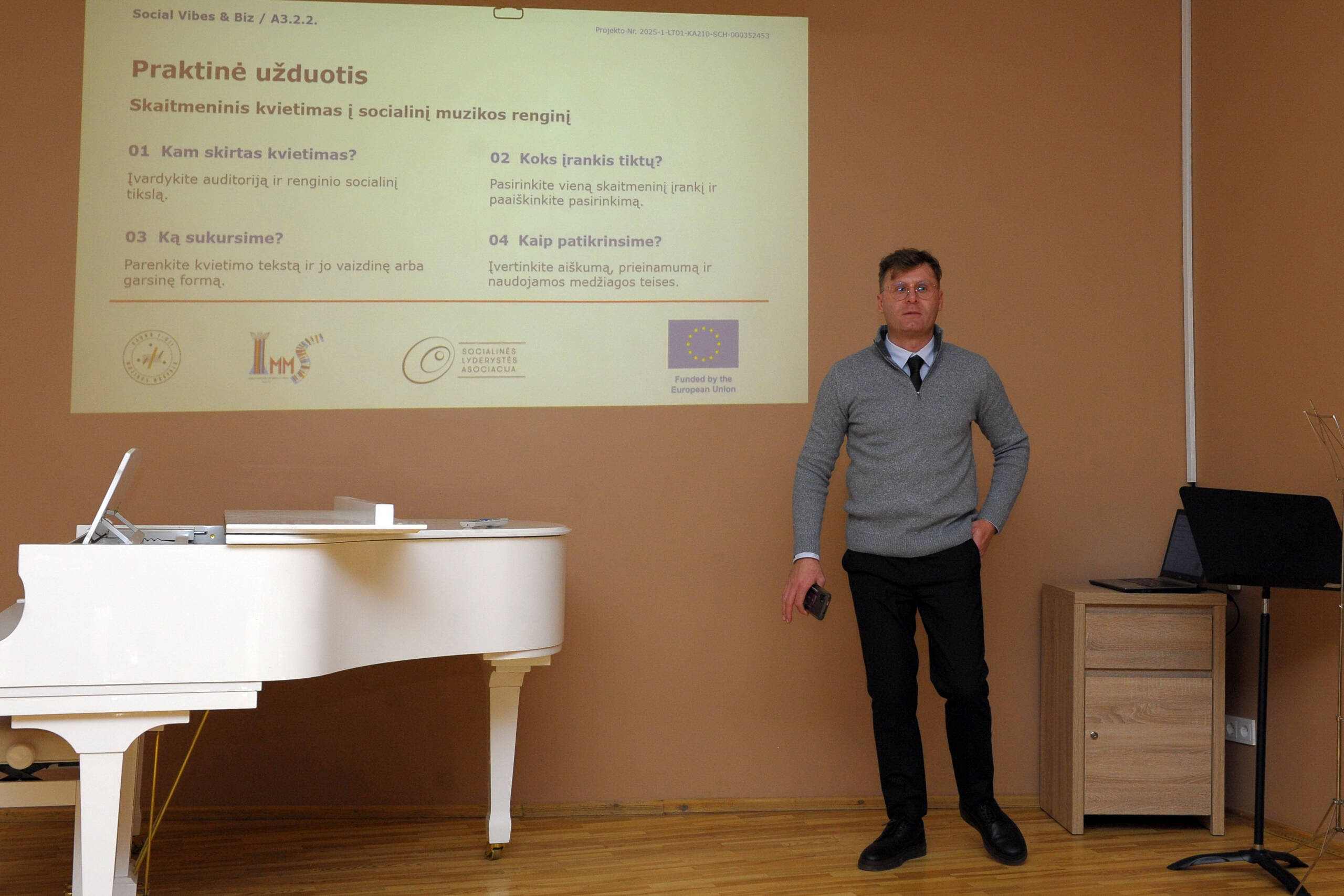
The pupils applied what they had learnt by creating a digital invitation to a music event with a social purpose. They first identified the audience and the event’s social aim. They then chose a tool, drafted the invitation and considered how to complement it with visuals or sound. Each group’s decision depended on where the invitation would be published and the best way to reach the people it was intended for. As they discussed their invitations, the pupils checked whether it was clear who was invited, what would happen and how people could take part. In doing so, they learnt to explain why they had chosen a particular technology and how it helped them present their musical idea to the community. They can draw on this experience when developing their business models and working out how participants or potential clients will hear about the proposed activity.

Photos: Janė Macevičienė, expert accordion teacher
Prepared by: Dr Domantas Milius, expert piano teacher
ERASMUS+ KA210-SCH project “Social Vibes & Biz: music, technologies and social entrepreneurship”.
WP3 Piloting Cultural-Social Entrepreneurship Education.
A3.2.2 Lectures on the use of ICT in business.


